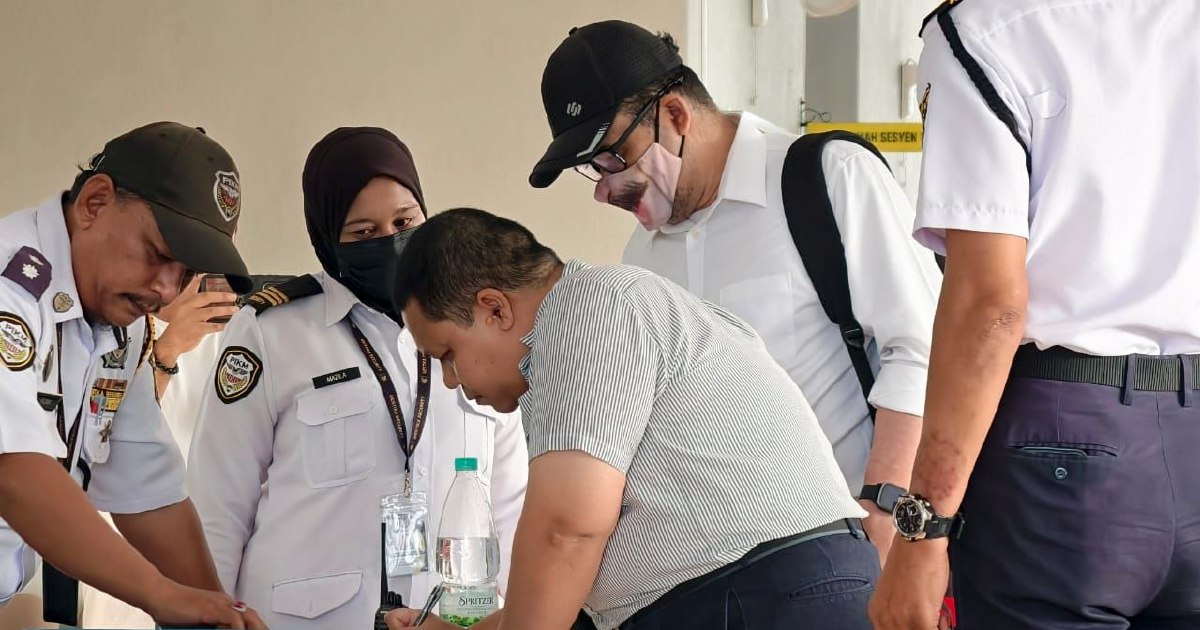
A preschool educator in Seremban appeared before the Sessions Court today, facing two separate charges of committing physical sexual assault against a young male pupil, aged eight, during an alleged incident that occurred in April. The charges represent a significant development in ongoing efforts to protect vulnerable children within Malaysia's early childhood education system.
The case marks another concerning instance of alleged misconduct within the preschool sector, an area that has increasingly come under scrutiny from child welfare advocates and parents seeking greater transparency and accountability measures. Educational institutions serving young children operate under particular responsibility to maintain safe environments, yet incidents involving educators who allegedly cross professional and ethical boundaries continue to surface across the country.
Malaysia's preschool sector encompasses hundreds of facilities nationwide, ranging from government-funded centres to private institutions. The vast majority of educators perform their duties with integrity, yet the absence of comprehensive background checks and standardised monitoring systems in some facilities has raised questions about oversight mechanisms. This case underscores the ongoing tension between expanding access to early childhood education and maintaining rigorous safeguarding protocols.
The Seremban Sessions Court proceeding reflects the formal judicial response to such allegations. Once charges are filed, the accused enters the formal criminal justice system where evidence is examined and legal arguments are presented. The two-count charge framework suggests that prosecutors have identified specific incidents or circumstances they believe constitute separate offences under Malaysian law.
Parents and guardians throughout Malaysia have become increasingly vigilant about their children's welfare in educational settings following several high-profile cases. The responsibility of institutions to communicate transparently with families when concerns emerge has become a central issue in public discourse surrounding child protection. Trust between schools and parents forms the foundation of safe learning environments, and breaches of that trust generate lasting repercussions for institutional credibility.
The age of the alleged victim, at eight years old, places him within the primary school years in Malaysia's education system, though the alleged assault reportedly occurred while under preschool supervision. Young children require enhanced protection and support systems, and trained educators must recognise behavioural changes or disclosures that may indicate abuse. Schools increasingly implement reporting protocols requiring staff to promptly notify authorities when safeguarding concerns emerge.
Legal procedures in sexual assault cases involving minors typically prioritise protecting the child's identity and wellbeing throughout proceedings. Malaysian courts have established protocols designed to minimise trauma to young witnesses, including the use of recorded statements and specialised court arrangements. These procedural protections acknowledge the particular vulnerability of child complainants in criminal proceedings.
The charges being pursued through the Sessions Court indicate that authorities believe sufficient evidence exists to proceed to trial. The Malaysian legal framework provides accused individuals with the right to present their defence and challenge evidence presented by prosecution. Due process ensures that guilt must be established beyond reasonable doubt before conviction, a fundamental principle protecting both the accused and public confidence in the justice system.
Beyond the immediate legal proceedings, this case is likely to reinvigorate discussions among education officials, parents, and policymakers regarding institutional safeguarding standards. Several states have begun implementing enhanced vetting procedures for preschool staff, including criminal background checks and psychological evaluations. However, inconsistent implementation across different jurisdictions means that protection levels vary considerably for Malaysian children depending on where they attend school.
Education Ministry officials have periodically emphasised commitment to child safety, yet advocates argue that policy frameworks require strengthening. Mandatory training in recognising and reporting abuse, regular safety audits, and accessible complaint mechanisms for parents represent areas where improvements could enhance protection. The traumatic impact of institutional abuse extends beyond immediate victims, affecting entire school communities and families' faith in educational systems.
The preschool sector's expansion throughout Malaysia reflects growing parental workforce participation and evolving family structures. This expansion has created increased demand for childcare services, yet quality and safety standards have not universally kept pace with growth. Some private facilities operate with minimal regulatory oversight, creating potential vulnerabilities that criminal actors may exploit.
As the case proceeds through the judicial system, attention will focus on evidence presentation and legal arguments surrounding the allegations. The outcome will contribute to jurisprudence surrounding child protection offences and may influence how similar cases are prosecuted nationally. Beyond legal determination, the proceedings underscore society's evolving expectations regarding institutional accountability and child welfare prioritisation.
The incident serves as a stark reminder that protecting Malaysia's youngest citizens requires sustained commitment across multiple fronts—comprehensive legislation, rigorous institutional monitoring, professional accountability, and parental vigilance. Educational facilities must maintain cultures where safeguarding concerns are treated with utmost seriousness, where reporting mechanisms are accessible, and where children's voices are believed and protected.

