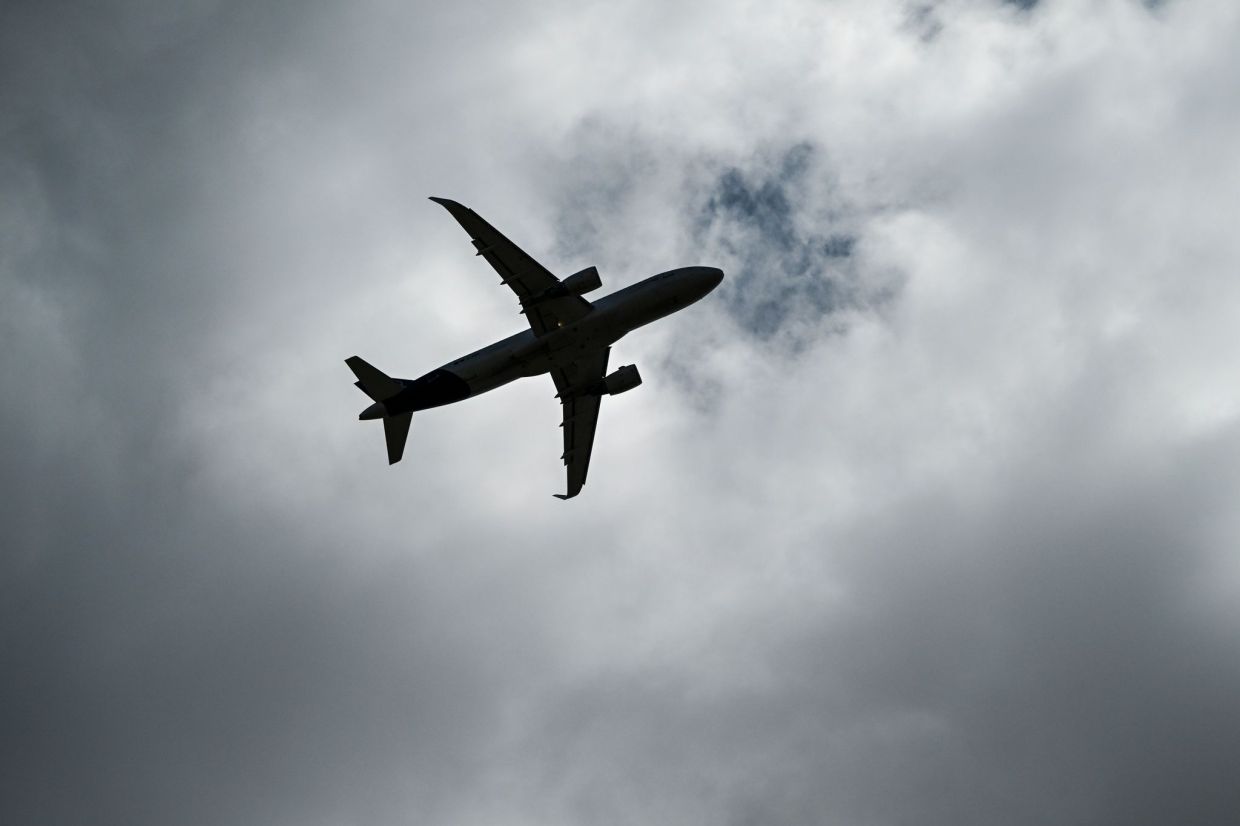
A Swiss International Air Lines aircraft carrying 206 passengers was forced to alter its route across the Atlantic after an onboard power bank began emitting smoke, necessitating an urgent landing in Dublin. The flight, originally scheduled to arrive in Boston, triggered an emergency signal to secure priority at Dublin airport, though aviation authorities distinguish this from a full emergency landing. The incident marks the second time in as many weeks that Lufthansa Group airlines have experienced problems linked to portable electronic charging devices, underscoring growing safety concerns about how passengers manage battery-powered gadgets during flight.
Following the disruption, all affected passengers were accommodated in hotels while Lufthansa arranged alternative transportation to their final destinations. The airline's rapid response and coordination with ground services prevented any injuries, though the diversion caused significant schedule disruptions and inconvenience to travellers. The handling of the incident reflects established protocols for managing mid-flight safety threats, where swift action takes precedence over maintaining on-time schedules.
Just weeks before this Dublin incident, another Swiss flight operating on the Zurich-to-New York route made an unscheduled stop in Bangor, Maine, after smoke materialised inside the cabin. That earlier episode stemmed from a charging case designed for wireless earphones that had slipped between aircraft seats. Once wedged in that confined space, the case sustained damage that triggered the fire, illustrating how even small electronic accessories pose hazards when they are damaged or positioned in unsuitable locations during flight.
In response to these recurring incidents, Lufthansa has instituted comprehensive restrictions on power banks across its entire airline group, regulations that took effect in early 2026. The new framework explicitly prohibits passengers from using or charging power banks while airborne on any Lufthansa Group carrier. Each traveller is restricted to carrying a maximum of two power banks in their carry-on luggage, reflecting a calculated balance between passenger convenience and flight safety.
The airline has established strict guidelines governing where power banks must be stored during flight. Acceptable locations are limited to the seat pocket directly in front of the passenger, on the passenger's person, or within carry-on bags stowed beneath seats. Critically, power banks are prohibited entirely from checked baggage and from the overhead compartment bins. This delineation is rooted in the practical reality that checked luggage and overhead storage areas cannot be readily monitored during flight, whereas items kept in seat pockets or on passengers remain visible and accessible to crew members.
Lufthansa emphasises that these restrictions carry particular weight for devices with capacities between 100 watt-hours and 160 watt-hours, which require advance airline authorisation before boarding. The capacity thresholds reflect scientific understanding of lithium-ion battery behaviour; larger batteries store more energy and consequently generate more intense heat if they short circuit or are damaged. Medical devices that have received formal approval remain exempt from these restrictions, acknowledging that some passengers depend on battery-powered equipment for health reasons.
The airline notes that its regulatory framework aligns with guidance issued by multiple international aviation authorities, lending credibility to the restrictions. Similar rules now govern e-cigarettes, whose batteries have similarly produced cabin smoke incidents across global airlines in recent years. This regulatory convergence suggests that aviation safety bodies worldwide have reached consensus on the genuine hazard presented by portable lithium-ion batteries when stored improperly or damaged.
For Malaysian travellers and those throughout Southeast Asia planning transatlantic journeys via European carriers, these regulations carry direct relevance. Many passengers routinely pack power banks to keep smartphones and tablets charged during long-haul flights, viewing them as essential travel companions. However, the new Lufthansa rules mean that such devices must be carefully packed in carry-on luggage rather than checked, and passengers must refrain from charging them during flight despite having access to power banks throughout their journey.
The implications extend beyond Lufthansa. Other major carriers have implemented or are considering comparable restrictions, meaning that electronic device policies are becoming increasingly stringent across international aviation. Passengers booking flights with European carriers should verify specific power bank policies before departure, as regulations vary by airline and may differ from what individuals encountered on previous journeys.
Aviation safety officials stress that lithium-ion battery incidents, while statistically rare, pose genuine risks because aircraft cabins are pressurised spaces where fires cannot be easily contained or evacuated. A battery fire occurring at cruise altitude, where cabin depressurisation could harm passengers, presents far greater danger than equivalent incidents on the ground. This fundamental constraint explains why aviation authorities treat battery storage with such seriousness.
For business travellers and digital professionals accustomed to carrying multiple charged devices, the restrictions necessitate behavioural adjustment. Passengers must arrive at airports with power banks already charged, ensure they remain topped up before boarding, and accept that they cannot replenish battery levels during flight. Airlines permit only two power banks per passenger, so those needing to charge multiple devices may require advance planning or acceptance of reduced device availability during long journeys.
The two incidents within two weeks have illuminated a gap between passenger awareness and regulatory reality. Many travellers remain unaware of specific power bank restrictions or believe that such devices can be safely stored anywhere in carry-on luggage. The Dublin and Bangor incidents serve as stark reminders that regulatory compliance prevents costly diversions, schedule disruptions, and potential safety emergencies. Lufthansa and peer airlines continue emphasising that passengers should thoroughly review airline policies before packing, treating such due diligence as essential preparation equivalent to verifying visa requirements or baggage allowance limits.

