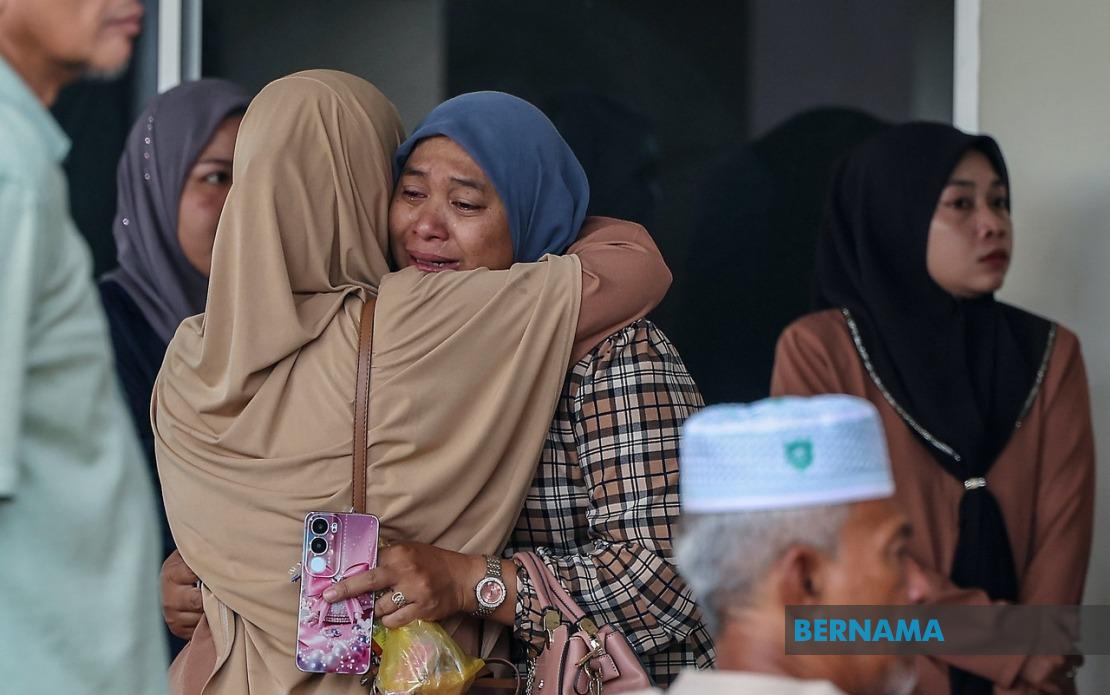
The body of Corporal Norazmi Abu Bakar will undergo post-mortem examination tonight at Sultanah Bahiyah Hospital in Alor Setar, following his death during a grenade-throwing training accident at Hobart Camp in Gurun. The 6th Battalion Royal Malay Regiment member was one of two soldiers who perished in the fatal incident that occurred during a combat enhancement exercise earlier today. His family has already begun the process of preparing for final arrangements, with plans confirmed for his remains to be transported to Merbok in Sungai Petani following completion of the medical examination.
Confirmation of the post-mortem schedule came from the deceased's cousin, Sulaiman Mat Saad, who was present at the hospital's forensic department. Sulaiman explained that the examination would proceed once the formal identification process had been completed, a standard procedure in such circumstances. The soldier's body will subsequently be moved to Masjid Al Busyra in Merbok, where funeral arrangements will be conducted according to Islamic rites, with burial taking place in the mosque's cemetery.
The tragic incident unfolded during the morning of what was intended to be a routine training exercise designed to enhance combat capabilities within the regiment. At approximately 10.57 am, an explosion occurred during the grenade-throwing component of the Royal Engineers Regiment Combat Enhancement training programme. The circumstances surrounding the blast remain under investigation, though military authorities have confirmed the exercise's direct connection to the fatalities.
Corporal Norazmi's death represents a sobering reminder of the inherent risks personnel face during weapons and explosives training, even under controlled conditions and with proper safety protocols in place. The Royal Malay Regiment, a foundational unit within Malaysia's ground forces, conducts such training exercises regularly to maintain operational readiness and ensure soldiers possess the necessary skills for their roles. The explosion, however, demonstrates how quickly safety situations can deteriorate despite established procedures.
Paramediacs transported both casualties to Sultan Abdul Halim Hospital in Sungai Petani immediately following the explosion, though both soldiers were pronounced dead before arrival. The rapid response of medical personnel and the hospital's trauma facilities could not reverse the severity of injuries sustained in the blast. Subsequently, both bodies were transferred to Sultanah Bahiyah Hospital for forensic examination and post-mortem procedures.
The second fatality involved Private Siti Khadijah Sungip, also a member of the Royal Engineers Regiment's First Squadron. Her remains are expected to be returned to her hometown in Johor state following completion of medical examinations. The loss of a female soldier in active training represents a further dimension to this tragedy, highlighting that service-related risks affect all personnel regardless of gender or rank.
The Royal Malay Regiment and Royal Engineers Regiment, both integral components of the Malaysian Armed Forces, will likely conduct thorough reviews of training protocols and safety measures in the wake of this incident. Such reviews are standard practice following fatalities during military exercises, with findings typically informing updated safety guidelines and revised training procedures. The broader armed forces community will be monitoring developments closely, as lessons learned from this incident could influence how similar training programmes are conducted throughout the military establishment.
For Malaysian military personnel and their families, training accidents of this nature raise important questions about risk management and safety culture within the forces. While some level of risk is inherent in military service, particularly when working with explosives and weapons systems, continuous improvement in safety protocols remains essential. The incident also underscores the sacrifices made by service members who accept significant personal dangers as part of their professional obligations.
The local community in Kedah, particularly in Gurun and Sungai Petani where the incident occurred and hospital facilities were utilised, will likely offer condolences to the families of both fallen soldiers. Hobart Camp and its training facilities serve as important infrastructure for the armed forces' combat preparation programmes, and this incident will inevitably influence how the base approaches future training schedules and safety enforcement.
As investigations proceed and families mourn the loss of their loved ones, the focus now shifts to understanding precisely what circumstances led to the explosion and whether existing safety measures require strengthening or modification. The post-mortem findings may provide crucial information regarding the nature and extent of injuries, potentially offering insights that could inform safety improvements. Military leadership will face pressure to ensure that all necessary lessons are extracted from this tragedy to prevent similar incidents in the future.