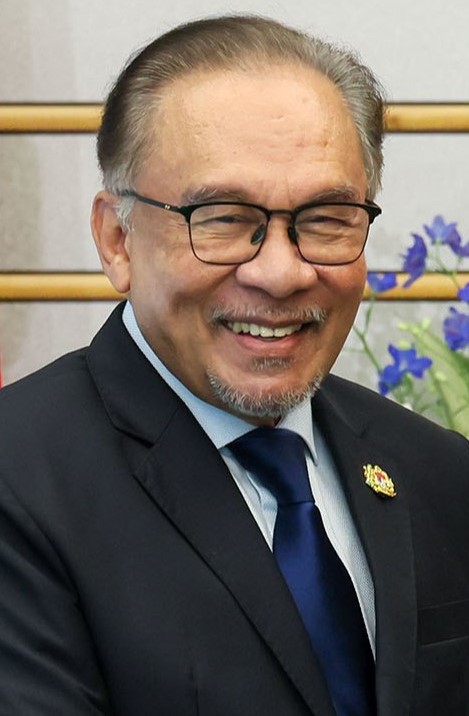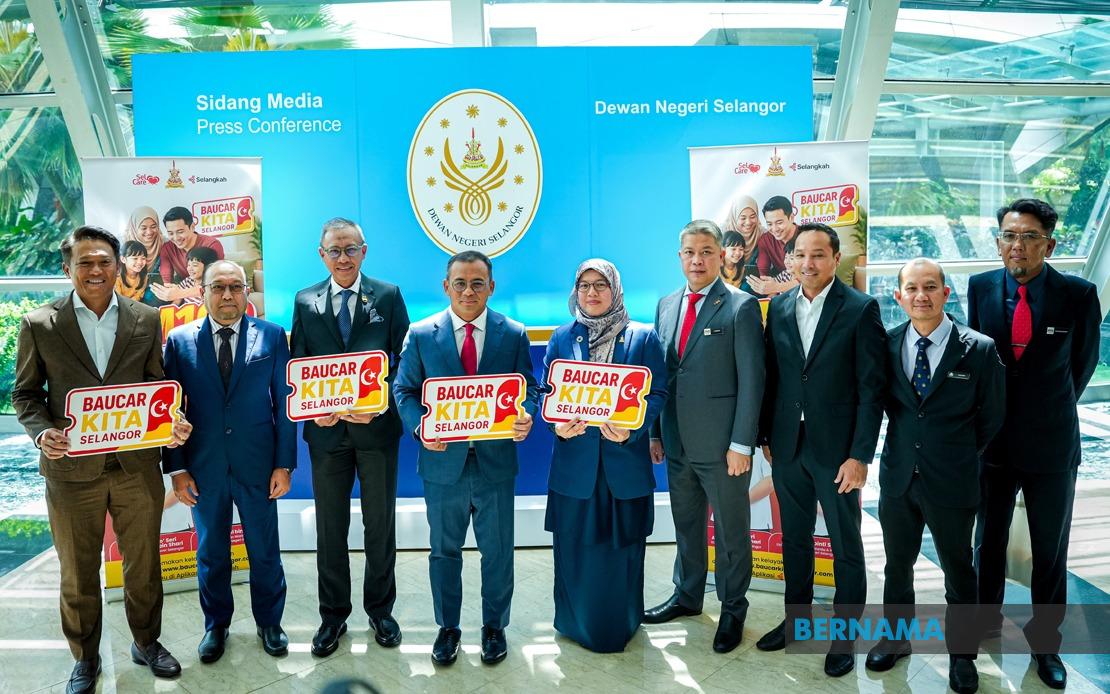
The Selangor state government has declared itself ready to proceed with developing Port Klang's third terminal on Pulau Carey, having completed all necessary land arrangements as far back as December of the previous year. Menteri Besar Datuk Seri Amirudin Shari outlined the scope of the secured land portfolio, which comprises approximately 1,012 hectares of seabed designated for the terminal, coupled with 688 hectares held under Yayasan Selangor and an additional 86 hectares available for immediate development. This consolidation of terrestrial and maritime real estate represents the groundwork required to transform Pulau Carey into Southeast Asia's newest deep-water container facility.
From the perspective of state-level governance, Amirudin emphasised that Selangor's obligations regarding land provision have been thoroughly discharged. The state authority signalled its willingness to initiate construction activities immediately upon receiving the necessary federal endorsements, a stance maintained consistently since the beginning of this year. The Port Klang Authority has already completed investigative studies to demarcate the precise location of the future terminal, establishing a technical foundation upon which the broader development framework rests. Concurrently, the Selangor State Development Corporation, commonly known as PKNS, has begun preliminary discussions with relevant private-sector stakeholders regarding the implementation phase of the infrastructure programme.
Despite these preparatory achievements, the third terminal initiative confronts a substantial regulatory roadblock emanating from the federal government. Site preparation activities have reached completion, yet the actual execution of construction remains suspended pending ministerial determination on several interconnected governance questions. The fundamental obstacle centres on jurisdictional authority and operational ownership of the port facility itself—questions that fall squarely within the Transport Ministry's purview. This administrative impasse reflects deeper uncertainties about whether the terminal should be developed, financed, and controlled by federal entities or whether private-sector participation can be accommodated within Malaysia's port governance framework.
The legal complexities underlying this delay stem from an official opinion that has circulated through governmental channels, stipulating that maritime port operations must remain under federal ownership and cannot be structured as privately-controlled commercial enterprises. This interpretive constraint fundamentally reshapes how the third terminal project might be configured. Should the Transport Ministry uphold this position, the state government would need to negotiate either a complete federal takeover of the initiative or seek specific exemptions that would enable private development under a carefully delineated concession arrangement. The distinction between these pathways carries profound implications for project financing, timeline, and operational management.
Amirudin expressed the state's anticipatory stance regarding federal decision-making, indicating that Selangor awaits clarification on whether the national government intends to assume direct responsibility for the port development or whether it will permit construction to commence under alternative ownership structures sanctioned through formal ministerial approval. This contingency-based approach reflects the practical reality that a state government cannot unilaterally override federal port jurisdiction legislation, regardless of its preparedness to facilitate land provision. The menteri besar underscored the temporal urgency inherent in the project, noting that the terminal's unique construction methodology—relying on seabed reclamation rather than conventional terrestrial development—necessitates expeditious commencement to manage costs and maintain international competitiveness.
The engineering dimension of the third terminal warrants particular attention for Malaysian stakeholders. Unlike conventional port expansion projects that build upon existing land masses, this Pulau Carey initiative requires substantial land reclamation operations to create the physical platform upon which container handling infrastructure will be erected. This methodological distinction introduces additional technical, environmental, and budgetary considerations that factor into the federal deliberation process. The reclamation approach demands sustained capital investment in dredging operations, marine engineering expertise, and environmental mitigation measures—considerations that may influence whether federal authorities prefer centralised control over the project or whether they view private-sector participation as advantageous.
Transport Minister Anthony Loke Siew Fook recently signalled that his ministry is engaged in tripartite discussions involving federal officials, Selangor state administrators, and private commercial entities to devise a workable concession framework for the first phase of terminal development. This multilateral engagement suggests that the federal government has not entirely closed the door on non-traditional ownership structures, though significant legal and policy frameworks require realignment before such arrangements could be formalised. The minister's invocation of a concession model indicates receptiveness to public-private partnership approaches, potentially offering an avenue through which private capital and expertise could be mobilised whilst maintaining nominal federal sovereignty over the port asset.
For Malaysian port stakeholders and the broader shipping industry, the third terminal's eventual commissioning represents a strategic imperative. Port Klang currently operates as Southeast Asia's busiest container facility, yet capacity constraints increasingly threaten Malaysia's competitiveness in global maritime trade. The addition of a modern, deep-water terminal capable of accommodating contemporary mega-container vessels would substantially enhance the nation's transshipment capacity and attract international shipping lines seeking reliable Southeast Asian ports. Consequently, the federal government's delay in clarifying the project's structural parameters carries opportunity costs that extend beyond the port itself to encompass broader economic competitiveness within the region.
The investment climate implications of this administrative uncertainty merit consideration for international project finance institutions and foreign port operators evaluating Malaysian infrastructure opportunities. Extended delays in federal decision-making create ambiguity regarding project viability, completion timelines, and return-on-investment parameters—factors that deter capital commitments in infrastructure sectors where patient, long-horizon financing is prerequisite. Should the federal government continue deliberating the ownership and concession questions without issuing definitive guidance, the third terminal initiative risks being displaced by competing port development projects in adjacent countries, particularly within Thailand and Singapore, where regulatory certainty and streamlined approval processes facilitate faster execution.
The seabed reclamation methodology underpinning the third terminal design also carries environmental considerations that intersect with federal decision-making processes. Marine ecosystem impacts, coastal zone management compliance, and environmental impact assessments constitute additional approval layers beyond the ownership and jurisdiction questions already outlined. These environmental determinations may partially explain the federal government's deliberative pace, as Transport Ministry officials potentially coordinate with environmental regulators to ensure that concession terms or federal management frameworks incorporate appropriate marine conservation safeguards.
Regionally, the third terminal's development status resonates beyond Malaysia's borders, particularly for shipping lines and logistics operators throughout Southeast Asia who view Port Klang as a critical nodal point in Asian maritime trade networks. Vietnamese, Thai, and Indonesian stakeholders monitoring the terminal's progression are likely assessing whether Port Klang will maintain its competitive advantages or whether regulatory constraints might create opportunities for rival ports to capture market share. The federal government's resolution of the ownership and jurisdiction questions will therefore partially determine Malaysia's future standing within regional port hierarchies.