A fatal traffic incident in Hyderabad has triggered political controversy after the son of a Jana Sena Party Member of Parliament was granted station bail in connection with a collision that claimed the life of a 26-year-old retail worker. Lingamaneni Sanjush, who police say was driving an Aston Martin on August 16, has been released following his apprehension on the same day as the crash outside Inorbit Mall in the city's Madhapur district.
The victim, Bharati Mukhi, was employed at a Lifestyle store within the shopping centre. According to the police account of events, Bharati and her colleague Pooja Ashok had left the mall around 3pm to collect meals from a nearby ITC Kohenur outlet. As they attempted to cross the road upon their return, Bharati was struck by the vehicle being driven at what authorities describe as excessive speed in a rash and negligent manner. The impact resulted in severe head injuries, and she was rushed to Apollo Hospital in Jubilee Hills, where doctors pronounced her dead.
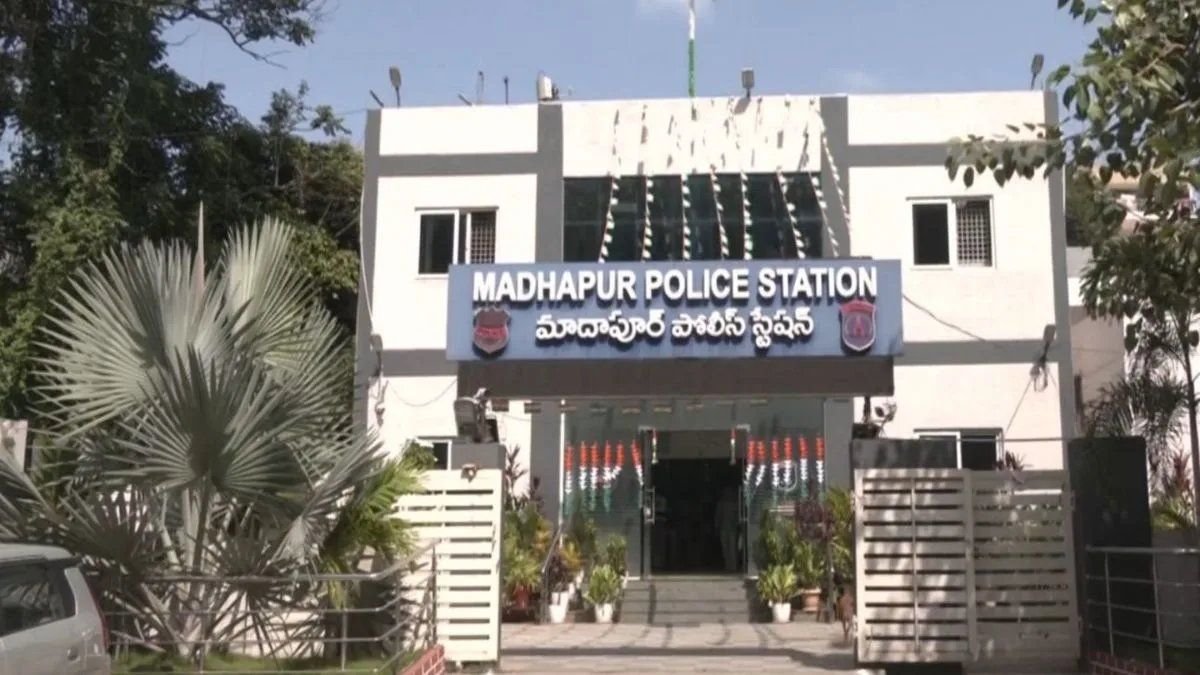
The Madhapur Police Station registered a formal case under Section 106(1) of the Bharatiya Nyaya Sanhita, which addresses causing death by act endangering human life or personal safety. Investigators confirmed that Sanjush, aged 21 according to police records, was identified as the driver and taken into custody. As part of the investigation protocol, he underwent both drunk-driving and drug testing, with blood samples collected and forwarded to the Forensic Science Laboratory for toxicological analysis. Police have also impounded the vehicle involved in the collision.
Sanjush was served a notice under Section 35(3) of the Bharatiya Nagarik Suraksha Sanhita during the investigation process before being released on station bail. A police official from Madhapur confirmed these procedural steps, noting that the bail was granted as part of ongoing investigative work. The forensic report and Post-Mortem Examination findings remain pending as authorities continue their examination of the circumstances surrounding the incident.
The case has swiftly escalated into a political controversy that extends beyond the criminal investigation itself. The opposition YSRCP party has seized upon the incident to make broader allegations about judicial and investigative impartiality. Karthik Yellapragada, serving as the YSRCP's national spokesperson, contested what he characterised as the low public profile of the matter, claiming that five days passed without significant media coverage or official commentary. He suggested this restraint reflected deliberate suppression rather than standard procedure.
Yellapragada's critique focused on allegations of preferential treatment based on political connections. He invoked the names of Telangana Chief Minister Revanth Reddy and Andhra Pradesh Chief Minister Chandrababu Naidu, implying an understanding between them that facilitated what he described as a cover-up. His statement asserted that the accused benefited from dual standards in the application of justice, a claim that carries particular weight in an Indian political context where connections between regional governments and investigative agencies have historically been scrutinised.
The YSRCP spokesperson's intervention reflects a broader pattern in Indian politics whereby criminal cases involving the relatives of ruling coalition members become flashpoints for opposition criticism. By linking the case to interstate political dynamics between Telangana and Andhra Pradesh, Yellapragada attempted to frame the incident as symptomatic of systemic dysfunction rather than an isolated tragedy. His demand for "immediate justice" and questioning of whether identical standards would apply to accused persons without political patronage channels familiar grievances about differential enforcement within the Indian legal system.
For Malaysian and Southeast Asian observers, this case illustrates tensions common across the region regarding the intersection of wealth, political power, and criminal accountability. The involvement of an expensive luxury vehicle, a shopping mall setting, and the accused's family connections to parliament mirrors similar high-profile incidents that have sparked public debate in multiple jurisdictions about whether justice operates uniformly. The granting of station bail—a procedure permitting conditional release from a police station rather than requiring court intervention—has become a particular flashpoint in Indian discourse regarding procedural fairness.
The Post-Mortem Examination report and forensic findings will likely prove decisive in determining what charges proceed against Sanjush and what evidence substantiates or contradicts the allegations of excessive speed and negligent driving. However, regardless of technical investigative outcomes, the political dimensions have already crystallised. Opposition parties will monitor how thoroughly the case is prosecuted, interpreting any perceived leniency as confirmation of their allegations, while the ruling coalition will point to the registration of formal charges and continuation of investigation as evidence of impartiality.
The case has also exposed what some observers view as a gap in how significant traffic fatalities receive media attention when they involve politically connected individuals. The five-day lag in prominent coverage that Yellapragada highlighted suggests that initial incident reporting may have been muted compared to scenarios involving ordinary citizens. This pattern, whether deliberate or reflective of ingrained institutional practices, contributes to perceptions of selective accountability that undermine public confidence in investigative processes.
Bharati Mukhi's death represents a tragedy for her family and colleagues, but the incident has transcended personal loss to become a vehicle for broader political contestation about governance, impartiality, and the rule of law. As the investigation proceeds toward potential prosecution and sentencing, the political lens through which this case is viewed will likely intensify scrutiny of every procedural decision and evidentiary development, making it nearly impossible to separate questions of criminal responsibility from arguments about systemic integrity.

