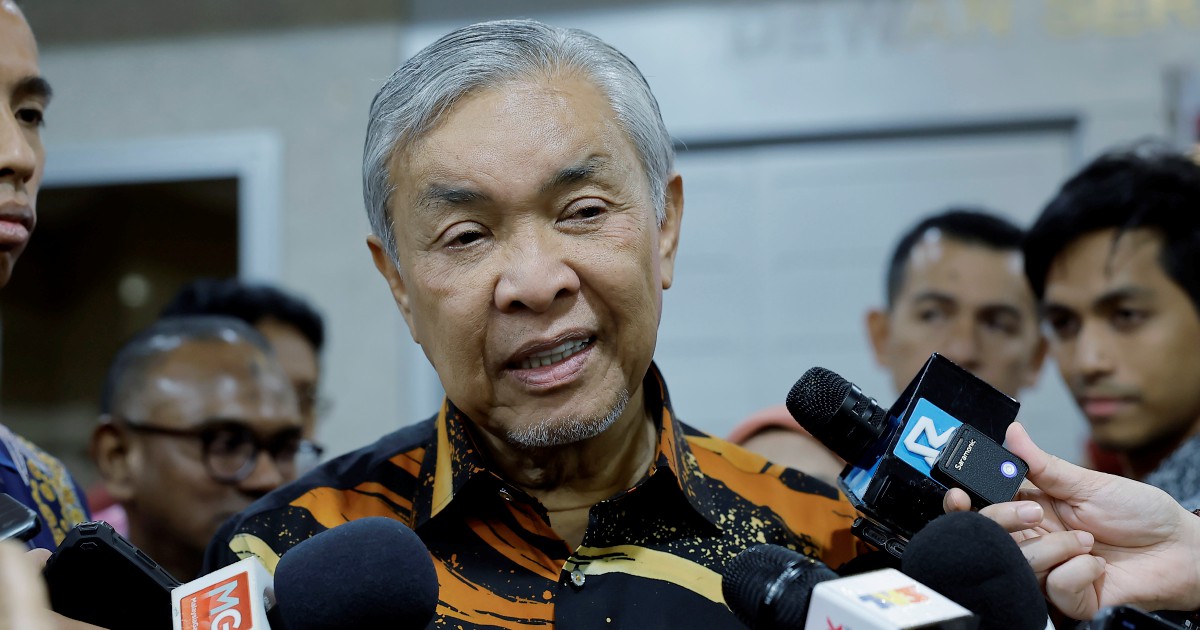
Barisan Nasional chairman Datuk Seri Dr Ahmad Zahid Hamidi has firmly rejected suggestions that outside forces played a role in determining who would become Negri Sembilan's next Menteri Besar, framing the criticism as emanating from those unfamiliar with how coalition politics actually operate within Malaysia's constitutional framework. Speaking in Putrajaya, Zahid characterized such allegations as disconnected from practical political understanding, suggesting that questioning the appointment process reflected a fundamental misunderstanding of how major coalitions manage leadership transitions across their constituent states.
The comments come at a time when Malaysia's political landscape continues to demonstrate the complex interplay between federal-level decision-making and state-level governance structures. The Negri Sembilan Menteri Besar position carries significance beyond its immediate state administration, as the state has proven strategically important in several federal political calculations and coalition management efforts. Zahid's defence of the appointment process underscores how sensitive such transitions remain within BN circles, particularly given the coalition's need to maintain internal cohesion amid ongoing discussions about power-sharing arrangements.
Criticism of the appointment procedure had surfaced within political circles, with observers questioning whether the selection reflected genuine consensus among stakeholders or whether it represented an outcome driven by considerations extending beyond the state's immediate political structures. Such concerns touch on broader debates about autonomy within BN's state chapters and the degree to which federal leadership influences outcomes that technically fall within state party organizations' purview. The controversy highlights enduring tensions between centralized coalition management and the expectation of local autonomy that state-based political actors increasingly emphasize.
Zahid's dismissal of interference allegations represents a standard defensive posture when coalition leadership faces scrutiny over appointment processes. However, the persistence of such questions suggests that transparency remains an ongoing challenge for BN, particularly regarding how decisions get made at critical junctures in state politics. The coalition's ability to present unified narratives about its internal processes has varied considerably, and Negri Sembilan's situation appears to exemplify continuing difficulties in this area.
From a broader Southeast Asian perspective, Malaysia's coalition dynamics reflect patterns common across the region's multi-party democracies, where large political alliances must constantly negotiate between preserving overall unity and accommodating constituent parties' legitimate autonomy. BN's management of such tensions has historically been more centralized than some competing coalitions, which can generate friction when state-level actors feel bypassed or when federal considerations appear to override local preferences. The Negri Sembilan case demonstrates these dynamics remain live issues within Malaysian politics.
The timing of Zahid's remarks suggests BN leadership remains concerned about perceptions of internal cohesion and decision-making fairness within the coalition. For political observers and analysts tracking Malaysia's evolving power structures, such defensive statements often signal that underlying tensions have not fully resolved and that stakeholders across different state and federal levels continue harboring reservations about the final outcome. Zahid's insistence on the legitimacy of the process implies he recognizes the need to convince skeptics within BN itself, not merely external commentators.
Understanding the specific context of Negri Sembilan politics requires appreciation of the state's particular role within BN's overall strategy. The state represents neither BN's strongest nor weakest position, occupying an intermediate position that requires careful management to maintain winning coalitions at both state and federal levels. Leadership transitions in such contexts carry implications extending beyond individual advancement, affecting coalition mathematics and potentially influencing how BN approaches other states' political arrangements.
Zahid's characterization of critics as misunderstanding "political realities" contains implicit acknowledgment that coalition operations involve considerations and processes that may not appear transparent to outside observers. This framing essentially contends that informed political actors understand and accept certain realities about how major coalitions manage internal affairs, with the suggestion that only those unfamiliar with these dynamics would question the Negri Sembilan outcome. Whether this argument proves persuasive likely depends on how closely the actual appointment process aligned with stated principles of transparency and inclusive decision-making.
The episode reflects broader Malaysian political challenges around institutionalizing fair and transparent processes for internal party and coalition decision-making. As voters increasingly demand accountability and clarity about how leadership selections occur, political parties face pressure to demonstrate that merit, consensus, and proper procedures—rather than faction-building or external pressure—drive important appointments. BN's handling of the Negri Sembilan situation will contribute to ongoing perceptions about whether Malaysia's major coalitions can meet these expectations.
Moving forward, the credibility of Zahid's defence rests substantially on whether subsequent developments in Negri Sembilan governance validate the appointment's wisdom and legitimacy. Should the new Menteri Besar govern effectively and consolidate support across relevant stakeholder groups, questions about the appointment process may gradually fade from public discourse. Conversely, continued controversy or signs of underlying discord would reinforce skepticism about the transparency of BN's decision-making procedures, potentially complicating future appointments across other states where similar dynamics might emerge and where coalition cohesion remains essential for electoral success.

