The 16th Negeri Sembilan state election is shaping up as a bruising contest for the peninsula's political establishment, with senior figures from each major coalition finding themselves in surprisingly competitive battles that offer no guarantee of victory. The nomination process concluded on July 18, officially launching the campaign period and crystallising the scale of the challenge facing party hierarchies in one of Malaysia's most politically volatile states.
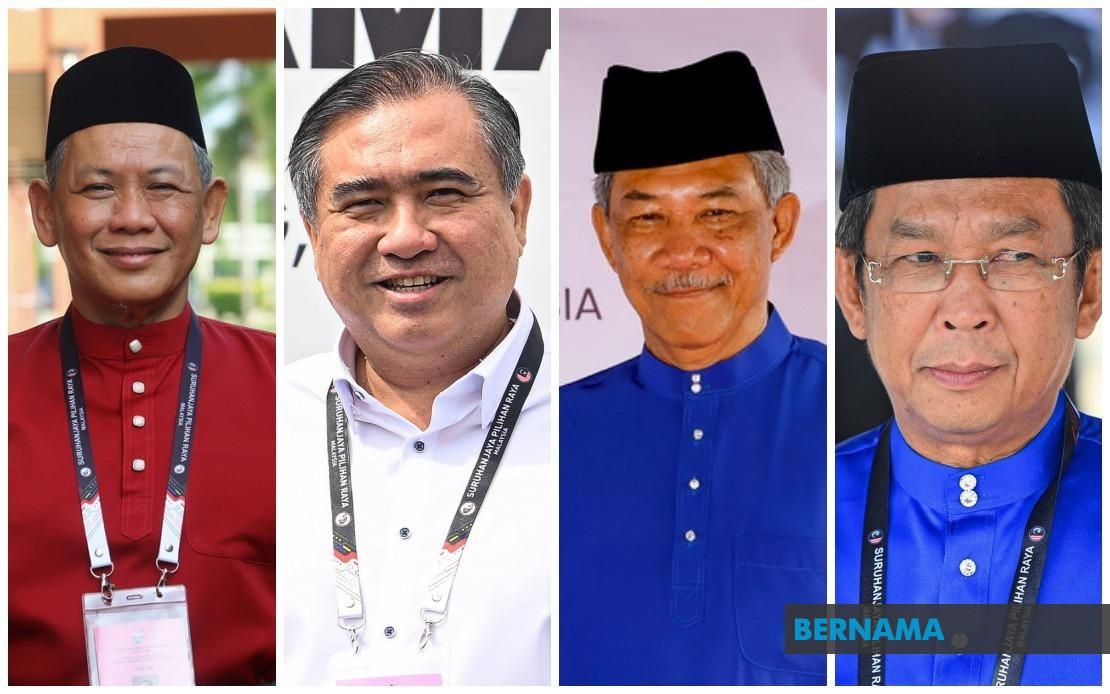
Catering Menteri Besar Datuk Seri Aminuddin Harun, who simultaneously holds the position of Pakatan Harapan chairman and PKR vice-president, finds himself caught in a three-way contest in the Linggi constituency. His challengers include the incumbent Datuk Mohd Faizal Ramli representing Barisan Nasional and Bersatu's Datuk Zamri Md Said. The presence of a Bersatu candidate signals the fractious nature of Negeri Sembilan politics, where coalition boundaries remain porous and voter loyalty cannot be taken for granted.
DAP secretary-general Anthony Loke, who also serves as Transport Minister, is defending the Chennah seat against Negeri Sembilan MCA Youth chief Siow Kong Choon. Despite DAP's stronghold in the constituency since 2013, Loke's electoral invulnerability cannot be presumed given the fluidity of state-level contests. The challenge underscores how national ministerial portfolios do not necessarily translate into protected local fiefdoms, particularly when organised opposition parties mount focused campaigns at the grassroots level.
The Rantau contest carries particular symbolic weight given Datuk Seri Mohamad Hasan's seniority within UMNO and his role as BN deputy chairman and Foreign Minister. The 70-year-old incumbent has represented Rantau continuously since 2004 and possesses deep roots in the constituency. Yet he faces a straight fight against PH's Dr Azizul Hakim Mahdi, a significantly younger challenger who embodies generational change. This dynamic reflects broader demographic shifts within the Malaysian electorate and the increasing willingness of voters to consider fresh faces over entrenched incumbents.
Negeri Sembilan UMNO chief Datuk Seri Jalaluddin Alias confronts a three-way contest in Pertang, where he has maintained his seat since 2013. His opponents include Mohd Umry Abdul Khois from Pakatan Harapan and Bersatu's Mohd Faizal Fadli Mohd Idrus. The proliferation of challengers from multiple coalitions fragmented the opposition vote, potentially offering tactical advantages to incumbents, yet Jalaluddin's presence in a competitive race demonstrates how state elections operate on fundamentally different dynamics than national contests.
The Nilai constituency exemplifies the unpredictability facing even well-established political operators. DAP national deputy chairman and sitting representative J. Arul Kumar must navigate a five-cornered battle against Datuk Lai Chien Kong of Barisan Nasional, Datuk V. Saravana Kumar from Bersatu, Berjasa's Zamani Ibrahim, and independent candidate Omar Mohd Isa. The multiplication of contestants reflects both the democratic participation afforded by electoral systems and the fragmentation of the political landscape following recent realignments and party defections.
Sri Tanjung similarly presents a crowded field in which PH incumbent Dr G. Rajassekaran must contend with BN's A. Achutan, independent candidates Saravanan Arumugam and Islah Wahyudi Zainudin, and Bersatu's Leevineshwaraan Murugan. At just 23 years old, Murugan represents the youngest candidate in the entire state election, embodying a generational challenge that transcends traditional party competition. His participation highlights how younger voters increasingly seek representation beyond conventional party structures.
The election encompasses 103 candidates pursuing the 36 state seats available across Negeri Sembilan, reflecting intense competition across multiple constituencies. Pakatan Harapan fields the maximum number of candidates at 36, followed by Barisan Nasional with 25, Bersatu with 24, and Perikatan Nasional with 11. Smaller parties including Berjasa, ASLI, and PSM each contribute one candidate, while four independent candidates further diversify the electoral landscape. This distribution underscores how Negeri Sembilan functions as a genuine three-way battleground rather than a bipolar contest.
The campaign period officially commenced following the conclusion of nominations and will continue until July 31, with early voting scheduled for July 28 and polling day set for August 1. The truncated timeframe demands that campaigns rapidly mobilise voter bases and sustain media presence across multiple channels. For parties accustomed to establishing dominance in particular constituencies, the competitive nature of these contests demands sophisticated targeting and differentiated messaging tailored to local conditions.
Negeri Sembilan's political significance extends beyond its 36 state seats given the state's historical role as a bellwether for national trends. The competitive challenges facing senior political figures across coalitions signal that voter sentiment has shifted measurably since previous election cycles, with electorate increasingly willing to contest incumbency and party orthodoxy. The absence of safe seats even for ministers and party dignitaries suggests that Negeri Sembilan voters prioritise local accountability and issue-based campaigning over national party affiliations and seniority.
For Malaysian politics more broadly, the Negeri Sembilan election provides an early indicator of how recent political realignments have reshuffled voter coalitions and created space for competitive contests in traditionally secure areas. The participation of multiple parties including Bersatu and smaller outfits indicates that the political ecosystem continues evolving, with voters exercising genuine choice rather than defaulting to established patterns. The outcomes in constituencies such as Linggi, Rantau, and Nilai could reshape understanding of electoral dynamics in critical swing states.

