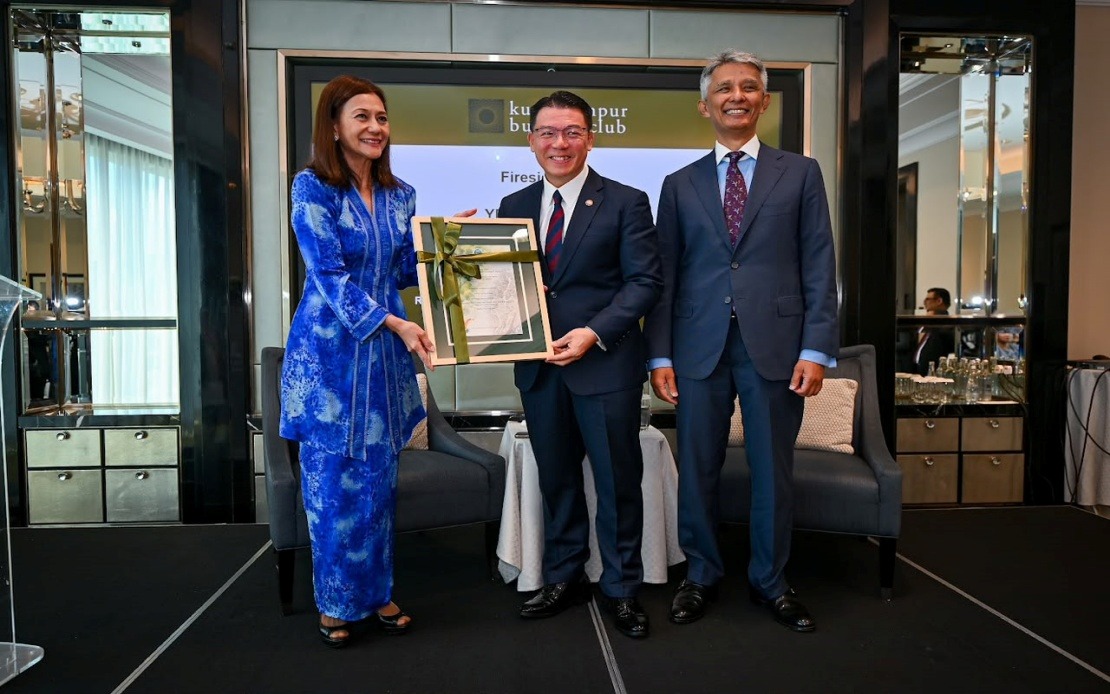
Housing and Local Government Minister Nga Kor Ming has underscored the critical importance of unwavering policy implementation under Malaysia's MADANI framework, arguing that sustained governance consistency forms the backbone of the country's ongoing economic overhaul. Speaking after a Kuala Lumpur Business Club fireside chat yesterday, Nga emphasised that without policy stability, the structural reforms already in motion risk losing momentum and failing to deliver the transformative economic outcomes the government has promised its citizens and the international investment community.
The minister's remarks highlight a persistent challenge facing developing economies in Southeast Asia: maintaining reform trajectories through multiple electoral cycles and potential changes in political leadership. Nga contended that a continuing mandate would furnish the administration with the temporal and political space required to embed systemic institutional changes, deepen economic restructuring initiatives, and fully realise the comprehensive long-term development blueprints currently being executed. This argument resonates particularly within Malaysian business circles, where predictability and governance consistency directly influence capital allocation decisions and long-term investment strategies.
Under the stewardship of Prime Minister Datuk Seri Anwar Ibrahim, the MADANI government has stewarded a range of reform initiatives spanning governance enhancement, improved economic stewardship, and expanded international partnerships. Nga detailed how these combined efforts have generated demonstrable advances in attracting overseas investment, stabilising economic performance during turbulent global conditions, and restoring Malaysia's credibility among international financial institutions and trading partners. The narrative reflects a government keen to position itself as a reliable counterpart for multinational corporations and sovereign wealth funds seeking stable operating environments.
Particularly noteworthy among the administration's accomplishments has been Malaysia's improvement in corruption perception rankings, a metric closely monitored by institutional investors assessing country risk. Enhanced credit ratings from international rating agencies further substantiate the government's claims of improved fiscal management and institutional discipline. These improvements matter considerably for Malaysian corporations seeking to raise capital offshore and for foreign investors evaluating regulatory environments across the region. A positive international perception of governance standards can translate into lower borrowing costs and improved market access for Malaysian businesses.
The government has also pursued an ambitious international engagement strategy yielding substantial commercial outcomes. The RM52.73 billion strategic partnership with Turkmenistan represents a significant infrastructure and energy commitment with long-term revenue implications for Malaysian firms. Concurrently, deepened energy cooperation frameworks with Russia position Malaysia as a strategic player in global energy markets and could diversify the country's trade relationships beyond traditional Western partners. These diplomatic initiatives reflect a calculated effort to expand Malaysia's economic footprint and reduce dependency on any single trading bloc.
Nga's articulation of the MADANI government's achievements serves a dual audience: domestic stakeholders requiring confidence in the government's economic direction, and international observers assessing Malaysia's investment climate. For Malaysian business leaders present at the Kuala Lumpur Business Club session, the minister's statements effectively communicate that institutional reforms will persist and deepen rather than reverse or stagnate. This reassurance is crucial for companies planning capital expenditures, workforce expansion, and market entry strategies premised on sustained policy stability.
The fireside chat itself, themed "Future Cities, Future Growth: How MADANI Reforms Are Reshaping Malaysia's Urban Economy," targeted Malaysia's business and civic leadership to build consensus around urban development and economic transformation agendas. Urban economies drive disproportionate shares of national GDP and employment, making them critical testing grounds for new policies and institutional approaches. The dialogue between government officials and business leaders facilitates the feedback mechanisms necessary for effective policy design and implementation, ensuring that theoretical reform frameworks encounter practical business reality and adapt accordingly.
Consistency in policy implementation carries particular weight in Malaysia's context, where previous administrations have sometimes altered course following electoral transitions. The international business community recalls periods of policy reversals and strategic pivots that undermined investor confidence and created planning uncertainties. By emphasising continuity, the current government signals that it understands these historical lessons and is committed to avoiding repetition. Such messaging carries material implications for foreign direct investment flows and capital market valuations of Malaysian-listed enterprises.
The government's focus on structural economic transformation rather than short-term stimulus measures reflects a sophisticated understanding that Malaysia must compete on innovation, institutional quality, and comparative advantages rather than on low-cost manufacturing alone. Deepening institutional capacity, as Nga articulated, means investing in educational systems, research facilities, digital infrastructure, and regulatory frameworks that enable higher-value economic activities. These transformations require multi-year commitment and political will to navigate transition periods when traditional sectors face adjustment pressures.
For Malaysian readers and policymakers, Nga's emphasis on policy continuity raises important questions about the political consensus supporting these reforms. Sustainable economic transformation typically requires support spanning multiple political parties and civil society sectors, not merely executive government backing. The degree to which Malaysia's opposition parties and civil society organisations align with MADANI reform objectives will ultimately determine whether these initiatives can survive potential future electoral transitions and establish themselves as permanent institutional features rather than temporary initiatives dependent on a single administration's tenure.
The international partnership dimension warrants closer examination regarding long-term sustainability and mutual benefit. While partnerships with Turkmenistan and Russia offer diversification benefits, Malaysian policymakers must carefully balance these emerging relationships against longstanding commitments to Western trading partners and regional neighbours. Energy security, capital flows, and technology transfer arrangements negotiated through these new partnerships will shape Malaysia's competitive positioning over the coming decade, making the quality of negotiation and implementation as important as the headline figures announcing these agreements.
Looking forward, the real test of policy continuity will emerge not from ministerial statements but from observable implementation outcomes across multiple government agencies, regulatory bodies, and institutional frameworks. Investors and business leaders ultimately judge credibility through consistent action and measurable results rather than rhetoric, making sustained delivery on reform commitments far more valuable than additional announcements of strategic intent.