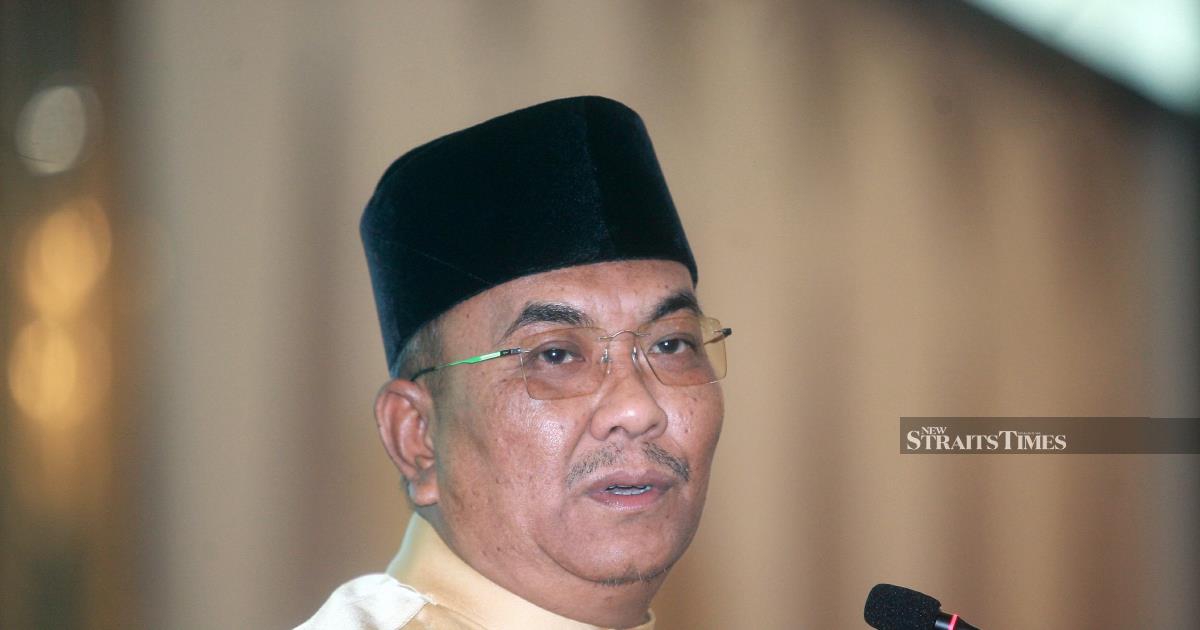
Authorities in Negeri Sembilan have indicated they will conduct formal police interviews with Kedah Menteri Besar Datuk Seri Muhammad Sanusi Md Nor and a senior Umno figure from Rembau following controversial statements made during the state's recent election campaign. The decision to summon both individuals signals heightened scrutiny of election rhetoric in the northeastern state, where campaigning has drawn particular attention from law enforcement.
The move represents a notable escalation in police engagement with high-profile political figures during the electoral process. Such interventions underscore the enforcement mechanisms available to authorities monitoring campaign conduct, particularly when statements cross perceived legal thresholds. The summonses reflect the state's commitment to ensuring campaign activity adheres to established electoral guidelines and relevant legislation.
Muhammad Sanusi, who helms the Kedah state government, commands significant influence within Umno circles and the broader Malaysian political establishment. His involvement in campaigning across state boundaries during the Negeri Sembilan election was intended to bolster party prospects but has now attracted official scrutiny. The Kedah leader's cross-state political engagement illustrates how senior figures maintain active roles in electoral contests beyond their own constituencies, a common practice that occasionally generates controversy.
The Rembau Umno official whose remarks triggered police attention represents another layer in the party's campaign machinery. Rembau, situated within Negeri Sembilan, holds strategic electoral importance, and campaign activity there directly influences the state's overall results. The targeting of a local Umno administrator alongside the Kedah Menteri Besar suggests authorities are examining campaign conduct across hierarchical levels within the party structure.
While specific details regarding the exact nature of the statements remain to be fully clarified, police intervention in campaign speech raises important questions about the boundaries between legitimate political expression and potentially unlawful communication. Malaysia's electoral framework encompasses various regulations governing campaign conduct, including provisions addressing provocative, divisive, or incitement-based rhetoric. Determining where permissible political advocacy ends and prohibited speech begins often involves complex legal and contextual analysis.
For Malaysian politics more broadly, the police summonses highlight enduring tensions between protecting electoral integrity and preserving space for robust political debate. Senior politicians routinely employ forceful language during campaigns, and distinguishing routine partisan rhetoric from genuinely problematic statements involves subjective judgment that observers across the political spectrum frequently contest. The involvement of high-profile figures like Muhammad Sanusi intensifies public interest in how such determinations are made and whether enforcement appears consistent and impartial.
Negeri Sembilan's recent election generated significant political interest across Malaysia, as contests in smaller states often carry implications for national power dynamics and coalition stability. Campaign intensity in such elections frequently matches or exceeds that in larger states, and contentious statements during voting periods sometimes attract regulatory attention. The police action reflects routine post-election review processes, though the involvement of senior figures typically commands wider attention than comparable cases involving lower-profile politicians.
The timing of the police summonses, emerging after campaign activities have concluded, allows authorities to conduct investigations without accusations that enforcement is attempting to suppress ongoing political speech. This sequential approach—investigating statements after voting—represents standard practice, though it occasionally attracts criticism from those suggesting that certain remarks should have triggered real-time intervention. The post-election timing also permits cooling-off periods before formal questioning occurs, potentially reducing immediate partisan tensions.
Umno's role in the Negeri Sembilan campaign merits consideration alongside the broader context of coalition politics in Malaysia. The party's investment in campaign resources across multiple levels of leadership reflects the strategic importance of the state contest. When high-ranking officials from outside the state participate in local campaigns, their involvement typically signals that national party leadership considers the outcome significant for broader political calculations.
From a Southeast Asian perspective, Malaysia's approach to regulating campaign speech reflects patterns observed across the region, where governments balance democratic principles with concerns about electoral stability and social cohesion. The decision to involve police in investigating statements made during campaigns suggests authorities prioritize certain types of speech control, though this approach generates ongoing debate regarding press freedom, political expression, and the appropriate boundaries of state intervention in electoral processes.
The questioning process itself will likely focus on clarifying the precise language used, context in which statements were delivered, and potential legal implications under relevant statutes. Police investigators will need to determine whether the remarks violated specific electoral laws or more general provisions addressing public order and incitement. Such investigations typically involve detailed interviews with the individuals in question, examination of recordings or transcripts of the statements, and consultation with legal specialists regarding applicable regulations.
Moving forward, the outcomes of these investigations may influence how politicians calibrate their campaign messaging in future Negeri Sembilan contests and potentially across other Malaysian state elections. High-profile summonses of senior figures can create a chilling effect on certain types of political speech, while also potentially strengthening public confidence that electoral conduct is subject to consistent legal scrutiny. The cases exemplify ongoing challenges that Malaysian authorities face in maintaining electoral integrity while respecting democratic participation and political freedom.

