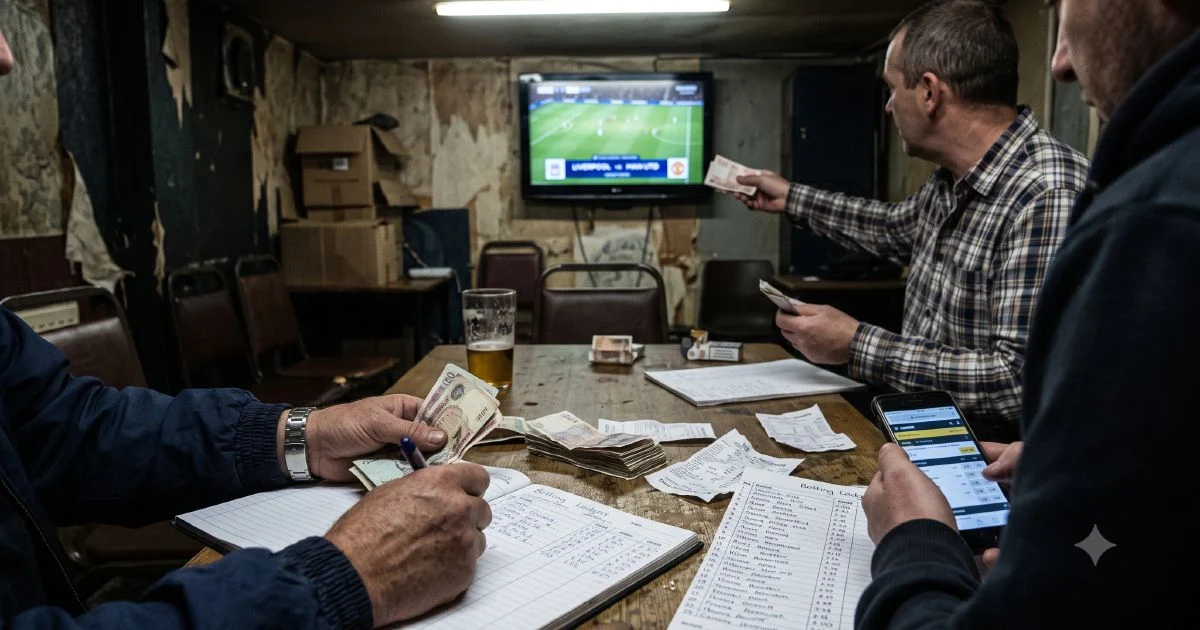
Malaysian police have dealt a significant blow to unlicensed sports betting syndicates, arresting 331 individuals and uncovering illicit wagering worth RM2.63 million during Op Soga XI, a nationwide crackdown targeting underground gambling networks connected to the FIFA World Cup 2026. The operation underscores law enforcement's determination to stamp out illegal gambling activities that circumvent the country's tightly regulated betting framework.
Op Soga XI represents a coordinated enforcement effort spanning multiple states and jurisdictions, reflecting the scale and reach of illegal sports betting in Malaysia. Such coordinated operations typically involve various police units working in tandem, from the Commercial Crime Investigation Department to state-level narcotics and gambling enforcement teams. The breadth of the arrests—331 individuals across what is understood to be a nationwide operation—suggests the problem extends far beyond isolated cases, touching communities across the peninsula and potentially in East Malaysia.
The timing of this operation carries particular significance. With the FIFA World Cup 2026 scheduled to take place in North America, there is already mounting concern among Malaysian authorities that major sporting events trigger surges in illegal gambling activity. Malaysians, like fans across Southeast Asia, demonstrate intense interest in international football tournaments, and this enthusiasm creates fertile ground for unlicensed betting operations to flourish. These underground networks operate beyond the reach of the country's legitimate gambling frameworks and regulatory bodies, depriving the government of tax revenue whilst exposing participants to fraud, loan-sharking, and violence.
The RM2.63 million in identified betting transactions provides a window into the financial dimensions of this underground economy. This figure, however, likely represents only the transactions that police were able to trace and document during the operation. Industry analysts and law enforcement observers suggest that detected illegal gambling volumes typically represent a fraction of total illegal activity—networks that evade detection may operate on substantially larger scales. The true size of Malaysia's unlicensed betting market remains difficult to quantify, but the sums uncovered in individual operations hint at a multi-billion-ringgit shadow industry that operates alongside legitimate channels.
Illegal betting operations present multifaceted harms that extend well beyond simple regulatory violations. Participants in unregulated gambling networks lack consumer protections, dispute resolution mechanisms, and safeguards against fraud. When disputes arise over payouts or wagering terms, individuals have no recourse through legitimate channels—instead, they face the threat of intimidation and physical harm. Furthermore, illegal gambling syndicates frequently employ runners, agents, and facilitators who are drawn from vulnerable populations, creating employment pathways that lead individuals into criminal networks and substance abuse issues.
The connection between illegal gambling and other organised crime activities remains a persistent concern for Malaysian law enforcement. Betting syndicates often operate alongside loan-sharking operations, with underground lenders providing credit to gamblers who have exhausted legitimate borrowing options. This creates cycles of debt and coercion, with families experiencing severe financial distress when members become trapped in these networks. Police investigations frequently uncover links between betting operations and numbers games, illegal money lending, drug trafficking, and protection rackets.
Malaysia's regulatory framework for sports betting exists in a paradoxical state. The government permits licensed betting through Sports Toto Malaysia Bhd for certain events, yet substantial sections of the population seek betting opportunities outside these sanctioned channels. The reasons vary: some bettors prefer the greater odds and flexibility offered by illegal operators, whilst others live in areas or circumstances where accessing licensed betting is inconvenient. Understanding these consumer preferences has become increasingly important for policymakers seeking to compete with, rather than simply prosecute, the illegal market.
The enforcement approach demonstrated by Op Soga XI concentrates on supply-side interventions—arresting operators, dismantling networks, and seizing assets. This traditional law enforcement strategy has proven necessary but insufficient in addressing the broader problem. Southeast Asian countries grappling with similar issues have increasingly recognised that demand-side interventions—public education, treatment services for problem gamblers, and addressing underlying social drivers—must accompany enforcement efforts. Malaysia's approach to illegal betting could benefit from integrating these complementary strategies more comprehensively.
For Malaysian readers and businesses, the implications of intensified gambling enforcement extend across multiple sectors. Employers may find themselves managing employees whose productivity suffers due to gambling debts, financial stress, and involvement with illegal betting networks. Retailers and small businesses may become targets for loan-sharks and debt collectors connected to gambling syndicates. Communities nationwide experience increased social friction as gambling-related violence and coercion spill into residential areas. These ripple effects remind society that illegal gambling is not a victimless activity confined to willing participants—it generates genuine harms across the broader social fabric.
Looking ahead to the FIFA World Cup 2026, Malaysian authorities face mounting pressure to prevent the massive spike in illegal betting that typically accompanies major sporting tournaments. Current enforcement levels, whilst commendable in scale, may require further augmentation as the tournament approaches. Regional cooperation with enforcement agencies in neighbouring countries will also become critical, as betting syndicates operate transnationally, moving operations and funds across borders to evade detection. The success of Op Soga XI provides a foundation for these expanded efforts, demonstrating that coordinated police work can generate substantial disruptions to illegal networks—but sustained commitment and evolving strategies will be essential to meaningfully reduce Malaysia's underground sports betting market.

