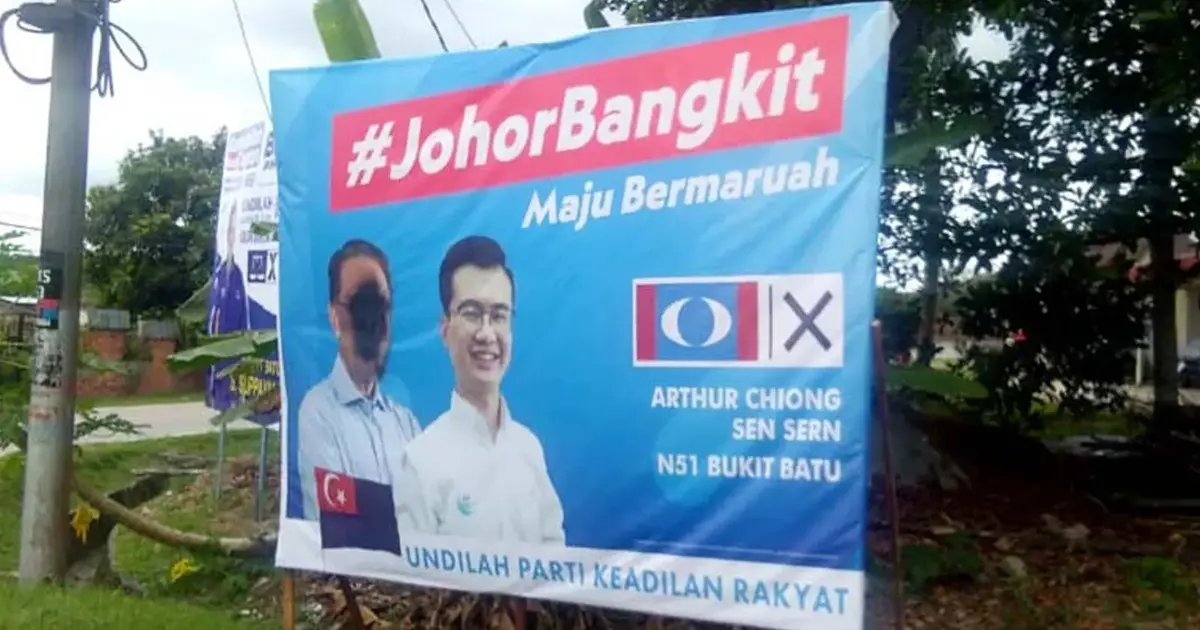
Ninety police reports have been filed throughout the recent campaign period, with authorities opening 25 investigation papers in response, according to Inspector-General of Police Khalid Ismail. The volume of complaints reflects the heightened public engagement typical during electoral campaigns, when scrutiny of public spaces and activities intensifies alongside political messaging and mobilisation efforts.
The Inspector-General's disclosure comes amid public interest in how security agencies monitor campaign conduct and potential electoral violations. His characterisation of the reported incidents as predominantly minor in nature provides preliminary reassurance about the overall security environment, though it underscores the routine administrative workload such periods generate for law enforcement. The distinction between the number of reports filed and investigation papers opened—nearly three-quarters of reports did not advance to formal investigation—suggests police employ filtering mechanisms to prioritise substantive cases.
According to Khalid Ismail, the cases that triggered formal inquiries primarily involve vandalism and similar offences rather than targeting political parties or their candidates directly. This classification is significant because it separates alleged electoral misconduct from general public order infractions, suggesting that complaints relating to campaign finance violations, false statements, or other party-specific breaches—if any were reported—represented a smaller proportion of the total. Vandalism during campaigns typically encompasses poster destruction, property damage at rally venues, and similar incidents that occur across multiple constituencies.
The nature of complaints during election periods differs markedly from routine law enforcement. Campaign seasons witness heightened tensions between rival political factions, increased public gatherings in urban and rural areas, and more extensive use of public spaces for promotional activities. These conditions naturally generate friction points where damage to property, obstruction of thoroughfares, or minor disturbances occur. Malaysian electoral laws impose specific regulations on campaign materials, conduct, and gatherings, creating additional potential violation categories that may not exist during non-election periods.
For Malaysian readers, this data offers perspective on campaign-period stability. The relatively modest number of formal investigation papers—25 out of 90 reports—indicates that most complaints either lacked substantiation, involved jurisdictional issues, or fell outside police purview. This filtering reflects standard investigative practice, where initial complaints are assessed for legal basis before resource-intensive inquiries commence. The focus on vandalism and minor issues suggests the campaign environment remained broadly orderly, without widespread allegations of serious electoral crimes.
The timing of the announcement is relevant to broader discussions about electoral governance in Malaysia. Transparency regarding campaign-period law enforcement activities contributes to public confidence in the neutrality of security agencies, a concern that periodically surfaces in Malaysian political discourse. By detailing complaint volumes and investigation outcomes, the police leadership addresses implicit questions about whether enforcement agencies selectively target particular political actors or groups. The emphasis that cases do not implicate specific parties suggests evenhandedness, though such determinations ultimately require detailed case-by-case examination.
Regional context matters here. Throughout Southeast Asia, election campaigns frequently attract police involvement—sometimes appropriately addressing genuine public order concerns, occasionally raising concerns about bias. Thailand, Indonesia, and the Philippines have all experienced periods when law enforcement responses to campaign conduct generated controversy. Malaysia's established electoral framework and institutional safeguards generally maintain better separation between law enforcement and political processes than some neighbouring jurisdictions, yet scrutiny remains appropriate.
The 25 investigation papers represent formal commitments of police resources to pursue specific allegations. These cases will advance through investigative stages, potentially resulting in charges, prosecutions, or administrative resolutions depending on evidence and applicable law. The specific offences encompassed within these 25 cases remain publicly unspecified, limiting broader assessment of whether they reflect routine campaign-period infractions or unusual developments. Transparency regarding case outcomes would provide more complete understanding of enforcement patterns.
Vandalism during campaigns presents particular enforcement challenges. Campaign materials proliferate extensively, and determining responsibility for damage requires investigation. Political supporters occasionally target opposition posters or banners, while property owners sometimes remove campaign materials without authorisation. These overlapping claims can generate genuine disputes about liability. That vandalism complaints constituted a significant share of reported issues reflects this inherent tension between candidates' rights to campaign visibility and property owners' rights to undamaged premises.
The Inspector-General's framing emphasises that reported cases do not directly involve party conduct, a clarification addressing potential concerns about selective enforcement against specific political organisations. Malaysian election law imposes rules on parties themselves—campaign financing, material content, conduct of members—as well as on individual candidates. Distinguishing between violations of party-directed conduct and general public order breaches matters legally and politically, as the former might suggest targeted scrutiny while the latter reflects routine policing.
Moving forward, these statistics establish baseline data for evaluating campaign-period law enforcement. Future campaigns can be compared against this period's experience, providing some objective measurement of whether campaign stability improves, deteriorates, or remains consistent. For electoral observers and governance analysts, the breakdown between reported cases and investigated matters offers insight into police filtering criteria and enforcement priorities. Sustained attention to how these 25 investigation papers are resolved will indicate whether enforcement patterns reflect genuine public safety concerns or systemic bias.

