%22%2F%3E%3C%2Fpattern%3E%3C%2Fdefs%3E%3Crect%20width%3D%22100%25%22%20height%3D%22100%25%22%20fill%3D%22url(%23ph1fn76g)%22%2F%3E%3Crect%20width%3D%22100%25%22%20height%3D%22100%25%22%20fill%3D%22url(%23ph1fn76p)%22%2F%3E%3Ctext%20x%3D%2250%25%22%20y%3D%2250%25%22%20text-anchor%3D%22middle%22%20dominant-baseline%3D%22central%22%20fill%3D%22rgba(255%2C255%2C255%2C0.95)%22%20font-family%3D%22Georgia%2C%20'Times%20New%20Roman'%2C%20serif%22%20font-weight%3D%22700%22%20font-size%3D%22226%22%20letter-spacing%3D%22-0.02em%22%3EPolice%3C%2Ftext%3E%3C%2Fsvg%3E)
An explosion during a combat training exercise at Hobart Camp in Gurun has claimed the lives of two army personnel, prompting police to launch a comprehensive witness interview campaign as part of their investigation. The incident occurred during a grenade-throwing exercise conducted by the First Squadron of the Royal Malaysian Engineers Regiment on June 16 at approximately 10:57 am, leaving the military and civilian authorities focused on determining what led to the fatal blast.
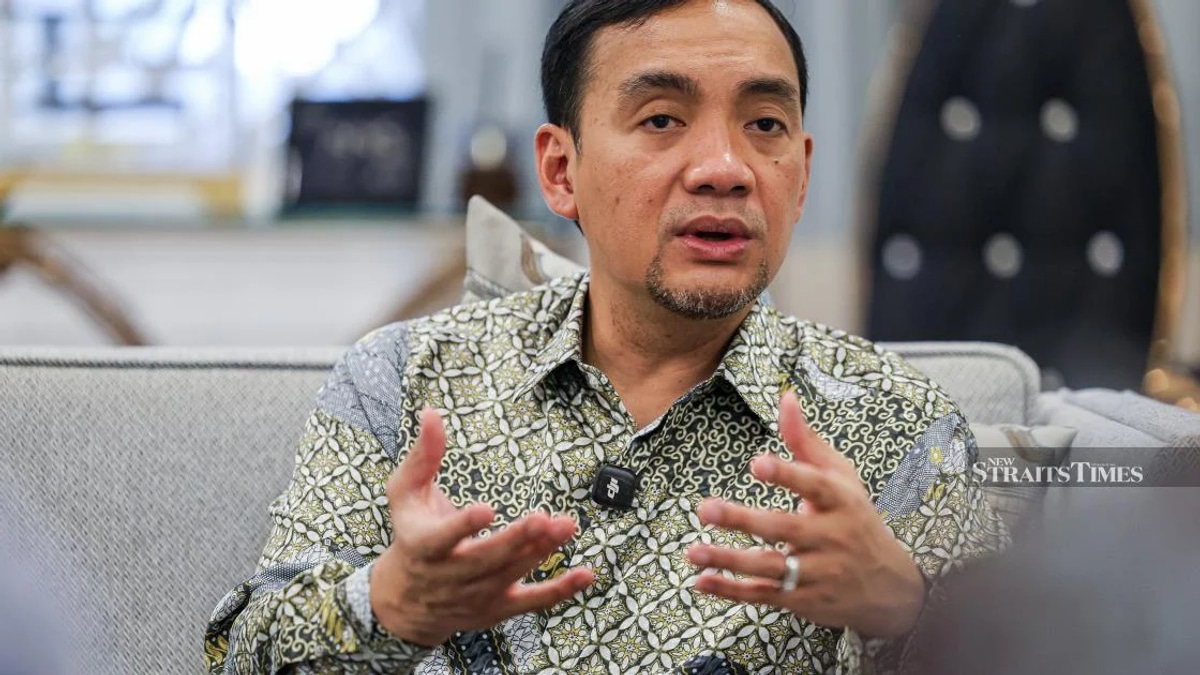
Kuala Muda police chief ACP Hanyan Ramlan confirmed that the department has classified the incident as a sudden death report (SDR) investigation, a standard procedural classification used when fatalities occur under non-standard circumstances. Speaking at the Forensic Department of the Sultan Abdul Halim Hospital in Sungai Petani, the police chief outlined a methodical approach to establishing the facts surrounding the explosion, emphasising the importance of gathering testimony from those who witnessed the training exercise firsthand.
The two victims were identified as Corporal Norazmi Abu Bakar from the Sixth Battalion of the Royal Malay Regiment and Private Siti Khadijah Sungip from the First Squadron of the Royal Malaysian Engineers Regiment. Both were actively participating in the Combat Enhancement Training programme organised by the Second Infantry Division when the blast occurred. The military confirmed that the incident unfolded as part of a larger training initiative designed to enhance combat readiness among personnel.
The severity of injuries sustained by both soldiers became apparent within minutes of the explosion. Despite immediate emergency response efforts and rapid transport to medical facilities, neither casualty survived the journey to the hospital. The deaths mark a tragic intersection of military training risks and operational safety, raising questions about protocols and oversight during live weapons exercises that involve explosive devices.
Post-mortem examinations have been scheduled at the Sultanah Bahiyah Hospital in Alor Setar, a procedural step essential for establishing precise cause of death and gathering forensic evidence. This medical investigation will run parallel to the police inquiry, with findings from both processes helping to construct a comprehensive picture of events. The timing and nature of the examination underscore the seriousness with which authorities are treating the investigation.
ACP Hanyan Ramlan stressed that securing cooperation from all relevant parties remains central to the investigation's progression. This includes not only eyewitness accounts from fellow soldiers present during the exercise, but also potentially technical assessments from military training supervisors and equipment specialists. The multi-layered investigative approach reflects standard practice when fatalities occur during military operations, particularly those involving high-risk equipment and explosive materials.
For Malaysia's military community and civilian observers alike, the incident raises critical discussions about training safety and risk management protocols. Military training exercises involving live grenades represent some of the highest-risk activities conducted by armed forces globally, and incidents such as this invariably prompt comprehensive reviews of existing safety procedures and protective measures. The investigation's findings may influence future training methodologies across the Malaysian Armed Forces.
The involvement of both male and female personnel in the fatal exercise also reflects the increasingly integrated nature of modern military units. Private Siti Khadijah Sungip's participation in the grenade-throwing exercise demonstrates women's growing role in combat and engineering units within the Malaysian military, a development that carries both symbolic and operational significance for military modernisation efforts in the region.
Local authorities in Kedah have been mobilised to support the investigation, with the Sultan Abdul Halim Hospital serving as a coordination point for medical and forensic aspects of the inquiry. This institutional cooperation reflects the collaborative framework that typically emerges when military incidents occur within civilian jurisdiction, balancing military operational autonomy with civilian investigative procedures.
The explosion at Hobart Camp represents a sobering reminder of the inherent dangers associated with military training involving explosive materials. While such exercises form an essential component of combat readiness and personnel development, they demand rigorous adherence to safety protocols and continuous assessment of risk factors. The forthcoming investigation will likely provide crucial insights into whether standard procedures were followed and whether any systemic improvements to training safety can be implemented across the Malaysian Armed Forces.