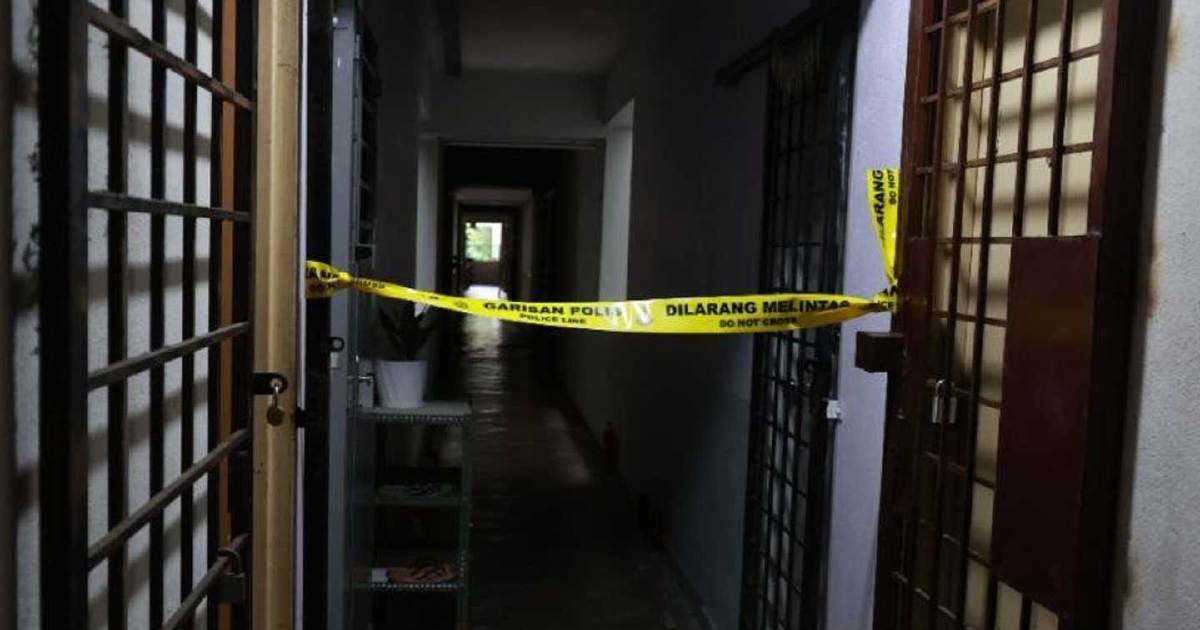
Police in Kajang have initiated a murder investigation after discovering the body of a woman concealed inside luggage at a private residence in the Taman Impian Indah neighbourhood. The discovery has triggered a significant law enforcement response, with detectives treating the case as a homicide until evidence suggests otherwise.
The gruesome find at the Kajang home has raised immediate concerns about foul play and the circumstances surrounding the woman's death. The manner in which the body was concealed—packed inside travel luggage—suggests deliberate efforts to conceal evidence, a factor that has guided initial investigative priorities. Such discoveries typically prompt swift forensic examination and witness interviews to establish a timeline of events.
District authorities have taken charge of preliminary inquiries, with investigators working to identify the deceased and establish her connection to the property where she was found. The process of identification is a critical early stage in homicide investigations, particularly when the body has been concealed or when there are no obvious identifying documents at the scene. Family members and associates of household occupants are typically among the first persons of interest in such cases.
The decision to treat this as a murder inquiry reflects standard police protocol when a body is discovered under suspicious circumstances. Investigators will examine whether the victim died at the location or was transported there post-mortem, a distinction that significantly influences the direction of the probe. Forensic pathologists will conduct examinations to determine the cause of death and establish a preliminary timeline for when the death occurred.
Cases involving concealed remains often involve elements of premeditation and planning. The use of luggage as a container suggests whoever was responsible may have intended to transport the body elsewhere or had substantial time to arrange its concealment before discovery. This forensic detail may become crucial in establishing motive and identifying suspects with means, opportunity, and knowledge of the victim's movements.
For residents of Kajang and surrounding areas in the Klang Valley, such incidents can generate considerable concern about community safety and the prevalence of violent crime in residential neighbourhoods. Taman Impian Indah, like many established residential developments across the greater Kuala Lumpur region, is typically perceived as a relatively peaceful suburban area. Serious crimes involving concealed remains are unusual enough to warrant widespread attention and prompt heightened security awareness among residents.
The investigation is likely to expand beyond the initial property, with detectives examining whether anyone transported the luggage, whether nearby establishments have security camera footage, and whether community members witnessed anything unusual at or near the residence. In densely populated residential areas such as this, neighbours and passersby can provide critical testimony about vehicle movements, unfamiliar individuals, or disturbances in the days or hours preceding discovery.
Police will also scrutinise records related to the property itself, including utility usage patterns, visitor logs if the residence is a rental or commercial property, and any prior incident reports. Such background checks can yield information about who had regular access to the premises and may help narrow the investigative focus. Telephone records, financial transactions, and digital device data from the property may also feature in the broader forensic strategy.
The case underscores ongoing challenges law enforcement agencies face in addressing violent crime within residential communities. While serious homicides remain statistically uncommon in Malaysia, investigations of this nature consume substantial police resources and typically receive senior management attention due to their gravity and public impact. The way authorities handle initial evidence preservation and witness collection often determines whether subsequent prosecutions can proceed successfully through the courts.
As the investigation unfolds, police are expected to issue updates regarding potential suspects, the victim's identity once confirmed, and the estimated time window in which the death occurred. Family members of missing persons in the Kajang area may come forward if they believe they have information relevant to the case. The police have typically appealed for community cooperation in previous similar cases, recognising that neighbourhood residents often possess crucial details.
The discovery also highlights the unpredictable nature of criminal activity and its potential to touch even established, apparently quiet residential areas. Property owners and residents throughout the region may review their own security measures in light of such incidents, though serious violent crime remains sufficiently rare that panic is typically unwarranted. Law enforcement agencies have indicated their commitment to pursuing the investigation thoroughly and bringing those responsible to justice.

