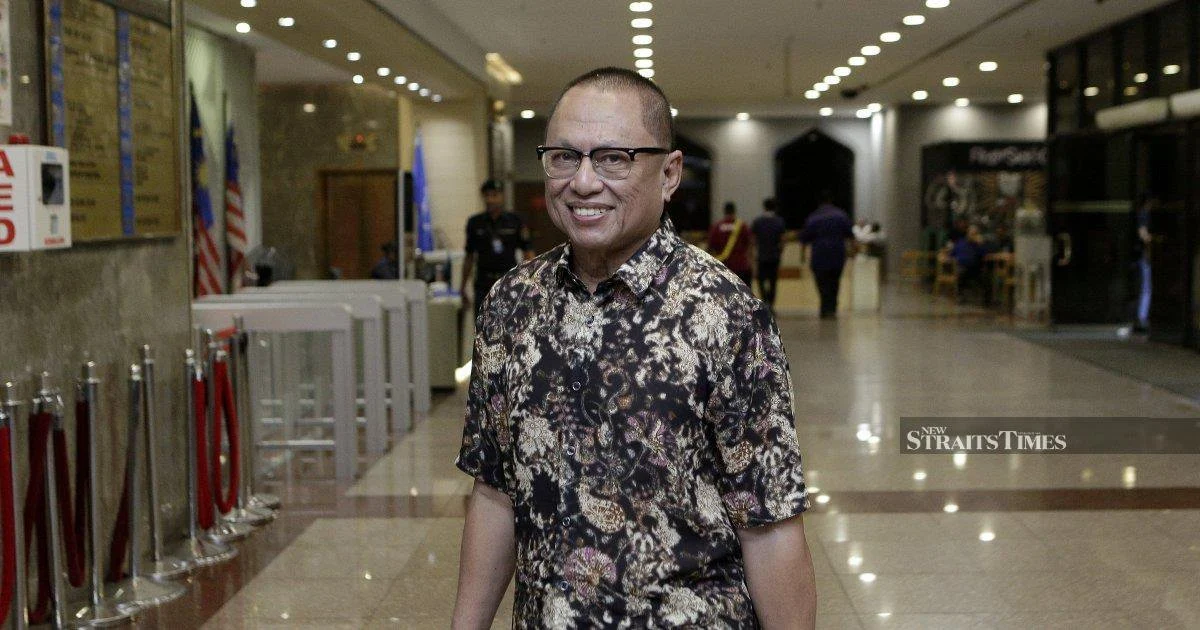
Police have initiated a formal investigation into remarks reportedly made by former Umno veteran Datuk Dr Mohd Puad Zarkashi on social media platforms, after receiving an unprecedented 153 police reports from concerned citizens across the country in a single day. The decision to open the probe reflects the widespread public concern triggered by the comments, which have sparked considerable debate over their appropriateness and potential implications.
The scale of public response demonstrates the sensitivity surrounding statements made by senior political figures, particularly those relating to matters that touch on communal relations and national values. The filing of over 150 reports within 24 hours indicates that the alleged remarks have struck a significant nerve among citizens from various backgrounds, transcending typical political disagreements to activate broader concerns about responsible public discourse. Such volume of complaints is unusual and typically reserved for incidents perceived as exceptionally serious or potentially harmful.
Datuk Dr Mohd Puad Zarkashi, a prominent figure within the United Malays National Organisation (Umno), carries considerable influence within Malay-Muslim political circles. His public statements carry weight beyond ordinary commentary because of his status as a respected voice on issues affecting the community. This elevated platform means that utterances from such figures face heightened scrutiny from both supporters and critics, and carry the potential to shape broader narratives within the political landscape.
The investigation will likely examine the precise wording of the social media posts in question, the context in which they were made, and whether the statements contravene any existing laws or regulations. Police will need to determine whether the remarks crossed legal thresholds regarding sedition, incitement, or other relevant offences, or whether they represent permissible expression within Malaysia's constitutional framework. This distinction between unlawful speech and legitimate political discourse remains a contentious area in Malaysian legal practice.
The incident highlights ongoing tensions around the boundaries of acceptable political commentary in Malaysian public life. While the country maintains traditions of robust debate within defined parameters, the rise of social media has created new platforms where statements can rapidly amplify and reach audiences far beyond the original intended recipients. This transformation has complicated the traditional gatekeeping functions that journalists and institutional filters once performed, enabling direct politician-to-citizen communication but also creating risks of rapid misinformation spread.
For Umno specifically, the controversy represents another reputational challenge during a period when the party has been working to rehabilitate its public standing following the 1MDB scandal and subsequent electoral setbacks. Senior party figures making incendiary statements can undermine broader party narratives and complicate efforts to rebuild trust among Malaysian voters. The investigation's outcome may therefore carry implications not just for Datuk Dr Mohd Puad Zarkashi individually, but for Umno's positioning in Malaysian politics more broadly.
The complaints lodged appear to reflect concerns about whether the remarks promote divisive messaging or undermine national cohesion. Malaysia's diverse population requires careful navigation of statements that could be perceived as antagonistic to particular communities or religious groups. The sheer number of reports suggests that observers interpreted the comments as crossing accepted boundaries of intercommunal sensitivity, though the actual content of the remarks and their precise implications remain subjects of ongoing public discussion.
This investigation also occurs within a broader Malaysian context of enhanced focus on online speech and social media conduct. Authorities have increasingly scrutinised politicians' digital communications, recognising that social media constitutes a primary channel through which public figures now communicate directly with constituents and shape political narratives. The volume of complaints in this instance may signal that Malaysian citizens are becoming more inclined to formally report statements they deem problematic, rather than simply engaging in informal criticism.
The Police investigation methodology will be crucial in determining how Malaysian law enforcement addresses speech-related complaints during the digital age. Authorities must balance legitimate freedom of expression protections against genuine public safety concerns and community relations considerations. The precedent established by how this case progresses will likely influence how similar complaints are handled in future, shaping the practical boundaries of acceptable political discourse on Malaysian social media platforms.
As the investigation unfolds, attention will focus on whether police ultimately recommend charges or whether the matter is resolved through other means. The outcome will signal the government's stance on how stringently statements by prominent political figures will be scrutinised, and whether prominence or party affiliation influences the treatment of complaints. For Malaysian civil society more broadly, the case represents an important juncture in defining acceptable norms for political communication within an increasingly digital public sphere.

