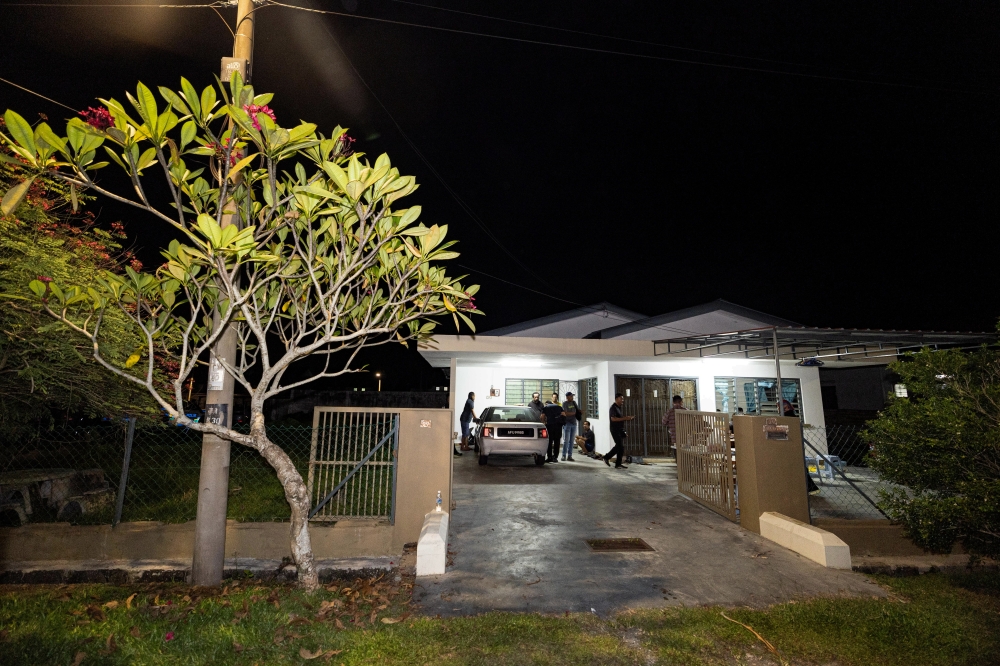
Police in Perak have initiated a criminal investigation after a 54-year-old resident was found dead at a nursing home located in Tanjung Rambutan, an area roughly 20 kilometres south of Ipoh. The discovery has triggered immediate questions about the circumstances surrounding the death and the adequacy of supervision within private care facilities across the state.
The incident marks another troubling episode in a series of concerns that have shadowed Malaysia's rapidly expanding elderly care sector over recent years. With an ageing population and growing demand for residential services, the nation's care facilities have come under increasing public and governmental scrutiny regarding operational standards, staff training, and resident welfare protocols. This particular case in Perak will likely add pressure on regulators to strengthen oversight mechanisms and enforce stricter compliance requirements among nursing home operators.
The body was discovered at the facility, though specific details about the circumstances of death and the precise condition in which the man was found remain under police examination. Investigators are treating the matter as a potential unlawful killing, a classification that signals initial suspicion of foul play rather than natural causes. The police response suggests that preliminary observations at the scene warranted escalation beyond a routine inquiry into sudden death.
Family members and the broader community in Ipoh will be closely monitoring how authorities handle the investigation, particularly regarding questions of accountability and whether any staff negligence or misconduct may have contributed to the tragedy. The case underscores a critical gap in Malaysia's regulatory framework: while care facilities must adhere to health ministry guidelines, enforcement remains inconsistent across states, and penalties for violations are often perceived as inadequate deterrents.
Tanjung Rambutan has historically served as a significant location for medical and welfare services in Perak, hosting government institutions alongside private enterprises. The presence of a care facility in this locality reflects the growing commercialisation of elderly care in Malaysia, where rising living costs and changing family structures have made institutional care increasingly common, particularly among middle and lower-income households who lack resources for full-time domestic carers.
The investigation will likely examine the facility's staffing levels, qualifications of caregivers, maintenance of medical records, and whether any incidents or complaints had been previously reported to authorities. Such examinations are crucial because understaffing and inadequate training have been recurring issues identified in previous care home controversies across Malaysia. Poorly trained staff may struggle to recognise medical emergencies or may apply improper care techniques that place vulnerable residents at risk.
For families who have placed elderly relatives in care facilities throughout Perak and neighbouring states, this incident will reignite anxieties about whether their loved ones receive appropriate supervision and compassionate treatment. Parents and grandparents constitute a substantial portion of nursing home residents, and their dependence on institutional providers creates a power imbalance that makes regular oversight essential. Many families lack the time, proximity, or knowledge to monitor care quality effectively, making independent regulatory inspection all the more vital.
The police investigation will determine whether any criminal charges should be filed against individuals responsible for the facility or particular staff members. If negligence or deliberate harm is established, such outcomes would set important precedents for the private care sector and send a signal that operators cannot treat resident safety as secondary to profit maximisation. Convictions in previous care home cases have been relatively rare in Malaysia, partly because proving intent or causality can be challenging and partly because enforcement capacity has been stretched thin.
This death also highlights the need for mandatory reporting systems and whistleblower protections for care workers who witness inappropriate practices. Many staff members, particularly migrant workers or those on precarious contracts, fear retaliation if they raise concerns about safety violations. Strengthening protections for those who report misconduct could create an internal accountability mechanism that complements external regulation.
State and federal authorities will face mounting pressure to review licensing procedures for nursing homes and to implement more rigorous inspection schedules. Some facilities operate with minimal oversight beyond an initial approval process, creating environments where poor practices can persist unchecked. Regular unannounced inspections, resident and family feedback mechanisms, and mandatory incident reporting would represent meaningful reforms.
The investigation's conclusions will likely influence how other care facilities across Perak and Malaysia approach safety protocols and staff management. Media coverage and public concern generated by such cases can sometimes provoke temporary improvements, but sustainable change requires legislative backing, adequate funding for inspectorates, and a cultural shift within the industry toward treating elderly residents as rights-bearing individuals deserving of dignity and competent care rather than merely as revenue sources.
As police work to establish the cause and circumstances of the man's death, families across the region are reminded of the stakes involved in residential care decisions and the ongoing challenge of balancing accessibility with quality in Malaysia's fragmented care sector.

