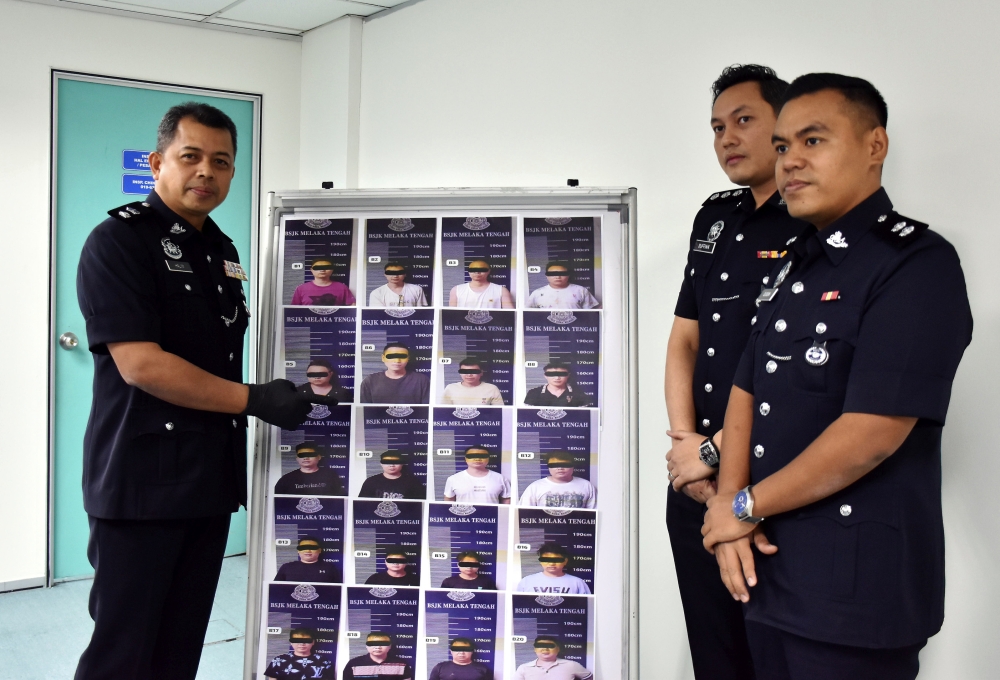
Police in Melaka have arrested 21 Chinese nationals in connection with operating a fraudulent investment scheme that defrauded victims across multiple jurisdictions. The operation, which culminated in coordinated raids across several locations, represents a significant breakthrough in tackling transnational financial crime in Malaysia.
The syndicate operated by luring unsuspecting investors with promises of extraordinary returns on non-existent investment products. Perpetrators employed sophisticated digital marketing techniques and leveraged social media platforms to contact and recruit victims, many of whom were unaware they were engaging with an illegal operation. The scheme relied on psychological manipulation and financial desperation, targeting individuals seeking viable investment opportunities in an increasingly uncertain economic climate.
The arrested individuals are believed to have coordinated their activities from a base in Melaka, where authorities discovered operational infrastructure including computers, communication devices, and financial records documenting the scope of their activities. Investigators found evidence suggesting the network had been active for several months, systematically accumulating capital from defrauded investors before attempting to disappear with accumulated funds.
Chinese transnational criminal syndicates operating on Malaysian soil represent an escalating challenge for law enforcement. These groups often exploit Malaysia's geographic location, established Chinese diaspora communities, and comparative accessibility to banking systems. Their operations frequently target compatriots, exploiting cultural trust and language familiarity to facilitate deception. The Melaka bust underscores authorities' commitment to addressing these cross-border criminal networks that undermine financial system integrity.
The investigation revealed the syndicate's modus operandi involved creating convincing but fraudulent investment platforms, often mimicking legitimate financial institutions. They solicited deposits through multiple banking channels, accumulating substantial sums before victims discovered they could not access promised returns or withdraw principal amounts. The scheme's sophistication suggests members possessed financial knowledge and international operational experience.
Malaysian police cooperation with international counterparts has been instrumental in identifying and locating the suspects. The operation demonstrates improved cross-border law enforcement coordination within the region, reflecting growing recognition that financial crimes transcend national boundaries and require collaborative responses. Intelligence sharing between Malaysian authorities and their Chinese counterparts has become increasingly critical as these syndicates become more mobile and sophisticated.
The arrests have profound implications for Malaysian financial security and investor protection. Reports of fake investment schemes have multiplied across Southeast Asia as digital technologies enable criminals to reach wider audiences with minimal overhead. Malaysia's relatively developed digital infrastructure and high internet penetration have ironically made it attractive for sophisticated fraud operations targeting regional customers.
Authorities stress that legitimate investment opportunities require proper regulatory oversight and transparent disclosure of risks. Investors are cautioned against schemes promising unusually high returns without corresponding risk explanation. Bank Negara Malaysia and the Securities Commission maintain comprehensive registers of licensed financial advisors and investment platforms; consultation of these databases provides essential protection against fraud.
The case highlights persistent vulnerabilities in cross-border transaction monitoring. Although financial institutions maintain compliance frameworks, criminals continuously develop methods to obscure fund flows and exploit regulatory gaps. Strengthening anti-money laundering protocols and enhancing real-time transaction scrutiny remain essential to disrupting these operations before they accumulate substantial proceeds.
For Malaysian consumers, the incident serves as reminder of investment vigilance. Digital communication enables criminals to present polished, professional facades masking underlying fraud. Verifying credentials through official regulatory channels, avoiding pressure to commit funds rapidly, and consulting independent financial advisors before substantial investments remain fundamental protective measures for retail investors.
The 21 arrested individuals face investigation under relevant Malaysian criminal statutes addressing financial fraud, theft, and conspiracy. Authorities anticipate additional charges may be recommended pending forensic analysis of seized financial records and digital devices. Cooperation with Chinese judicial authorities regarding victims and assets within China's jurisdiction is likely to extend investigative and enforcement scope significantly.
This operation exemplifies Malaysian law enforcement's capacity to address transnational crimes despite resource constraints and jurisdictional complexities. However, the continuing emergence of comparable schemes suggests systemic challenges requiring sustained investment in financial crime investigation capacity, international intelligence cooperation, and public education regarding investment fraud awareness.
Beyond immediate prosecutions, this case reinforces critical questions regarding digital platform regulation, real-name verification requirements for financial transactions, and information-sharing protocols between financial institutions and law enforcement. Malaysia's status as a regional financial hub demands continued sophistication in detecting and preventing schemes that damage investor confidence and threaten systemic stability across Southeast Asia.

