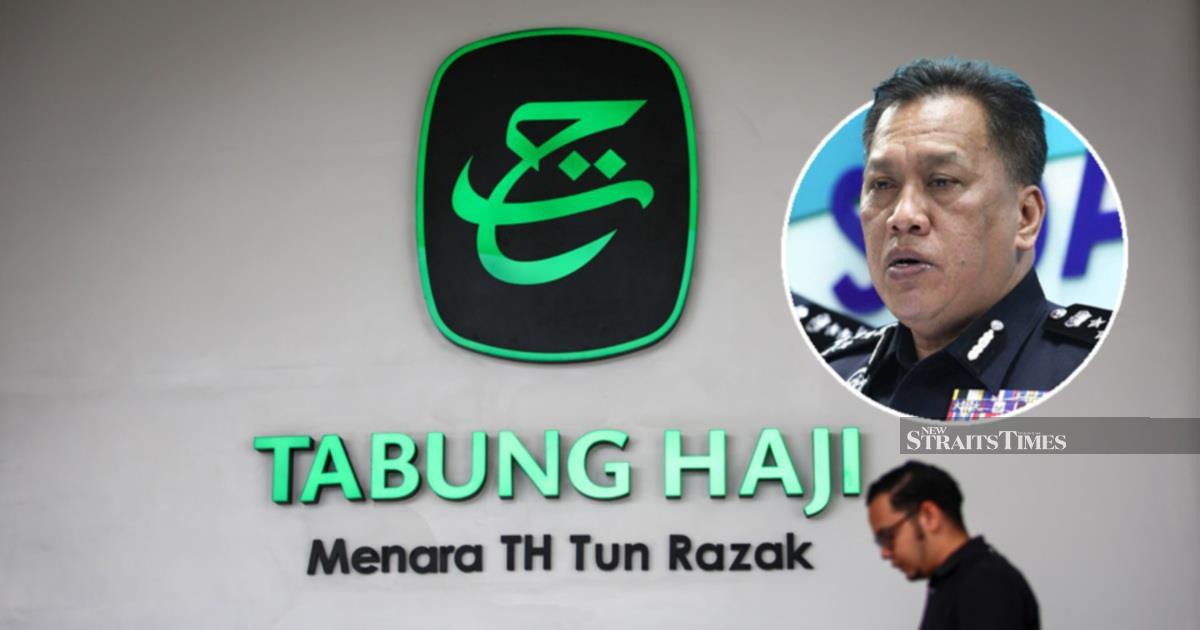
The Royal Malaysian Police have deepened their inquiry into the Lembaga Tabung Haji (TH) affair by recording witness statements from 134 individuals, demonstrating the extensive scope of investigations following the Royal Commission of Inquiry findings. The scale of the police operation reflects the complexity and serious nature of allegations that emerged from the RCI report, which examined governance failures and financial irregularities at Malaysia's pilgrimage savings fund.
Among the 134 witnesses, police recently called in 10 additional individuals for questioning, signalling an ongoing and evolving investigation that continues to uncover new leads. This incremental approach to gathering evidence suggests that initial statements have prompted investigators to identify further individuals with relevant knowledge or involvement in matters pertaining to Tabung Haji's operations.
The Tabung Haji RCI was established to investigate serious concerns surrounding the fund's management, investment decisions, and financial stewardship. The institution, which manages savings for Muslims planning to perform the Hajj pilgrimage, holds the life savings of hundreds of thousands of Malaysians, making the integrity of its governance a matter of national importance and public trust.
Police investigations into RCI findings represent a critical phase in Malaysia's accountability framework. Unlike the RCI process, which focuses on fact-finding and recommendations, police involvement signals the potential transition from administrative inquiries to criminal investigation, where evidence may support prosecution if wrongdoing is substantiated.
The witness statement gathering process is foundational to any potential criminal case. Each account contributes to establishing a factual timeline, identifying key decision-makers, and corroborating or contradicting evidence. With 134 statements already recorded, investigators are building a comprehensive evidentiary foundation that may eventually support charges against individuals or entities implicated in improper conduct.
For Malaysian investors and pilgrims who depend on Tabung Haji's services, these police investigations offer a mechanism for justice and institutional reform. The involvement of law enforcement signals that concerns raised during the RCI process are being taken seriously at the highest levels of government enforcement agencies, potentially strengthening public confidence in the investigation's independence and thoroughness.
The RCI process itself was initiated following mounting public concern over Tabung Haji's financial performance and governance standards. News of substantial losses, controversial investment decisions, and governance shortcomings had eroded confidence in the institution and prompted calls for accountability and structural reform. The police investigation now provides a complementary enforcement avenue to the RCI's findings and recommendations.
Investigating high-profile financial institutions and their leadership requires extensive coordination among police units, and the involvement of multiple witnesses from different organisational levels suggests a comprehensive approach. These witnesses likely include former and current Tabung Haji employees, board members, senior management, external advisors, and business partners whose accounts would illuminate decision-making processes and governance practices.
For regional observers, Malaysia's handling of the Tabung Haji matter demonstrates the country's institutional capacity to investigate large-scale governance concerns. Throughout Southeast Asia, sovereign wealth funds and national savings institutions face scrutiny over transparency and stewardship, making Malaysia's investigative response noteworthy as a regional precedent in institutional accountability.
The 10 recent witnesses called in for statement recording may represent targeted follow-up based on lines of inquiry from earlier interviews, suggesting that investigators have identified specific areas requiring clarification or contradictions requiring resolution. This targeted expansion indicates investigators are not simply collecting statements passively but actively pursuing investigative leads.
The timeframe for concluding the police investigation remains unclear, but the substantial witness list suggests investigators are committed to thorough documentation. Once the police complete their investigation and prepare a case file, the decision on whether to recommend charges will rest with the Attorney General's Chambers, which will assess whether evidence meets the standard for criminal prosecution.
For Tabung Haji stakeholders and the broader Malaysian public, the pace and depth of police investigations will be closely monitored. The investigation's outcome has implications not only for individual accountability but also for determining what governance reforms and oversight mechanisms should be implemented to prevent future institutional failures affecting Malaysia's Muslim community and their sacred financial commitments.

