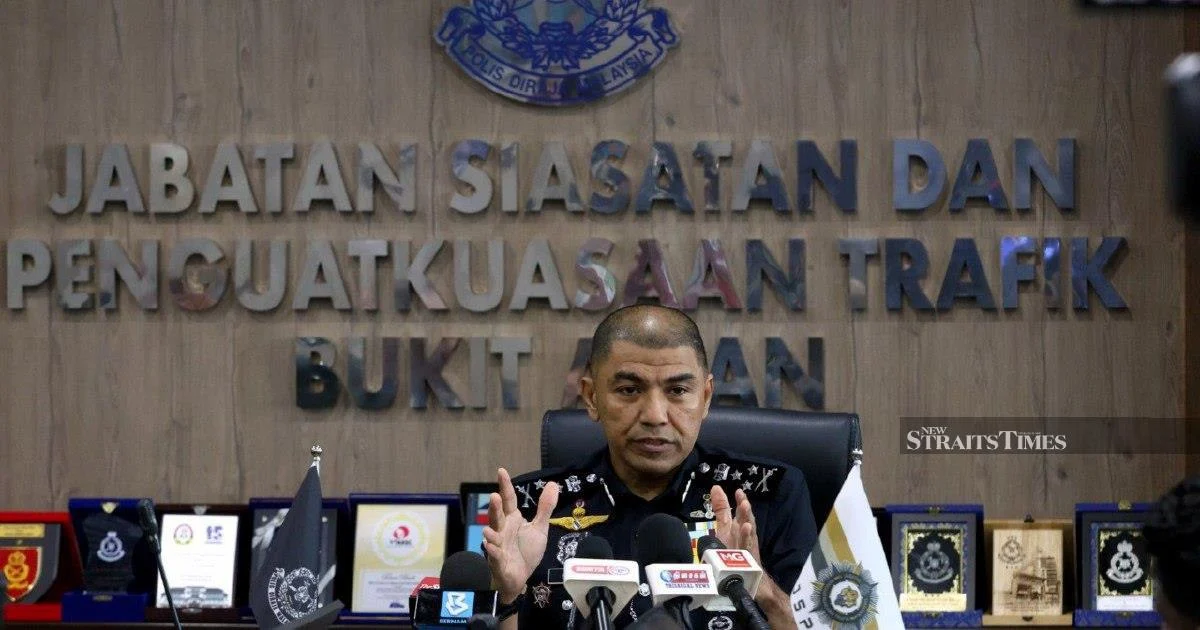
A sustained crackdown by Malaysian police has resulted in 121 arrests of commercial vehicle drivers across the country over the past three months, all suspected of operating their vehicles while impaired by drugs. The enforcement operation represents a significant escalation in efforts to address what authorities regard as a growing public safety threat stemming from substance-affected driving among operators of heavy goods vehicles, buses, and other commercial transport modes.
The scale of arrests points to a troubling pattern within the commercial transport sector, where fatigue combined with drug use creates heightened risks on Malaysian highways and urban roads. Commercial vehicles—particularly long-haul trucks and intercity buses—carry considerable loads and transport numerous passengers, making impaired operation especially hazardous. A driver incapacitated by narcotic substances cannot maintain appropriate road awareness, reaction times, or vehicle control, factors that become catastrophically relevant when operating vehicles weighing several tonnes.
This enforcement initiative reflects official concern that substance abuse among commercial drivers represents an underestimated contributor to road accident severity and fatality rates. Unlike drink-driving, which benefits from established roadside testing protocols and public awareness messaging, drug-impaired driving remains less visible in public discourse yet poses comparable dangers. The nationwide scope of the operation suggests police have gathered intelligence indicating the problem extends beyond isolated incidents at particular truck routes or terminals.
The motivations driving commercial drivers toward drug use likely warrant examination alongside the arrest figures. Many operators work extended hours under tight delivery schedules and economic pressure, potentially turning to stimulants to maintain alertness. This structural issue—the intersection of arduous working conditions and substance dependency—complicates enforcement-only solutions. Without addressing underlying factors, arrest campaigns may suppress symptoms rather than resolve root causes.
Malaysian road safety statistics already rank poorly by regional standards, with fatal accident rates attributed partly to speeding, fatigue, and vehicle defects. The addition of substance-impaired commercial drivers represents another vector for preventable tragedies. A single serious incident involving an impaired long-haul truck navigating congested federal routes or mountainous terrain could claim multiple lives and generate sustained disruption to freight logistics and passenger transport networks.
The three-month timeframe suggests this enforcement operation represents either an intensified response to detected increases in the problem or a regular campaign. Consistency matters for deterrence—operators need to understand that authorities maintain ongoing scrutiny. However, the success of such operations depends equally on detection capability, which requires adequate road policing resources, modern testing equipment, and officer training in recognising signs of drug impairment beyond those suggested by erratic driving.
International experience indicates that comprehensive approaches to impaired driving combine enforcement with education, employer responsibility frameworks, and rehabilitation pathways. Commercial transport operators could be incentivised to implement internal policies discouraging drug use, establishing peer accountability, and ensuring adequate rest periods. Companies carrying passengers bear particular moral and legal obligations to protect public safety, suggesting industry-wide initiatives might complement government enforcement.
The implications extend beyond immediate road safety. The transport sector forms a crucial economic backbone for Malaysia, underpinning supply chains, construction, retail distribution, and tourism. Disruption through enforcement operations, while necessary, creates friction. Conversely, crashes caused by impaired driving generate far greater economic damage through accident-related costs, litigation, insurance premiums, and reduced operational efficiency across dependent sectors.
From a Southeast Asian perspective, Malaysia's approach to this problem may influence regional responses. Several countries in the region contend with similar challenges—limited road policing resources, high accident rates, and growing substance abuse. How Malaysian authorities balance enforcement with systemic prevention could offer lessons or cautionary tales for neighbours facing comparable pressures.
Looking forward, sustaining this enforcement effort requires institutional commitment and adequate funding for police traffic divisions, particularly in rural areas where commercial vehicle traffic predominates and oversight proves most difficult. Testing protocols must remain credible and legally defensible to ensure prosecutions withstand judicial scrutiny. Simultaneously, commercial transport operators, logistics companies, and industry bodies should engage constructively with law enforcement to develop shared standards for driver management and substance abuse prevention.
The arrest figures underscore that impaired driving among commercial operators constitutes not merely an individual choice but a systemic risk requiring coordinated response across enforcement, regulation, industry practice, and public health domains. Addressing this challenge comprehensively will demand sustained political will, adequate resourcing, and genuine engagement from transport sector stakeholders who understand both the dangers and the operational realities shaping driver behaviour.

