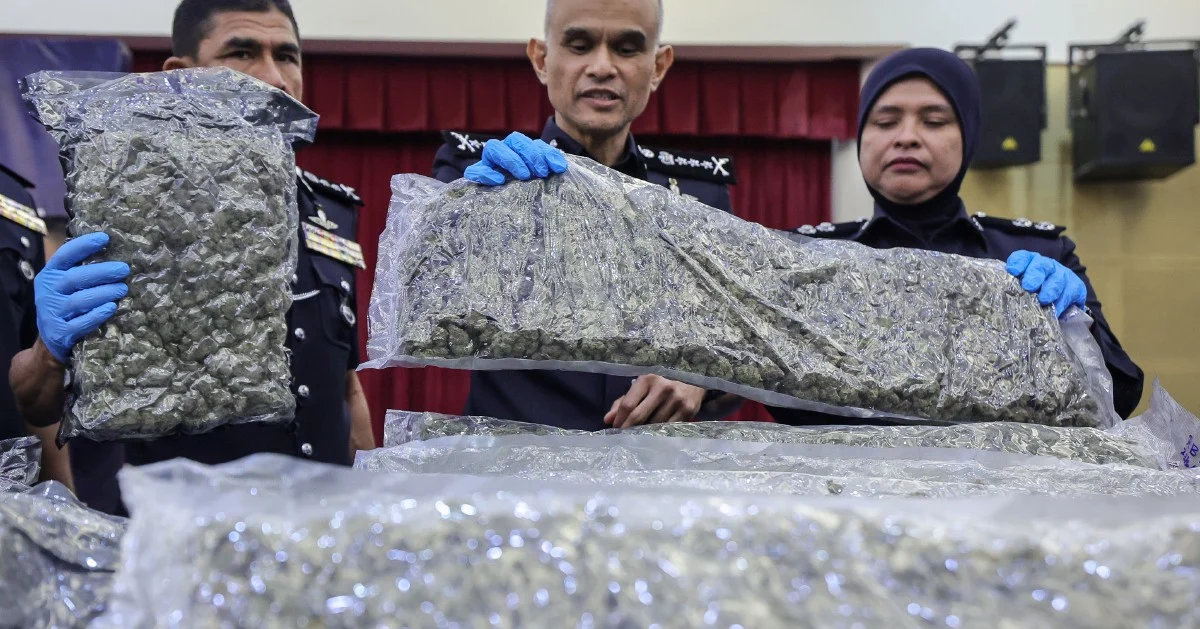
Kuala Lumpur International Airport has become the focus of an intensifying battle against organised drug trafficking, with police announcing the seizure of 650 kilograms of cannabis buds since the start of 2024. The haul, uncovered through enhanced screening operations and intelligence-led enforcement, represents a significant disruption to narcotics supply chains attempting to move contraband through Malaysia's primary international gateway. The scale of the operation underscores the airport's vulnerability to sophisticated smuggling attempts and the determined efforts of law enforcement to intercept large-scale consignments destined for regional markets.
In parallel with the asset seizure, authorities have arrested 38 individuals suspected of orchestrating and participating in the trafficking conspiracy. The arrested parties include both Malaysian nationals and foreign nationals, suggesting a transnational dimension to the operation that reflects broader patterns of organised crime syndicates operating across Southeast Asia. These networks typically exploit Malaysia's geographic position and busy international hub status to transit illicit goods, placing the country at the intersection of drug supply routes linking source regions to lucrative consumer markets throughout Asia and beyond.
The investigation represents an escalation in airport security measures and inter-agency coordination aimed at disrupting drug trafficking at its chokepoint. KLIA, handling millions of passengers and substantial cargo volumes annually, presents a complex operational environment where contraband concealment and swift passage create persistent challenges for detection. The January-to-present timeline suggests sustained police focus, moving beyond one-off interdictions to dismantling established smuggling infrastructure and supply networks.
Cannabis remains a priority concern for Malaysian drug enforcement, classified as a dangerous drug under the Dangerous Drugs Act 1952 with severe criminal penalties for trafficking. The confiscation of such substantial quantities illustrates the scale at which criminal syndicates now operate, reflecting global trends toward industrialised production and transnational distribution networks. Unlike smaller street-level operations, trafficking at this volume typically indicates involvement of organised crime groups with sophisticated logistics, financial resources, and established distribution channels across multiple countries.
The international dimension of the arrests carries particular significance for Malaysia's law enforcement and diplomatic relations with neighbouring countries. Collaborative intelligence-sharing and coordinated enforcement with regional partners have become essential to combating cross-border smuggling. The presence of foreign suspects in the conspiracy may facilitate information-sharing arrangements and mutual legal assistance, though jurisdictional complexities and varying legal frameworks across Southeast Asia complicate prosecution and sentencing outcomes.
From a public health perspective, cannabis seizures at this magnitude indicate substantial domestic consumption demand, notwithstanding Malaysia's strict drug laws and social disapproval. Medical and scientific understanding of cannabis has evolved globally, yet Malaysian policy maintains a firm prohibition stance. The scale of trafficking suggests that despite public awareness campaigns and strict penalties, market forces continue driving supply through established criminal networks capable of absorbing enforcement losses as operational costs.
The detection methodology employed in uncovering this haul likely involved advanced screening technology, intelligence from international law enforcement bodies, and tip-offs from informants or suspicious activity reports. Airports globally have progressively invested in detection infrastructure including scanner systems, detector dogs trained to identify drug odours, and intelligence databases linking suspect profiles to travel patterns. Malaysia's airport authorities have similarly upgraded capabilities in recent years to match sophisticated concealment techniques employed by traffickers.
For travellers and legitimate commerce, airport interdictions of this magnitude raise questions about security procedures and passenger screening efficiency. While enhanced vigilance protects public safety and national security, authorities must balance interdiction effectiveness against operational fluidity and passenger experience. The 38 arrests suggest investigation work extending beyond initial airport detection, involving follow-up surveillance, financial tracking, and coordination with other enforcement agencies to identify distribution nodes and higher-level orchestrators.
The criminal penalties facing the 38 arrested individuals will be severe under Malaysian law, with trafficking charges potentially resulting in lengthy imprisonment and substantial fines. Repeat offences attract mandatory minimum sentences and, for trafficking above specified thresholds, capital punishment remains a potential sentencing option. These extreme penalties reflect official policy treating large-scale drug trafficking as among the most serious criminal matters, comparable in severity to violent offences.
Looking ahead, this operation will likely inform ongoing strategic planning within law enforcement circles regarding airport security, intelligence capabilities, and inter-agency task force arrangements. The bust demonstrates that major trafficking attempts continue regularly, with airport interdictions representing only detected cases; undiscovered smuggling undoubtedly occurs at rates authorities can only estimate. Sustained public investment in enforcement infrastructure, training, and intelligence operations remains critical to addressing supply-side trafficking even as demand-reduction and treatment initiatives address consumption patterns.