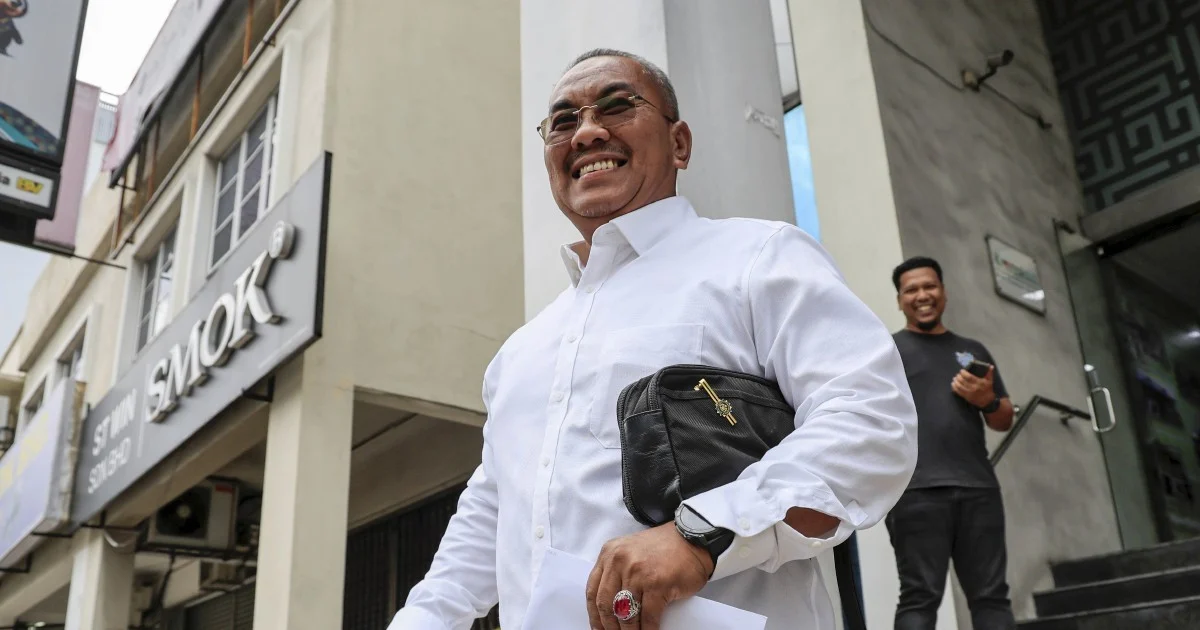
Perikatan Nasional's election director Datuk Seri Sanusi Md Nor has announced the completion of seat allocation negotiations across all component parties ahead of the Johor state election, marking a significant milestone for the coalition's readiness for the electoral contest. The announcement represents the resolution of a complex allocation process that required careful balancing of interests among multiple parties within the four-party alliance seeking to contest in the southern state.
The critical challenge facing any multi-party electoral coalition lies in managing expectations and territorial claims when multiple organizations compete for candidate positions in the same constituencies. In Johor's case, this involved 34 seats where demands overlapped, requiring negotiators from different political organizations to reach compromises acceptable to their respective party leadership. Such negotiations typically extend over weeks and test the cohesion of coalition arrangements, as each party seeks to maximize its presence and influence in state assembly seats.
Penikatan Nasional comprises PAS, Bersatu, Gerakan, and Perikatan Rakyat Sabah, though the primary competition in Johor has centered on PAS and Bersatu, the two largest components. The resolution of all overlapping claims demonstrates sufficient agreement on the allocation framework and suggests that internal management mechanisms within the coalition functioned adequately to prevent public disputes that might have damaged the alliance's credibility. This stands in contrast to previous electoral cycles where coalition partners have publicly disagreed over seat distributions, creating negative publicity.
The Johor state election holds particular significance within Malaysian politics given the state's status as a significant economic and political powerhouse. Home to over four million people and historically viewed as a barometer for electoral sentiment in the wider peninsula, the results carry implications extending beyond Johor itself. Penikatan Nasional's performance in the state will influence perceptions of its viability as a national political force and may affect its standing in subsequent federal considerations and elections across other states.
For Perikatan Nasional, completing seat negotiations without reported breakdowns suggests improved coalition discipline compared to some previous attempts at multi-party coordination. The announcement by Sanusi, himself a senior figure within the coalition, provides formal confirmation that technical and political obstacles have been surmounted. This enables the coalition to move forward to candidate selection and campaign preparation without ongoing disputes over basic seat allocation that could undermine public confidence in the alliance.
The resolution process itself reflects evolving practices in Malaysian coalition politics, where formal dispute resolution mechanisms and negotiation committees have become standard features. Rather than informal deals or unilateral decisions, contemporary coalitions typically employ structured processes with representation from all parties, allowing grievances to be heard and addressed through established channels. This formalization, while sometimes slower, provides greater legitimacy to final outcomes and reduces subsequent litigation or public complaints.
From a Malaysian voter perspective, the completion of these negotiations means the electoral landscape is becoming clearer. Voters in Johor can expect candidate nominations to be announced relatively soon following this breakthrough, allowing sufficient time for local campaigns and community engagement before polling day. The resolution also indicates whether the coalition's seat allocation strategy aligns with political ground realities in different areas, as some constituencies are more favorable than others for particular parties.
The implications for opposition coalitions and ruling structures are also noteworthy. Perikatan Nasional's successful negotiation of Johor seats could influence how other coalitions approach similar challenges, either through learning from successful methodologies or through competitive dynamics that push other alliances to improve their own coordination. The Malaysian political landscape has increasingly operated through coalition arrangements rather than single-party governance, making such coordination essential for any group seeking electoral mandates.
Looking forward, attention will now shift toward candidate selection processes and campaign strategy. With seat allocations finalized, each party must determine which individuals will represent them in various constituencies, a process that often generates internal party tensions as ambitious politicians compete for nomination. The strength of Perikatan Nasional's performance will partly depend on the caliber of candidates selected and their acceptance by local community leaders and party members in their respective areas.
The Johor election also represents a testing ground for Perikatan Nasional's broader political project as it attempts to establish itself as a credible alternative to established coalitions. Successfully managing an election campaign without public coalition tensions becomes a crucial element in building voter confidence. Any subsequent disputes or nomination controversies could rapidly undermine the positive momentum generated by the completion of seat negotiations.
Regionally, Malaysia's coalition politics continue to evolve in response to changing voter preferences and fragmented electoral bases that make single-party majorities increasingly rare. The Johor exercise demonstrates that managing multi-party alliances remains demanding work requiring sustained political attention and commitment to agreed frameworks. Whether Perikatan Nasional can translate this organizational achievement into electoral success will become clear when Johor voters cast their ballots, with ramifications extending throughout the Southeast Asian region's largest economy.