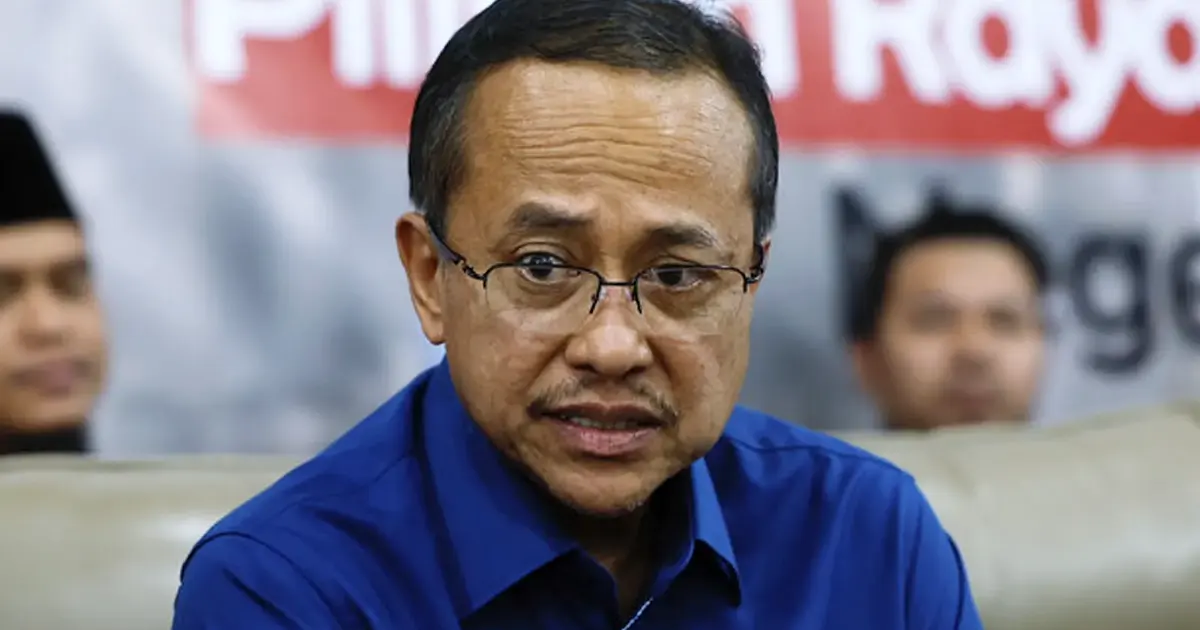
Perikatan Nasional's chairman has sought to ease mounting concerns regarding the simultaneous use of the coalition's logo by two of its component parties, PAS and Bersatu, arguing that carefully delineated electoral boundaries eliminate any risk of confusion at the ballot box. The reassurance comes as observers scrutinise the internal cohesion of the Malay-Muslim-dominated alliance, which has faced periodic strain over resource allocation and strategic direction since its formation ahead of the 2020 general election.
Samsuri's statement reflects a broader effort by PN leadership to present a unified front to supporters and the broader electorate, even as questions persist about whether the coalition's constituent parties can sustain their current partnership. The use of a shared symbolic identity by multiple parties within a coalition is common practice across Malaysian politics, yet the visibility of both PAS and Bersatu prominently adopting the PN emblem has prompted discussion about whether the arrangement signals underlying tensions or merely represents administrative efficiency.
The coalition's internal structure assigns different electoral territories to its members, a mechanism designed to prevent direct competition and duplicate candidatures. Under this arrangement, PAS typically fields candidates in predominantly rural and semi-urban constituencies where its organisational reach remains strongest, particularly across the northern states and parts of the east coast. Bersatu, by contrast, has concentrated its efforts in different geographical zones, leveraging the residual support it retains among segments of the Bumiputera middle class and certain Malay-majority urban constituencies.
This geographical division of labour has proven instrumental in PN's electoral strategy since the coalition secured substantial representation in the 2022 general election. Rather than competing against one another for the same seats, the parties function as complementary entities within a single electoral framework, each bringing distinct demographic and geographical advantages to the overall campaign. The simultaneous deployment of the PN logo by both organisations therefore represents a practical application of this agreed division, not a signal of competing interests.
For Malaysian voters and observers, understanding this internal arrangement becomes crucial when interpreting PN's apparent size and influence. Supporters encountering either a PAS or Bersatu candidate bearing the PN logo should understand these as expressions of the same electoral entity rather than rival factions. This clarity matters particularly in a political environment where coalition membership has become more fluid in recent years, with several defections and party-switching episodes having eroded public confidence in the stability of electoral alliances.
The PN coalition brings together parties with differing ideological emphases and organisational cultures. PAS carries a strong Islamic identity and grassroots mobilisation tradition extending back decades, while Bersatu was formed more recently by former United Malays National Organisation figures and has focused on appealing to reform-minded and younger segments of the Malay electorate. Their capacity to coexist under one banner while maintaining distinct brands represents a delicate equilibrium that leadership coordination seeks to preserve.
Samsuri's intervention also addresses broader regional implications for Malaysian coalition politics. As the country navigates multiple electoral cycles at federal and state levels, the mechanics of how alliances organise themselves carries significance for governance stability and policy implementation. Southeast Asian observers watching Malaysian politics often cite coalition management as a critical variable determining whether governments can deliver sustained policy execution or become mired in internal disputes that paralyse decision-making.
The question of logo usage might appear superficial to international observers, yet within Malaysian political culture it carries weight regarding coalition legitimacy and public communication. Voters making electoral decisions benefit from clarity about which parties form unified voting blocs and which represent genuinely independent alternatives. When multiple parties share visual branding without transparent explanation of their relationship, space opens for misunderstanding or deliberate manipulation of voter perception.
Looking forward, maintaining this clarity will become more important if electoral circumstances change. Should PN face pressure from stronger competing coalitions or experience shifts in popular support, the incentive structure that currently encourages peaceful co-existence between PAS and Bersatu might weaken. History demonstrates that coalition discipline erodes most quickly when electoral fortunes decline, making current assurances appear less meaningful to sceptics. The real test of whether confusion can be genuinely avoided will arrive in circumstances of genuine inter-party competition for limited resources or shifting voter allegiances.
For the broader Malaysian electorate, particularly first-time voters and those who pay limited attention to political mechanics, the statement offers reassurance that they need not fear being misled by confusing electoral signalling. Yet sophisticated observers recognise that coalition stability ultimately depends less on logo coordination than on the underlying material interests and policy alignment that bind member parties together. As long as this deeper alignment holds, visual branding represents mere administrative housekeeping. Should it fracture, no amount of shared logos will prevent confusion or electoral disruption.

