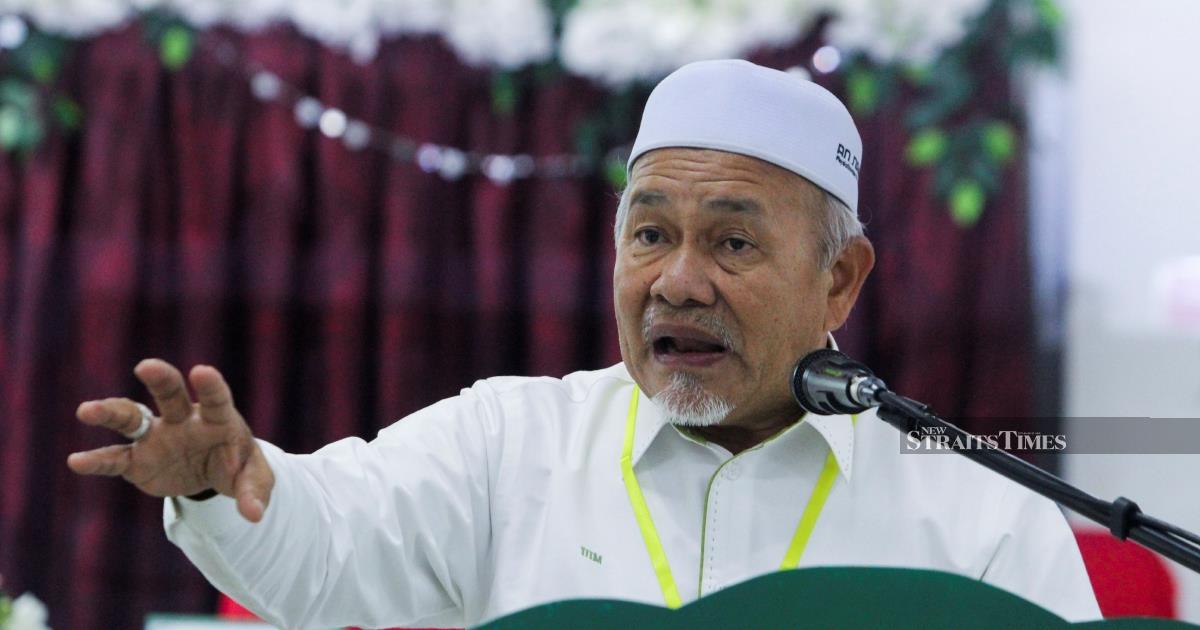
The campaign machinery of Perikatan Nasional and Barisan Nasional appears to be functioning as an integrated unit in Negri Sembilan, with coordination between the rival coalitions proceeding without significant disruption, Datuk Seri Tuan Ibrahim Tuan Man, the deputy president of PAS, indicated in Seremban.
The observation offers a snapshot of how two separate political alliances have managed the practical challenges of contesting elections in the same state while maintaining sufficient operational harmony. Such cooperation is notable given the historical tensions between PN and BN at the national level, with the current arrangement representing a departure from their previous competitive stance following the 2022 general election.
Tuan Ibrahim's characterisation of the arrangement as "smooth" extends beyond formal agreements to encompass the day-to-day interactions of party workers and volunteer networks operating in constituencies across the state. The ability of grassroots organisers from different coalitions to coordinate messaging, campaign events, and voter engagement without creating bottlenecks suggests that local party machinery has adapted to the political realignment more readily than high-level negotiations might have indicated.
This coordination reflects the pragmatic approach Malaysian political coalitions have adopted when working together at the state level. The partnership between PN and BN in Negri Sembilan reflects a broader shift in Malaysian politics, where traditional rivalries are being subordinated to immediate electoral objectives. For voters in the state, this means exposure to a relatively unified campaign front, which can simplify messaging but may also limit choice and debate among coalition partners.
The smooth functioning of joint campaign operations carries implications for how future electoral contests might be structured. If PN and BN can maintain this level of cooperation without significant friction, it could establish a template for other states considering similar arrangements. The Negri Sembilan experience demonstrates that the mechanics of coalition campaigns can be managed despite ideological and policy differences between partner organisations.
Grassroots coordination, which Tuan Ibrahim emphasised remains positive, typically involves sharing voter databases, coordinating door-to-door campaigns, scheduling campaign events to avoid overlap, and ensuring that campaign messaging reinforces rather than contradicts coalition objectives. The fact that this machinery has operated without public friction suggests that local party leaders have successfully navigated potential conflicts and established working protocols.
However, the statement also raises questions about the longevity of such arrangements and their underlying stability. Campaign periods often mask underlying tensions that may resurface after elections conclude. The willingness of PN and BN to cooperate in Negri Sembilan may reflect specific state-level calculations rather than a fundamental reconciliation of their national political differences and competing ambitions for federal power.
For Malaysia's broader political landscape, the successful operation of joint campaign machinery between PN and BN in Negri Sembilan demonstrates the flexibility of contemporary coalition politics. Rather than serving as a prelude to formal merger or permanent alliance, these arrangements represent tactical partnerships designed to achieve specific electoral outcomes. Understanding these distinctions is important for assessing the stability of Malaysia's current political configuration.
The statement from PAS leadership also carries weight because PAS itself serves as a bridge between the two coalitions in some states, giving the party insights into the operational temperature of both alliances. PAS's characterisation of relations as smooth therefore reflects internal assessments of how effectively different party machineries have been coordinating at ground level.
For voters and observers in Negri Sembilan, the positive assessment of campaign coordination between PN and BN suggests that the electoral contest, while contested, is unlikely to be disrupted by operational chaos or logistical conflicts between the two coalition camps. This stability in campaign mechanics, however, does not necessarily indicate alignment on substantive policy issues or long-term political direction.
The ongoing cooperation also reflects the maturity of Malaysian electoral practices, where competing political forces have developed mechanisms to manage simultaneous campaigns across multiple constituencies. As states continue to hold elections at different times, the capacity of coalitions to work together—even temporarily—becomes an increasingly important variable in determining campaign effectiveness and voter engagement levels.

