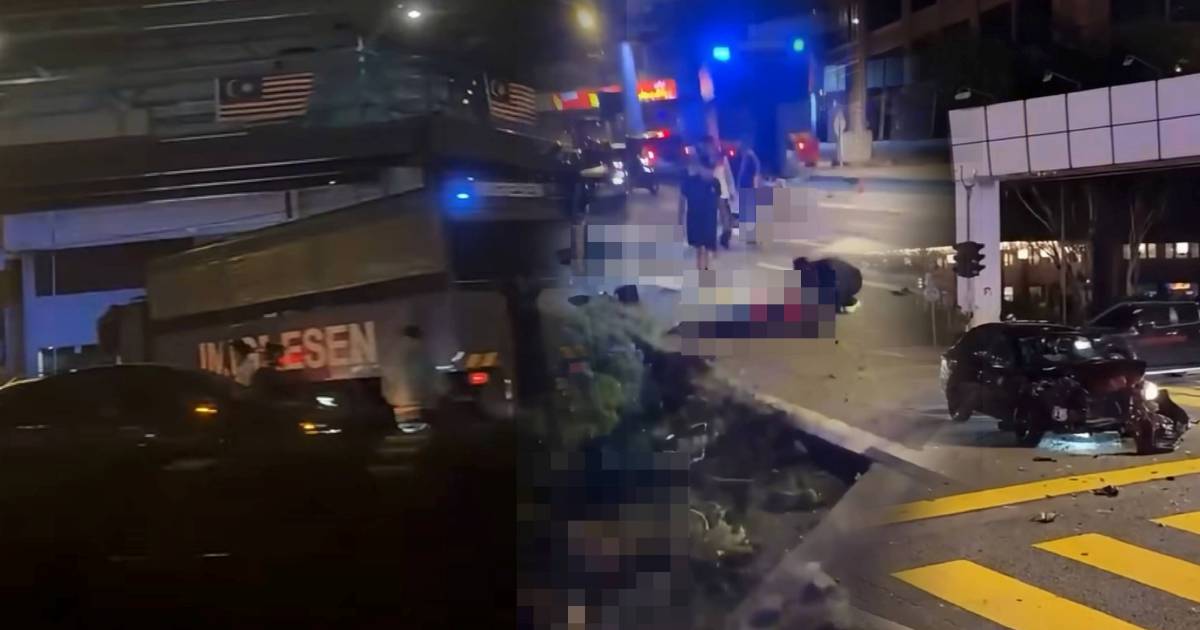
Prime Minister Datuk Seri Anwar Ibrahim has directed the Immigration Department to launch an immediate and comprehensive investigation into a fatal traffic collision involving one of its vehicles on Jalan Sultan Ismail in the early hours of today. The directive signals the government's commitment to establishing the exact circumstances surrounding the incident and identifying any lapses in vehicle operation or maintenance that may have contributed to the tragedy.
The collision, which claimed at least one life, has prompted swift action from the top level of government. Such high-level intervention reflects growing concerns about road safety standards across government agencies and the public sector more broadly. Fatal accidents involving official vehicles raise questions not only about individual driver conduct but also about institutional oversight, fleet maintenance protocols, and whether adequate safety measures are in place across government departments.
Jalan Sultan Ismail, one of Kuala Lumpur's main arterial routes connecting central business districts with residential areas, experiences substantial traffic volume throughout the day. The early morning timing of the incident adds another dimension to investigators' questions—whether fatigue, reduced visibility, or inadequate traffic conditions at that hour played a role in the collision. The busy nature of the corridor means that accidents here can have significant ripple effects on city traffic and commuter safety.
The Immigration Department operates a substantial fleet of vehicles used for operational duties across the country. These range from transport vehicles to mobile checkpoint units, many of which spend considerable time on Malaysia's highways. An investigation into this specific incident will likely examine whether the vehicle involved was roadworthy, whether the driver had adequate rest, and whether standard safety protocols were being observed at the time of the crash.
Fatal road accidents involving government vehicles frequently expose systemic issues that extend beyond individual incidents. Previous investigations into such crashes have sometimes revealed inadequate driver training, insufficient vehicle maintenance schedules, or poor enforcement of safety regulations within agencies. The thoroughness of this investigation may therefore set a precedent for how the government addresses similar incidents and whether it leads to broader reforms in public sector fleet management.
For Malaysian commuters and the general public, such accidents underscore the persistent challenges with road safety in the country. Despite ongoing campaigns and enforcement efforts, Malaysia continues to record a significant number of fatal traffic incidents annually. When government agencies are involved, the incidents become more visible and invite greater public scrutiny about whether those entrusted with managing public resources are themselves adhering to safety standards.
The investigation will likely involve multiple agencies including the Royal Malaysia Police traffic investigation unit, the Department of Occupational Safety and Health, and potentially the Land Public Transport Authority depending on the specific circumstances. This multi-agency approach helps ensure that the inquiry covers all relevant technical, operational, and regulatory aspects of the incident.
The PM's instruction for both immediacy and thoroughness reflects an effort to balance rapid fact-finding with comprehensive analysis. Quick preliminary findings can help address public concerns and identify any urgent safety issues that need immediate remediation across the Immigration Department's fleet. Meanwhile, a thorough investigation establishes a complete record that can inform policy changes and preventive measures going forward.
Questions will inevitably arise about whether this incident reveals broader problems with how government agencies manage their vehicle fleets and driver safety standards. If the investigation uncovers maintenance failures, inadequate driver vetting, or insufficient enforcement of seatbelt and safety regulations, it could prompt the government to conduct similar audits across other departments. Such systemic reviews, while time-consuming, can prevent future tragedies by addressing root causes rather than treating individual accidents as isolated events.
The families affected by this tragedy deserve answers about how the incident occurred and what measures can prevent similar losses. The public, meanwhile, has a legitimate interest in understanding whether government vehicles meet the same safety standards that are theoretically enforced on civilian drivers. This investigation provides an opportunity to address both concerns transparently and comprehensively.

