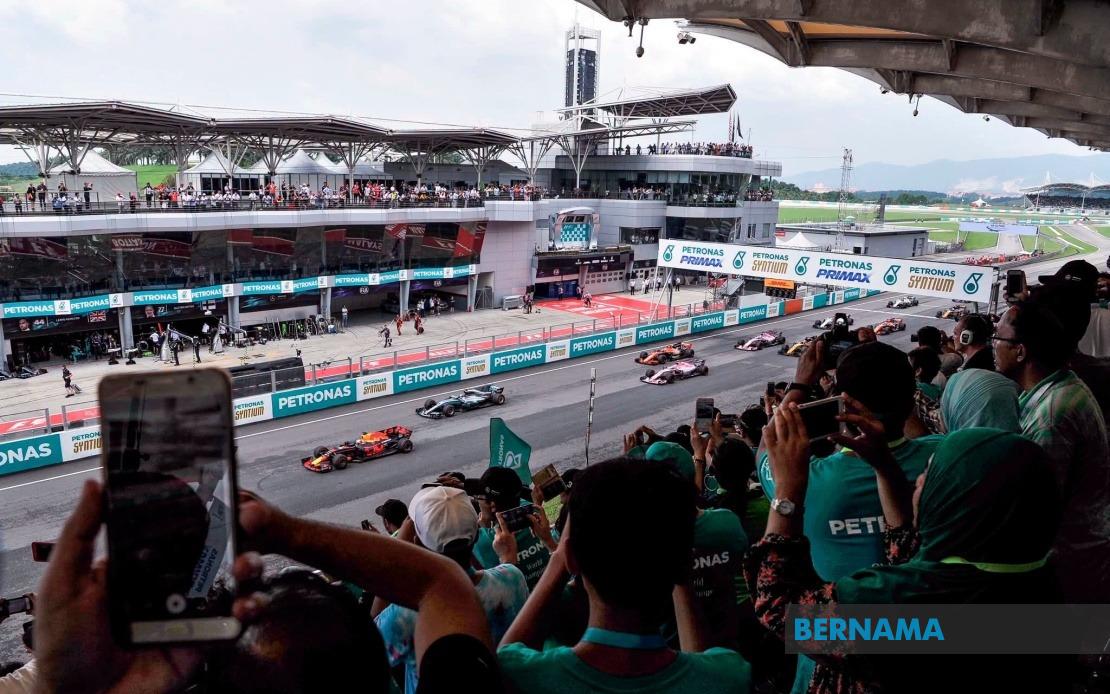
Prime Minister Datuk Seri Anwar Ibrahim has unveiled an initiative to make Formula 1 racing more accessible to ordinary Malaysians, unveiling special MADANI Tickets priced from just RM200 exclusively for MyKad holders attending the Gulf Air Bahrain Grand Prix at the Sepang International Circuit. The government-backed pricing structure, which provides full access across all three days of the October event, represents a significant reduction from typical commercial ticket pricing and signals the administration's commitment to making international sporting events available beyond the wealthy elite.
The announcement follows weeks of deliberation between Malaysian authorities and their Bahraini counterparts, culminating in a mutual agreement to extend subsidised ticketing to local residents. Anwar confirmed the initiative on social media, emphasising that the scheme aims to broaden Malaysians' opportunity to experience Formula 1 racing firsthand at their home circuit. The government pledged that the Sepang International Circuit would release additional details regarding ticket procurement and allocation mechanisms in the coming period.
This development marks a strategic pivot in Malaysia's approach to hosting major sporting events. After decades of investment in Formula 1 infrastructure, the country had seen its championship race disappear from the calendar in 2017, a casualty of mounting hosting expenses and expensive licensing arrangements that ultimately proved unsustainable. The Malaysian Grand Prix's departure left a notable gap in the nation's sporting calendar and represented a symbolic loss for the automotive-enthusiast community that had built Sepang into a world-class racing destination.
The 2026 Bahrain Grand Prix represents an unexpected opportunity to restore international motorsport prominence to the region. Originally scheduled for April at Bahrain International Circuit, the race was postponed to October following escalating geopolitical instability in West Asia, necessitating a relocation that advantageously positioned Sepang as an alternative venue. This pivot, while born from challenging regional circumstances, provides Malaysia an unexpected chance to recapture its position within Formula 1's global itinerary.
For Malaysian motorsport fans, the RM200 entry point carries profound implications. Standard Formula 1 tickets globally typically range from several hundred to several thousand ringgit depending on seating location and vantage point, placing live race attendance historically beyond the reach of middle and lower-income Malaysians. The MADANI Ticket scheme directly addresses this accessibility gap, democratising what has traditionally been an exclusive experience reserved for affluent patrons and corporate hospitality clients.
The initiative also reflects broader government philosophy regarding public participation in national events. By subsidising tickets through the MADANI framework—which emphasises inclusive growth and equitable access—the administration signals that major international sporting occasions should benefit ordinary citizens rather than solely commercial operators and wealthy spectators. This approach aligns with stated objectives of distributing prosperity more widely across society rather than concentrating benefits among established elites.
From a strategic economic perspective, subsidising domestic attendance serves multiple objectives beyond simple entertainment provision. Drawing large crowds enhances the event's spectacle for international broadcasters and reinforces Malaysia's reputation as a capable host nation. Sustained domestic enthusiasm for motorsport supports local automotive and engineering industries, while generating employment across hospitality, transportation, and service sectors. Additionally, extensive local attendance creates compelling visual narratives for global media coverage, showcasing Malaysian enthusiasm and infrastructure capabilities.
The timing of this announcement occurs amid Malaysia's broader efforts to position itself as a Southeast Asian hub for premium sporting and entertainment experiences. Recent hosting of major athletic competitions and entertainment events demonstrates deliberate strategy to establish the country as a destination for high-profile international gatherings. Restoring Formula 1 presence, even as a one-off venue for the Bahrain championship, contributes to this positioning while generating considerable domestic enthusiasm and international visibility.
For Sepang International Circuit specifically, the 2026 race provides opportunity for operational revival. The facility, which hosted the Malaysian Grand Prix annually from 1999 through 2017, had witnessed diminished activity following the championship race's removal. Resuming world championship motorsport operations at a substantially renovated facility demonstrates that Malaysia's racing infrastructure remains viable and internationally competitive, potentially opening pathways for future event hosting beyond the one-off Bahrain arrangement.
The logistics of implementing subsidised ticketing at scale will test Malaysian organisational capacity. Officials must coordinate procurement systems, manage demand from potentially hundreds of thousands of interested MyKad holders, and ensure equitable distribution while preventing ticket scalping or hoarding. Sepang International Circuit's upcoming announcements regarding application procedures and allocation mechanisms will reveal whether authorities have developed sufficiently robust systems to handle what could represent unprecedented demand for discounted premium sporting event access.
Regional context adds further significance to this initiative. Throughout Southeast Asia, Formula 1 continues commanding passionate followings, yet hosting opportunities remain limited. Singapore maintains the region's sole active championship round, hosting a prestigious night race that has become synonymous with luxury and exclusivity. Malaysia's return to the calendar, despite temporary status, offers the broader Southeast Asian motorsport community expanded access to the sport's premier competition while reinforcing the region's automotive credentials.
The MADANI Ticket scheme ultimately represents more than a generous subsidy for motorsport enthusiasts. It embodies a deliberate choice regarding how nations allocate resources and distribute opportunities for experiencing global sporting excellence. By prioritising accessibility and inclusive participation, Malaysia signals that international sporting events can serve broader social purposes beyond elite entertainment and corporate profit maximisation, potentially establishing a model that resonates across the region as other nations evaluate their own event hosting strategies.

