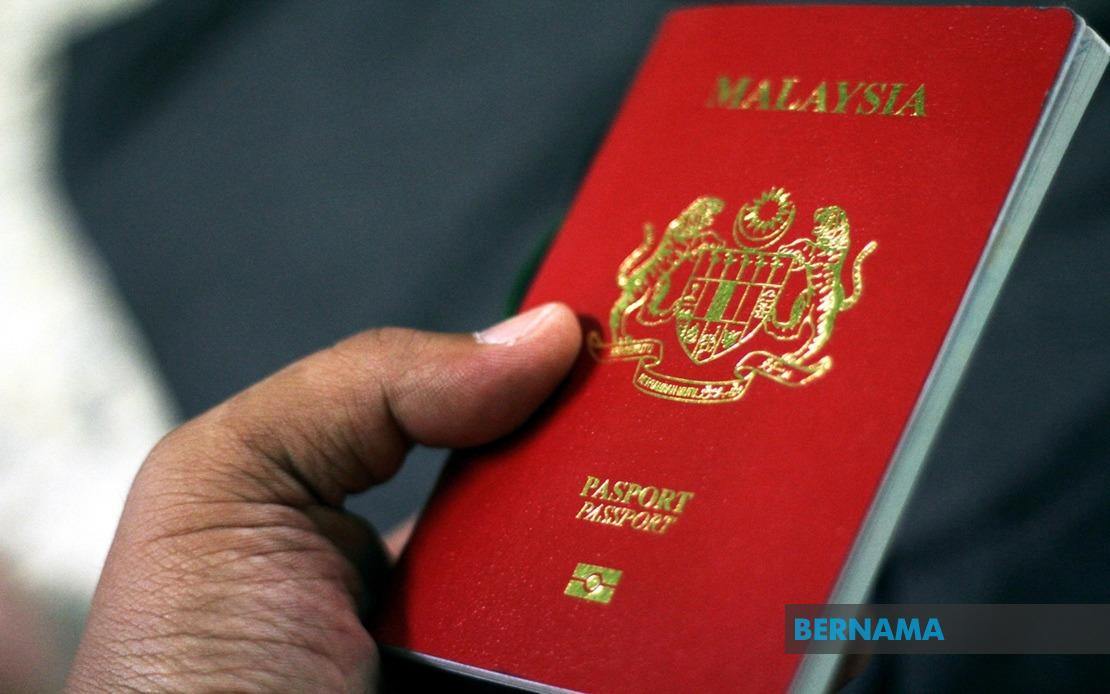
Prime Minister Datuk Seri Anwar Ibrahim will unveil Malaysia's substantially upgraded international passport at the Parliament lobby on Tuesday, marking a significant milestone in the government's push to modernise the country's identity and travel security infrastructure. The launch event comes as Malaysia continues to strengthen its identity document frameworks, reflecting both international best practices and the nation's commitment to safeguarding its citizens' credentials against increasingly sophisticated forgery techniques.
The reimagined Malaysian International Passport represents a substantial leap forward in protective design, incorporating 94 distinct security features compared to just 49 in the current version. This near-doubling of security measures positions the new document as considerably harder to counterfeit, addressing growing concerns about document fraud in an era when forged travel papers pose risks not only to individual travellers but to national security and border integrity across the region.
The enhanced passport incorporates several cutting-edge security elements designed to thwart modern counterfeiting methods. These additions include advanced holographic components that shift appearance when viewed from different angles, making duplication substantially more difficult for would-be forgers. Ultraviolet printing technologies have also been integrated, creating hidden layers visible only under specialised equipment that standard counterfeiters are unlikely to possess. Beyond visual security, the document features concealed visual elements strategically positioned throughout the booklet to serve as verification checkpoints for immigration and border officials.
Further sophistication comes through specialised forensic security features embedded throughout the document, enabling authorities to authenticate passports using laboratory-grade analysis if needed. The binding thread that holds the passport booklet together has undergone enhancement to incorporate security properties, preventing easy separation and resealing—a common tampering technique. Additionally, designers have created unique layouts for each individual page within the booklet, eliminating the possibility of simply replacing pages with fraudulent alternatives, as would be possible with identical page designs.
This development forms part of a broader government initiative announced earlier this year by Home Minister Datuk Seri Saifuddin Nasution Ismail, who outlined plans to introduce comprehensively redesigned passports and MyKad identity cards. That announcement signalled the administration's recognition that Malaysia's identity document ecosystem requires ongoing modernisation to maintain international security standards and protect citizens in an interconnected world where document fraud can facilitate transnational crime, human trafficking, and terrorism financing.
Malaysia's passport credentials carry particular weight in global rankings. According to the Passport Index's 2025 assessment, the Malaysian International Passport ranks as the world's third most powerful travel document, granting holders visa-free or visa-on-arrival access to an extensive network of countries. This elevated standing reflects both the stability of Malaysia's diplomatic relationships and the general trustworthiness associated with the document itself. However, maintaining this reputation requires continuous security enhancements to prevent the credential from being undermined by sophisticated counterfeiting operations.
The security upgrade addresses real and growing threats. Passport fraud has become increasingly lucrative for criminal organisations, with forged and stolen documents commanding significant prices on dark web markets. A compromised passport can be weaponised for illegal border crossings, identity theft, financial crimes, and more serious offences. For a nation like Malaysia, which serves as a transportation hub and regional economic centre with significant cross-border flows of people and goods, maintaining document integrity is both an economic and security imperative.
For Malaysian citizens, the practical implications of this upgrade will become apparent as old passports expire and holders renew their documents. Immigration officials at Malaysian airports and border crossings will gain access to more sophisticated verification tools, potentially speeding processing while simultaneously making document forgery increasingly unviable. International immigration partners, particularly in ASEAN nations and other key trading partners, will benefit from enhanced confidence in Malaysian travel documents, potentially facilitating smoother border experiences for Malaysian travellers.
The timing of this launch reflects Malaysia's broader positioning within the Southeast Asian region. As ASEAN moves toward greater integration through initiatives like the ASEAN Travel Document framework and enhanced regional cooperation on security matters, individual member states are upgrading their documentation systems in parallel. Malaysia's move demonstrates commitment to maintaining security standards consistent with neighbouring economies and international expectations, particularly important given Malaysia's role as a major transit point for regional business travel and tourism.
The initiative also carries implications for Malaysia's position on the global stage regarding document security governance. International bodies increasingly scrutinise member states' identity document security, and enhanced passports contribute to Malaysia's compliance with international civil aviation organisation standards and international maritime organisation protocols. These compliance frameworks, while often invisible to ordinary citizens, form the backbone of global security arrangements that protect travellers and facilitate legitimate commerce.

