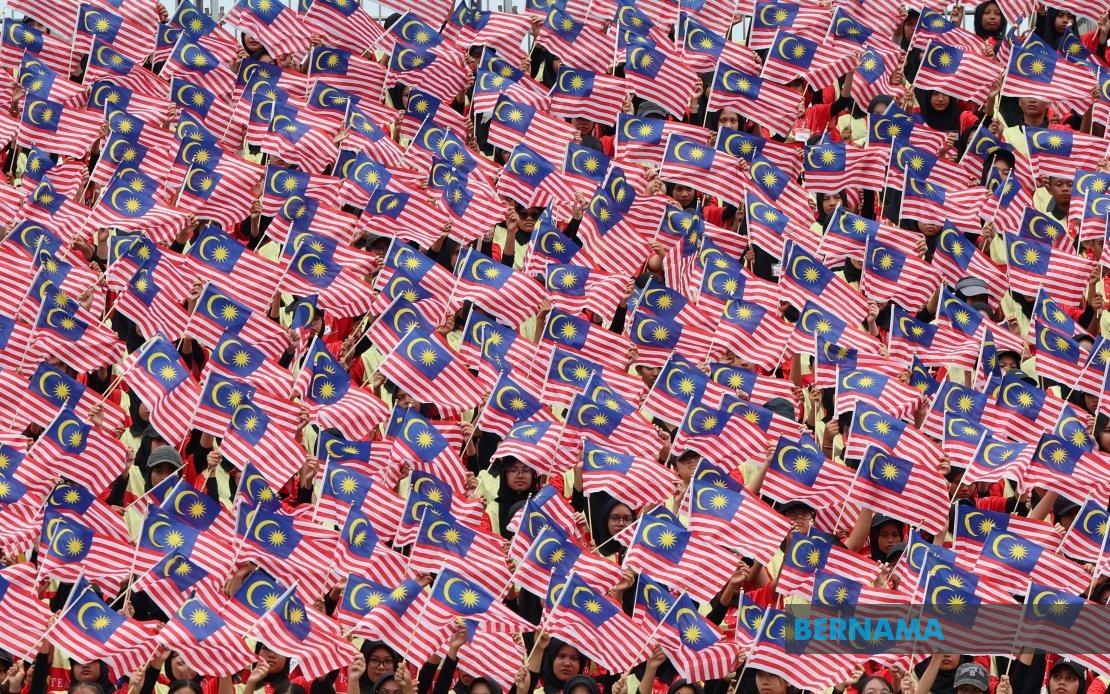
Prime Minister Datuk Seri Anwar Ibrahim will officially launch the 2026 National Month and Fly the Jalur Gemilang Campaign on July 19 at the Sultan Azlan Shah Institute of Health Training in Tanjung Rambutan, Ipoh. The ceremony, organized as part of the broader National Day and Malaysia Day 2026 (HKHM2026) preparations, is anticipated to attract approximately 3,000 participants, including members of the MADANI Community, trainees, and staff from the health training institute.
According to Perak State Government Corporate Division Principal Assistant Secretary Anita Amri, the launch represents a significant step in building momentum toward the country's major national celebrations next year. The event reflects the government's commitment to fostering national pride and unity across the diverse Malaysian population as the nation approaches its significant commemorative dates. The timing of the campaign launch underscores the administration's intention to establish a prolonged period of patriotic engagement throughout the coming months.
While the ceremony itself is limited to invited attendees and registered participants, the government has made provisions for wider public engagement through multiple broadcast channels. Citizens nationwide will be able to follow proceedings live on Radio Televisyen Malaysia and Bernama television, ensuring that the message of national pride reaches beyond the venue's physical boundaries. Additionally, the Ministry of Communications and the Department of Information Malaysia will stream the event on their official Facebook pages, leveraging social media platforms to extend the campaign's reach to younger demographics and digitally connected Malaysians.
To facilitate public access to reliable information surrounding the celebrations, the Ministry of Communications has launched the Merdeka360 Portal, a centralized digital platform designed to consolidate details about the National Day and Malaysia Day 2026 festivities. This initiative responds to the need for accurate, up-to-date information in an era where misinformation can spread rapidly. The portal serves as an official reference point for Malaysians seeking authentic details about upcoming events, schedules, and participation opportunities related to the national celebrations.
The centrepiece of the campaign is the Fly Jalur Gemilang initiative, which forms part of the broader 1 Rumah 1 Jalur Gemilang effort—a nationwide drive encouraging households, businesses, and vehicles to display the Malaysian flag. Anita emphasized that purchasing and displaying the national flag serves as a tangible expression of patriotism and national identity. The campaign seeks to transform the symbolic gesture of flag-flying into a visible demonstration of collective pride, creating a landscape where the red-and-white banner becomes ubiquitous across homes, workplaces, and public spaces.
Maintaining flag dignity represents a critical component of this patriotic initiative. Anita stressed the importance of ensuring that displayed flags remain in pristine condition, urging the public to replace worn, faded, or damaged standards with new ones. This emphasis on flag maintenance reflects a broader philosophical approach to patriotism—one that views respect for national symbols as inseparable from genuine love of country. The directive effectively serves as a reminder that national pride must be accompanied by conscientious stewardship of the symbols representing the nation.
Beyond individual households, the campaign aims to activate community-level patriotism by encouraging Malaysians to inspire those around them to participate. Anita called upon residents to motivate family members, friends, neighbours, and broader community networks to join the flag-flying movement. This grassroots approach recognizes that sustained patriotic sentiment often emerges through personal influence and peer encouragement rather than top-down directives alone. The strategy leverages existing social networks to amplify the campaign's organic reach and cultural embedding.
Social media platforms are positioned as essential tools for spreading the patriotic message and achieving broader participation. Anita encouraged Malaysians to utilize Facebook, Instagram, Twitter, and other digital channels to share photographs, stories, and messages celebrating the spirit of the campaign. This call to action acknowledges that modern patriotism frequently manifests through digital sharing and online community engagement. By transforming the flag-flying campaign into a social media phenomenon, the initiative can generate viral momentum and attract participation from demographics that might otherwise remain disconnected from traditional government communications.
Communications Minister Datuk Seri Fahmi Fadzil previously announced that the theme for this year's celebrations would be "Malaysia MADANI: Kesejahteraan Dinikmati" (Malaysia MADANI: Shared Prosperity). This thematic choice reflects the government's emphasis on inclusive development and equitable benefit-sharing across all segments of Malaysian society. The Malaysia MADANI logo, which has become synonymous with the administration's broader policy agenda, will continue serving as the official symbol for the celebrations extending into 2026, ensuring visual consistency and reinforcing the connection between national festivities and government priorities.
The planned National Day celebrations themselves will take place at Dataran Putrajaya on August 31, 2026, and will be conducted on a modest scale while endeavouring to maintain a vibrant, celebratory atmosphere. This approach differs from some previous years' elaborate productions, reflecting either budgetary considerations or a deliberate pivot toward community-driven rather than state-directed pageantry. The decision to scale back production elements while maintaining celebratory spirit suggests a recalibration of how the government balances ceremonial importance with fiscal responsibility and authentic grassroots engagement.
For Malaysian observers, the campaign represents an intriguing moment in the country's patriotic landscape. The emphasis on household-level flag displays and community mobilization suggests a government strategy that seeks to democratize national pride rather than concentrate it in singular, high-profile state events. As Malaysia approaches 2026, these celebrations will unfold within a specific political and social context—one shaped by ongoing debates about national unity, cultural identity, and the relationship between state-sponsored patriotism and genuine citizen engagement. The success of the Fly Jalur Gemilang campaign will largely depend on whether Malaysians embrace it as an authentic expression of national feeling or perceive it as politically instrumentalized symbolism.

