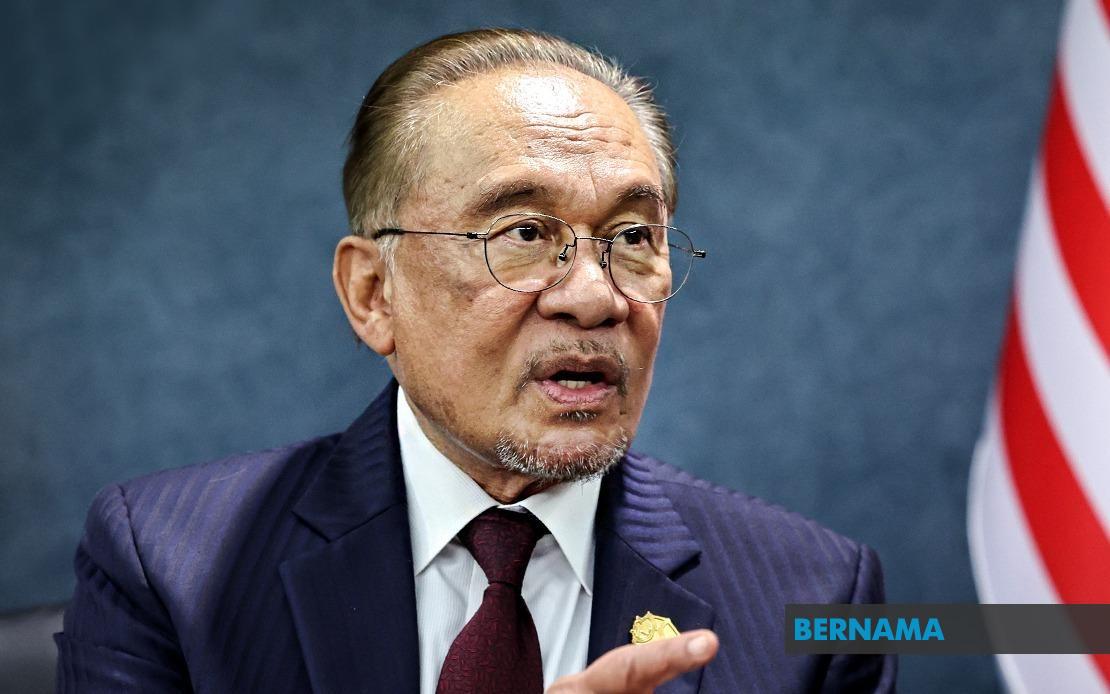
Prime Minister Datuk Seri Anwar Ibrahim is set to deliver a keynote address at the ASEAN-Russia Business Forum in Kazan, underscoring Malaysia's active role in deepening regional partnerships with Moscow. The forum, held at Kazan IT Park, represents a significant moment for business engagement between Southeast Asian economies and Russia, with Anwar expected to highlight opportunities for commercial cooperation and investment across multiple sectors.
The visit carries particular weight given Anwar's dual portfolio as both Prime Minister and Finance Minister, positioning him to discuss economic frameworks and fiscal considerations that could facilitate stronger bilateral and multilateral business ties. His participation signals Malaysia's commitment to leveraging the ASEAN platform for advancing national economic interests while contributing to the broader regional strategy of engaging Russia across political, security, and commercial dimensions.
The ASEAN-Russia relationship has matured considerably since 1991 when dialogue relations were first established. Russia's elevation to full Dialogue Partner status in 1996, followed by the designation of Strategic Partnership in 2018, reflects the mutual commitment both sides have demonstrated to expanding cooperation. This year's summit holds particular significance as it marks the 35th anniversary of these dialogue relations, making it an opportune moment to reassess the partnership and chart new directions for collaboration.
Kazan itself provides a symbolically apt venue for such engagement. Situated where the Volga and Kazanka rivers converge in European Russia approximately 800 kilometres east of Moscow, the city of roughly 1.3 million residents serves as Russia's cultural and commercial bridge to the Islamic world. As a centre with more than a millennium of history, Kazan embodies Islamic heritage and traditions that resonate with Southeast Asian cultures, creating natural common ground for dialogue and mutual understanding between ASEAN nations and Russia.
The economic dimension of ASEAN-Russia engagement warrants close attention from Malaysian policymakers and business stakeholders. In 2024, bilateral trade between ASEAN and Russia reached USD18.1 billion, demonstrating the substantial commercial interests at play despite geopolitical challenges and international sanctions that have affected Russia's economic relationships globally. Russian foreign direct investment in ASEAN stood at USD92.97 million, suggesting room for significant expansion if conditions improve and confidence in investment frameworks strengthens.
Malaysia's position within this regional economic architecture reflects broader Southeast Asian diversification strategies. As Russia's ninth-largest trading partner among European nations, Malaysia recorded bilateral trade worth RM8.72 billion (USD2.04 billion) in 2025. This places Russia among Malaysia's significant but not dominant trading partners, indicating both established commercial relationships and untapped potential for growth through strategic initiatives and partnerships facilitated by forums such as the ASEAN-Russia summit.
The composition of Malaysia-Russia trade reveals complementary economic strengths. Malaysian exports to Russia centre on electrical and electronic products, machinery, equipment components, and processed food items—sectors in which Malaysia possesses competitive advantages and established supply chains. Meanwhile, Malaysian imports from Russia emphasise petroleum products, mineral resources, chemicals, and chemical-based products—commodities where Russia maintains substantial reserves and production capacity. This trade structure suggests natural economic interdependencies that could expand through improved logistics, reduced trade barriers, and enhanced business partnerships.
Beyond the business forum, Anwar's participation in the ASEAN-Russia Commemorative Summit Gala Dinner at the Tatar State Academic Theater provides an opportunity for high-level political engagement. His scheduled courtesy call on Russian President Vladimir Putin reflects Malaysia's diplomatic prioritisation of maintaining direct channels with Russian leadership, essential for navigating complex geopolitical dynamics and ensuring Malaysian interests receive adequate attention within Russia's regional strategy.
For Malaysian businesses and policymakers, the forum represents a platform to explore sectoral opportunities ranging from technology and digital innovation—symbolised by the IT Park venue—to traditional trade and investment partnerships. The gathering brings together representatives from all ASEAN member states alongside Russian government officials and private sector leaders, creating networking opportunities that can translate into specific commercial arrangements, joint ventures, and long-term partnerships.
The timing of the summit reflects ASEAN's strategic approach to maintaining balanced relationships across major powers. While the association has developed deeper ties with traditional partners including the United States and European nations, engagement with Russia remains important for regional stability and economic diversification. Malaysia's active participation underscores the country's commitment to this balanced approach, ensuring that Southeast Asian interests are articulated directly to Russian decision-makers.
Looking forward, the success of the Kazan summit and its business forum will likely influence the trajectory of ASEAN-Russia relations over coming years. Tangible outcomes—whether new trade agreements, investment commitments, or enhanced cooperation frameworks in technology and energy sectors—could meaningfully impact Malaysian economic prospects and regional prosperity. The forum thus serves not merely as a diplomatic courtesy but as a substantive venue for advancing the economic partnership between Southeast Asia and Russia in ways that benefit Malaysian companies, workers, and consumers.