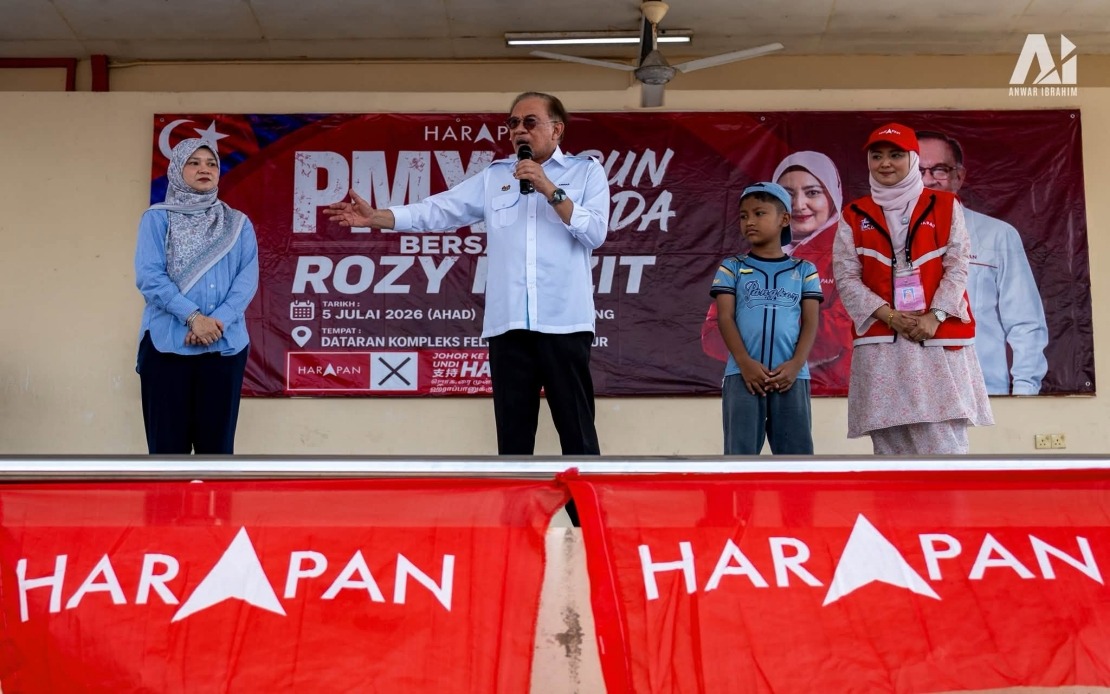
Prime Minister Datuk Seri Anwar Ibrahim has reflected on an encounter that left a lasting impression during a recent visit to Felda Palong Timur in Segamat, describing how a nine-year-old boy's determination to meet him revealed the profound impact that small gestures of recognition can have on ordinary Malaysians. The story of Muhammad Afif Ikhwan, who travelled through an oil palm plantation with his grandmother to attend the programme, prompted Anwar to reach out personally, sending an emissary to present the boy with a bicycle as a token of appreciation for his inspiring perseverance.
The encounter itself was brief but meaningful. As Afif navigated through the crowd at the Felda event, he extended his hand to the Prime Minister, managing to secure a handshake before being invited onto the stage. For a young boy from a modest background, this moment represented far more than a fleeting contact with the nation's leader. It embodied the possibility of connection across the vast divide between the highest office and the everyday experiences of Malaysian citizens, particularly those in rural communities.
What transformed this incident from a routine political engagement into something noteworthy was the backstory. Afif's grandmother, Rosimah Mohammad, aged 58 and residing in Kampung Pudu, Segamat, had made the deliberate choice to ride a motorcycle along challenging terrain through oil palm plantation tracks. Her determination to grant her grandson this opportunity underscored a family sacrifice that caught the Prime Minister's attention and moved him to follow up with a personal gesture of his own.
Anwar's reflection on the episode, shared through a Facebook post, emphasised that what might be dismissed as a trivial ambition in the eyes of adults possessed considerable weight and significance for the child involved. He characterised the episode as a reminder that even amidst the demanding responsibilities of governance, particularly when confronting major national challenges, leaders must retain their capacity for empathy and their commitment to recognising the aspirations of their citizens.
The Prime Minister's response demonstrates an understanding of the symbolic importance of accessibility in leadership. In an era when political distance often feels insurmountable, and when many citizens—particularly in rural areas with limited direct exposure to national figures—may struggle to imagine meaningful connection with those in power, such moments of personal recognition carry disproportionate significance. For a boy of nine, the memory of shaking hands with his nation's Prime Minister becomes an anchoring point, a tangible reminder that he and his family matter within the broader national narrative.
Anwar expressed hope that this encounter would crystallise into a cherished memory for Muhammad Afif, one capable of inspiring him throughout his academic journey and beyond. The gesture of the bicycle extends this beyond the symbolic realm into the practical, providing the boy with a tangible reminder of the exchange while simultaneously supporting his daily mobility. Such gestures, when coupled with genuine recognition, can influence a young person's trajectory by reinforcing messages about the value of ambition and the responsiveness of institutions to individual effort.
The incident also carries broader implications for how Malaysian political leadership engages with rural constituencies. Felda communities, representing a significant demographic within Malaysia's agricultural landscape, often feel peripheral to the national conversation despite their historical importance to the country's development. Stories of this nature, when amplified through the Prime Minister's own channels, serve to validate these communities and their concerns within the national consciousness, though questions remain about whether such symbolic gestures translate into substantive policy attention.
Furthermore, the narrative highlights intergenerational bonds within Malaysian families and the willingness of older family members to facilitate their grandchildren's aspirations. Rosimah's decision to navigate difficult terrain demonstrates the cultural values of sacrifice and encouragement that remain central to many Malaysian households, particularly in rural settings. Her actions, enabling rather than discouraging her grandson's ambitions, reflect broader patterns of familial investment in young people's futures.
The Prime Minister's comments about maintaining compassion and humanity in leadership, framed against the backdrop of managing complex national affairs, resonate with a public discourse increasingly concerned about whether political institutions remain connected to the lived experiences of ordinary Malaysians. By elevating this human-interest moment and reflecting upon its significance, Anwar signals an intention to remain accessible and emotionally responsive, qualities often sought in leaders but frequently perceived as absent in practice.
Moving forward, how such encounters influence policy and institutional responsiveness remains an open question. While the bicycle represents genuine generosity, the sustainability of improved opportunities for children in communities like Kampung Pudu depends upon systemic improvements in education, rural infrastructure, and economic mobility—challenges that individual acts of recognition cannot alone address. Nevertheless, such stories serve an important function in maintaining public confidence that those in leadership positions retain awareness of and sensitivity to the aspirations of their constituents, a consideration that holds particular weight in a diverse democracy navigating complex developmental challenges.

