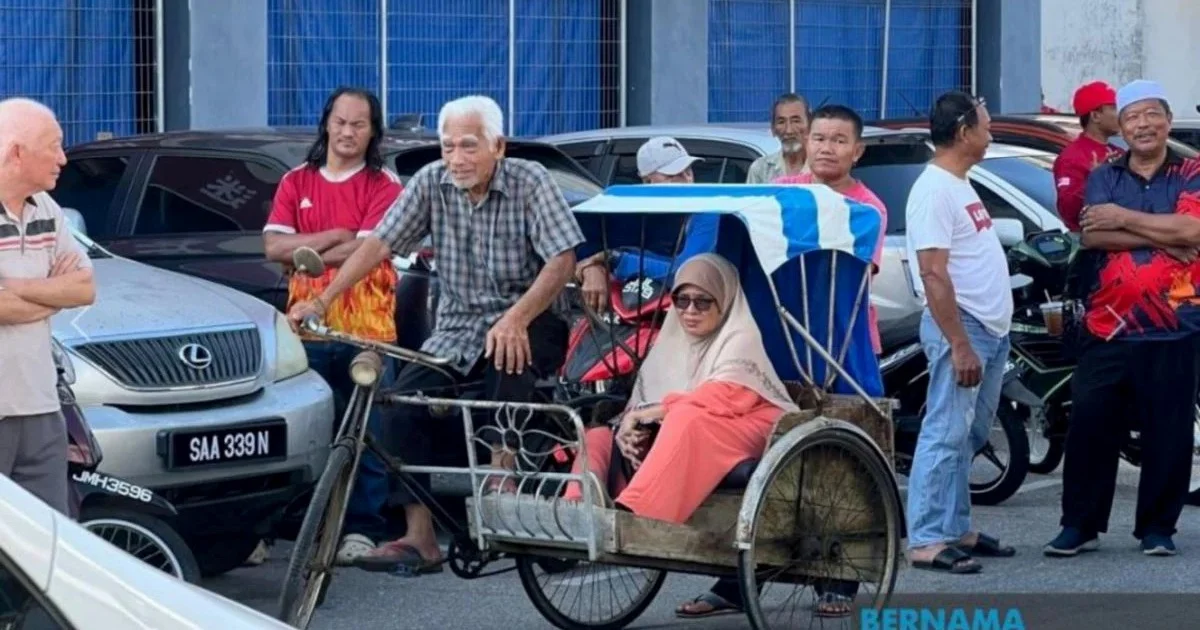
Prime Minister Datuk Seri Anwar Ibrahim has expressed profound gratitude to an 86-year-old trishaw operator whose determined effort to bring his wife closer to the head of government exemplifies the enduring bonds between ordinary Malaysians and their leaders. The senior citizen pedalled his trishaw nearly a kilometre to fulfil what had become an important personal wish for his spouse—the opportunity to be in the presence of Anwar Ibrahim himself.
The encounter reflects a deeply rooted aspect of Malaysian political culture where citizens, particularly from older generations, regard meeting national leaders as a meaningful and sometimes once-in-a-lifetime experience. For this elderly couple, the desire transcended mere sightseeing; it represented a connection to the nation's highest office and, by extension, to the country's ongoing story. The wife's wish had motivated her husband to undertake physical exertion that would be challenging for anyone at that age, let alone a manual labourer whose livelihood depends on operating a human-powered vehicle.
Trisaws remain an iconic yet increasingly rare fixture in Malaysian cities, particularly in Kuala Lumpur. These three-wheeled pedal vehicles, once ubiquitous for short-distance passenger transport, have largely given way to motorcycles, taxis, and ride-hailing services over the past two decades. The presence of an 86-year-old still actively pedalling a trishaw underscores both the persistence of traditional trades and the economic challenges faced by elderly workers who lack adequate retirement provisions. Many such operators continue working well into their senior years because pension systems remain inadequate, making this anecdotal encounter a subtle reminder of broader social welfare questions.
Anwar Ibrahim's public acknowledgment of this gesture carries significance beyond a simple thank-you. As Prime Minister, his response to grassroots gestures shapes public perception of his accessibility and connection to ordinary Malaysians. By expressing gratitude, he reinforces an image of humility and recognition for the sacrifices of his constituents, particularly the elderly. This brand of politics—acknowledging and honouring small acts of determination from citizens—remains powerful in Malaysian society where personal touches are valued alongside policy announcements.
The story also illuminates generational attitudes within Malaysian society. The elderly generation, many of whom lived through Malaysia's independence and early nation-building decades, often harbour a particular reverence for high political office. For them, meeting a prime minister represents something more ceremonial and significant than younger, more sceptical generations might regard it. This couple's determination to bridge the gap between everyday life and the seat of power reflects values shaped by their formative years during pivotal moments in the nation's history.
The encounter raises implicit questions about the physical accessibility of public figures and civic engagement. An 86-year-old man pedalling a trishaw to see the Prime Minister paints an poignant picture of the barriers—whether logistical, economic, or social—that separate ordinary citizens from their leaders. Malaysia, like many democracies, struggles with ensuring that access to political figures remains equitable and that citizens of all backgrounds feel genuinely represented.
From a practical standpoint, this anecdote demonstrates why public figures' engagement with constituents matters beyond rhetoric. When leaders take time to acknowledge personal gestures, particularly from elderly citizens or those facing economic hardship, it generates tangible recognition of their struggles and contributions to society. In an era dominated by digital communication and formal government channels, such personal moments carry disproportionate emotional weight and significance.
The narrative also touches obliquely on the economic realities facing Malaysia's ageing workforce. As the population ages and pension adequacy remains a persistent challenge, stories like this will likely become more common unless comprehensive social protection measures are strengthened. The fact that an octogenarian continues manual work highlights gaps in Malaysia's social safety net that policymakers continue to grapple with.
Anwar Ibrahim's response to this encounter represents an opportunity to demonstrate leadership that extends beyond policy frameworks to genuine human connection. Whether such moments translate into substantive policy changes remains another question, but the acknowledgment itself serves an important social function by validating the experiences and efforts of older Malaysians who have built the nation.
The elderly trishaw rider's story ultimately encapsulates themes central to Malaysian society: respect for tradition, the persistence of informal economies, the resilience of older generations, and the enduring cultural significance of direct engagement with political leadership. His wife's wish and his determination to fulfil it, met with the Prime Minister's gratitude, creates a small but meaningful intersection between public office and private aspiration that resonates across Malaysia's diverse communities.

