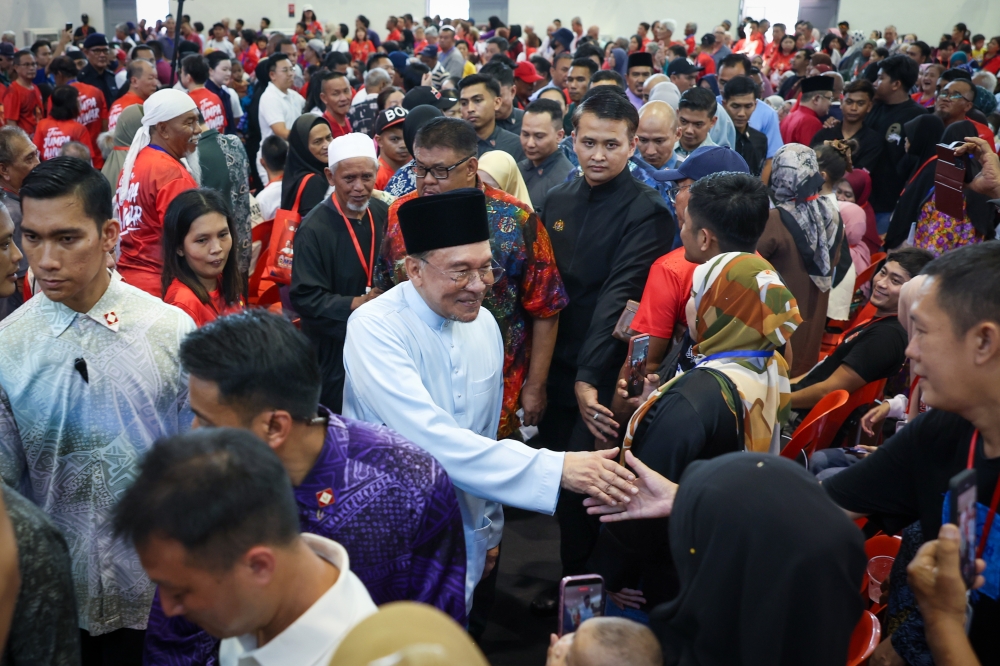
Prime Minister Datuk Seri Anwar Ibrahim is currently receiving medical attention following a scheduled round of examinations and therapeutic procedures, according to an announcement made by his office on Thursday. The Prime Minister's Office has officially confirmed that the sitting Prime Minister will be subject to a two-day specialist observation protocol, during which time various diagnostic assessments and treatments are being administered by senior medical personnel.
While the exact nature of the health concerns prompting these investigations has not been disclosed in full detail, the PMO's statement emphasises that the procedures are part of routine preventative care and ongoing medical management. The decision to announce the medical engagement reflects the government's commitment to transparency regarding the health status of the nation's chief executive, a matter of considerable constitutional and public significance given the operational demands of the Prime Minister's office.
The observation period represents a structured approach to ensuring comprehensive evaluation by specialist physicians. Malaysia's political establishment has long recognised the importance of maintaining detailed health records for senior state officials, particularly those holding the highest executive positions. This protocol allows medical teams to conduct thorough assessments without interruption while permitting the Prime Minister to remain informed of critical national matters.
The timing of these medical examinations underscores the intensive nature of Malaysia's highest political office. Prime Ministers typically face relentless schedules encompassing cabinet meetings, parliamentary sessions, bilateral engagements, and ceremonial obligations that span from early morning briefings through late evening state functions. Regular health monitoring serves both to safeguard the individual officeholder and to provide reassurance to the broader citizenry regarding governmental continuity and stability.
For Malaysian citizens and regional observers, confirmation of such medical interventions carries weight beyond the personal sphere. The Prime Minister's capacity to discharge constitutional duties remains central to the functioning of Malaysia's Westminster-derived parliamentary democracy. Any extended health complications could theoretically necessitate invocation of constitutional succession mechanisms, though no indication of such scenarios has emerged from official statements.
The PMO's proactive communication approach reflects contemporary standards in political transparency, particularly across Asia-Pacific democracies where public disclosure of leadership health matters has become increasingly routine. This contrasts sharply with historical practice in some nations where official silence surrounded such matters entirely. By confirming the medical engagement without extensive detail, Malaysian authorities balance legitimate public interest against personal privacy considerations.
Regional political analysts have noted that maintaining visible operational continuity proves essential during periods when the Prime Minister is unavailable for public appearances. Malaysia's governmental machinery includes elaborate deputy structures and ministerial delegation protocols specifically designed to ensure executive function continues uninterrupted. The Cabinet and various government agencies maintain established mechanisms for handling routine administrative decisions during brief periods of reduced Prime Ministerial engagement.
The two-day duration specified by the PMO suggests a contained medical intervention rather than an extended health crisis. Specialist observation periods of this length typically allow for diagnostic imaging, laboratory analysis, and potentially minor therapeutic procedures under close medical supervision. The precision of this timeframe indicates careful medical planning and probably reflects confidence among attending physicians regarding the prognosis.
For Malaysia's regional standing and international relationships, confirmation that the Prime Minister remains under active medical care presents no apparent complications to diplomatic or trade engagements. Most Southeast Asian nations and major trading partners understand that periodic health management represents a normal aspect of executive leadership. If any significant delegations or state visits had been scheduled during this window, the PMO would likely have made appropriate advance arrangements to ensure continuity.
The broader political context remains important for interpretation. Malaysia has experienced multiple transitions in prime ministerial leadership across recent decades, with questions of succession and constitutional mechanisms occasionally generating public discussion. The current administration, led by Datuk Seri Anwar Ibrahim, has thus far maintained broad parliamentary support, and no substantive challenges to governmental stability have emerged despite the ongoing medical engagement.
Observers note that transparency in such matters ultimately strengthens public confidence in institutional stability. When governments voluntarily disclose health information regarding senior officials, this tends to forestall speculation and misinformation that might otherwise circulate through unofficial channels. The PMO's confirmation therefore serves a stabilising function within Malaysia's broader political ecosystem.
Looking forward, the completion of this two-day observation period will likely result in further official communication regarding the Prime Minister's status and return to full public-facing duties. Malaysian parliamentary convention and media practice suggest that barring any complications, the PMO will provide clarification regarding medical findings and any necessary ongoing management protocols. Such communication maintains the institutional normalcy essential to democratic governance.

