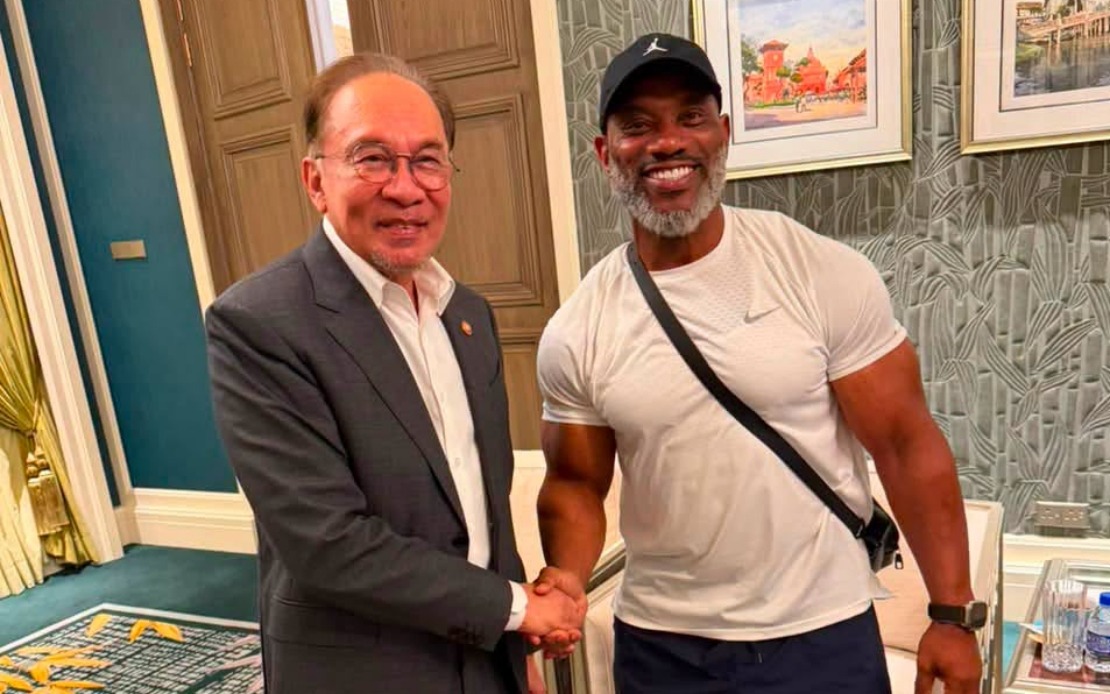
Prime Minister Datuk Seri Anwar Ibrahim expressed his enthusiasm after meeting Dexter Jackson, one of the world's most accomplished bodybuilders, during an encounter in Kuala Lumpur on July 1. The Prime Minister marked the occasion with a social media post that included a photograph of the two shaking hands, injecting a dose of humour into the brief meeting by suggesting that the encounter had inspired him to resume his fitness regimen.
Jackson, now 56 years old, remains one of the most decorated figures in competitive bodybuilding history. His most prominent achievement came in 2008 when he secured the Mr Olympia title, widely considered the sport's most prestigious championship. Four years later, at an age when most athletes have largely retired from elite competition, Jackson demonstrated his continued dominance by winning the Masters Mr Olympia crown in 2012, a category reserved for competitors over 50 and showcasing the enduring physical conditioning of older champions.
Beyond his individual Olympia victories, Jackson holds a remarkable record in another major bodybuilding competition. The Arnold Classic, named after former actor and California Governor Arnold Schwarzenegger, represents the second-most important championship in the sport. Jackson has captured this title nine times throughout his career, a haul that stands as the competition's all-time record and reflects his extraordinary consistency and longevity at the highest levels of competitive bodybuilding across multiple decades.
The Prime Minister's decision to publicly acknowledge meeting Jackson through a Facebook post illustrates a broader trend among Malaysian political leaders of engaging with social media to humanise their public image and connect with constituents on matters beyond formal governance. The light-hearted tone of Anwar's comment about needing to return to the gym reflects a relatable sentiment that resonates with many Malaysians navigating the challenges of maintaining fitness amidst demanding professional schedules.
For context, Dexter Jackson's career spans an era of significant evolution in bodybuilding. His success coincided with periods of intense competition from other notable athletes, yet his ability to peak multiple times across different age categories demonstrates a mastery of training, nutrition, and physiology that few in the sport have achieved. His longevity is particularly striking given the extreme demands that elite-level bodybuilding places on the human body.
The encounter also carries broader implications for how Malaysia positions itself on the global sports and wellness stage. While bodybuilding remains a niche sport compared to football or badminton in the Malaysian context, the country has gradually developed a stronger fitness culture and bodybuilding community. Government acknowledgment of international sports figures, even from disciplines outside traditional Malaysian sporting strongholds, signals openness to diverse athletic pursuits and wellness initiatives.
Anwar's engagement with Jackson may also reflect the Prime Minister's personal interest in health and fitness. Malaysian leaders have increasingly recognised the importance of public health messaging, and casual references to gym routines or fitness activities—even when delivered humorously—contribute to a broader cultural conversation about wellness that extends beyond elite athletes to ordinary citizens.
The meeting occurred during a period when Malaysia continues to establish itself as a destination for international sporting events and wellness tourism. The presence of globally recognised figures like Jackson in the country, whether for competitions, tours, or promotional activities, helps raise the nation's profile within international fitness and sports communities. Such visits often generate interest among local fitness enthusiasts and aspiring bodybuilders.
Dexter Jackson's achievements in Masters competitions are particularly noteworthy for Malaysian readers, as they challenge conventional assumptions about athletic peak performance and longevity. His success in the over-50 category demonstrates that elite physical conditioning and competitive achievement remain possible well into what most consider conventional retirement age, a message that carries health promotion value in a country with an increasingly ageing population.

