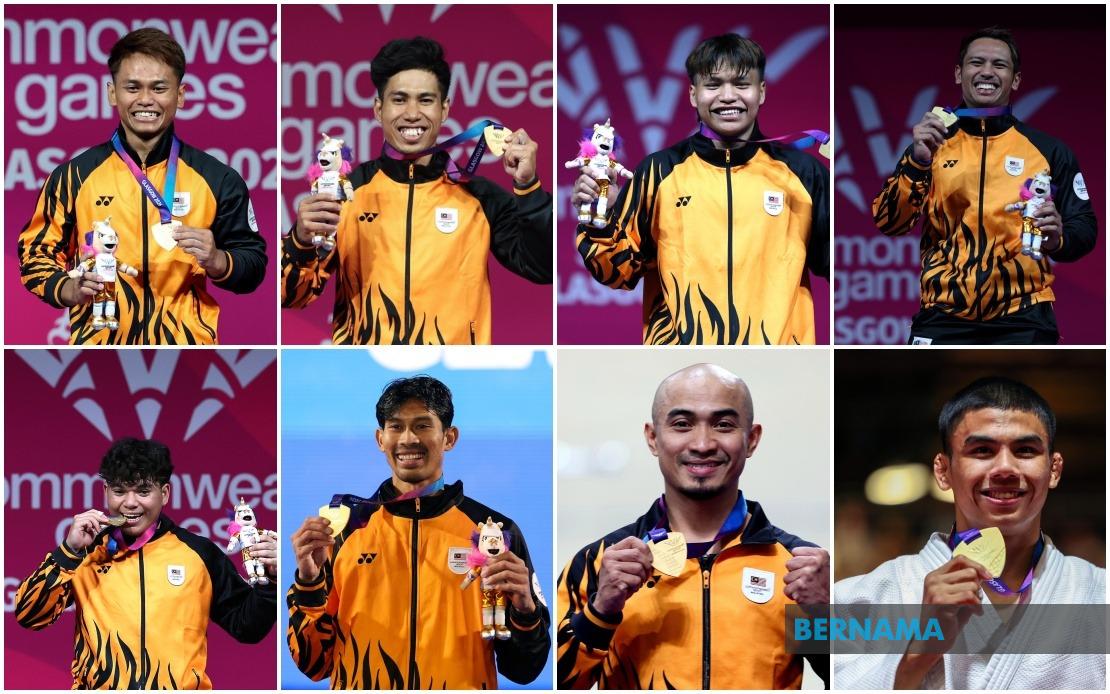
Prime Minister Datuk Seri Anwar Ibrahim has extended his congratulations to the entire Malaysian sports contingent for their spirited campaign at the 2026 Glasgow Commonwealth Games, acknowledging the athletes' commitment and competitive drive throughout the multi-sport event held in Scotland. The Prime Minister's remarks, shared through social media on August 3, underscored the significance of Malaysia's participation and the pride demonstrated by competitors across various disciplines.
In his statement, Anwar Ibrahim emphasised the exceptional fighting spirit exhibited by Malaysian athletes, recognising their efforts to represent the nation on an international sporting platform. The acknowledgment reflects the government's continued investment in grassroots and elite sports development, a commitment that has been central to Malaysia's sporting objectives in recent years. The Prime Minister's message resonated with the broader narrative of national pride and unity that Commonwealth Games competitions traditionally inspire across participating nations.
Beyond the athletes themselves, the Prime Minister extended appreciation to the comprehensive support ecosystem that enables competitive success at major international games. Coaches, match officials, and behind-the-scenes support personnel all received recognition for their contributions to Malaysia's campaign. This acknowledgment highlights the often-overlooked reality that elite sporting achievement depends not solely on athlete talent but equally on the expertise and dedication of training staff, medical teams, and administrative personnel who work in supporting roles.
The Prime Minister also highlighted the role of prayer and national sentiment in supporting the contingent, inviting all Malaysians to share in the collective pride of sporting achievement. Such inclusive messaging serves to connect the general population with elite sports endeavours, fostering a sense of national ownership over international competitions. The reference to prayers reflects Malaysia's multicultural context, where spiritual encouragement from diverse communities becomes part of the national sporting narrative.
Malaysia's final standing of 10th place with 16 total medals represents a competitive performance at one of the Commonwealth's flagship quadrennial events. The medal tally reflects both the strengths of Malaysia's established sporting disciplines and areas for future development. Commonwealth Games provide a crucial benchmarking opportunity for nations to assess their competitive standing and identify pathways for improvement across Olympic and non-Olympic sports.
The Glasgow Games represent a significant international sporting calendar event, bringing together nations across the Commonwealth to compete in approximately 10 major sports disciplines. For Malaysia, such competitions offer opportunities to gain exposure, develop athlete experience on global stages, and generate momentum for sports that may not receive mainstream attention domestically. The Games also function as a testing ground for preparation strategies ahead of Olympic competitions and other major international tournaments.
Malaysia's participation in the Glasgow Commonwealth Games continues a longstanding tradition of competing in the biennial sporting showcase. Historical analysis of Malaysian performance across successive Commonwealth Games reveals patterns of medal success concentrated in badminton, weightlifting, squash, and diving—sports with strong domestic participation bases and established training infrastructure. Understanding these performance patterns informs strategic planning for future games and identifies sports requiring targeted investment.
The Prime Minister's recognition of the contingent's achievements occurs within the context of broader Southeast Asian sporting competition. Regional peers, including Indonesia, Thailand, and Vietnam, participate in Commonwealth Games, making the event a vehicle for demonstrating Malaysia's competitive standing within the Southeast Asian sporting hierarchy. Strong performances at such events carry diplomatic and soft power implications, enhancing national prestige and international sporting reputation.
Looking forward, Malaysia's performance metrics at the Glasgow Games will likely inform sports planning for subsequent international competitions, including future Commonwealth Games and Olympic cycles. Sports management bodies will conduct comprehensive reviews of performance data, athlete development pathways, and resource allocation to optimise returns on investment in sports infrastructure and talent development programmes. The contingent's experiences also contribute valuable intelligence for training methodologies and competitive strategy refinement.
The Prime Minister's public endorsement of the sporting contingent carries symbolic weight in elevating sports within national consciousness and policy priorities. Such high-level political recognition can translate into enhanced funding support, improved training facilities, and greater societal encouragement for sports participation at all levels. Connecting political leadership directly with sporting achievement helps maintain momentum for grassroots development initiatives that eventually feed talent pipelines for elite competition.
Malaysia's Commonwealth Games performance also reflects broader investment decisions in sports science, athlete welfare, and coaching education that have accumulated over recent decades. The steady development of Olympic centres, training grants, and scholarship programmes for young athletes demonstrates institutional commitment to sustaining competitive success. The Glasgow Games results represent not merely a snapshot of performance but rather a culmination of multi-year developmental trajectories for individual athletes and sports programmes.
As Malaysia moves forward following the Glasgow Games, the experience gained through international competition will prove valuable for upcoming sporting challenges. Athlete confidence, international exposure, and competitive insights gained from competing against Commonwealth nations will benefit preparations for future major tournaments. The Prime Minister's commendation reinforces that despite outcomes, the participation itself carries intrinsic value in building Malaysia's sporting culture and international sporting reputation.
The broader significance of the Prime Minister's statement lies in its affirmation of sports as a legitimate national priority deserving government support and public recognition. In competitive international sporting environments, such political backing translates into institutional commitment and sustained resource allocation essential for maintaining Malaysia's standing among global and regional sporting powers.

