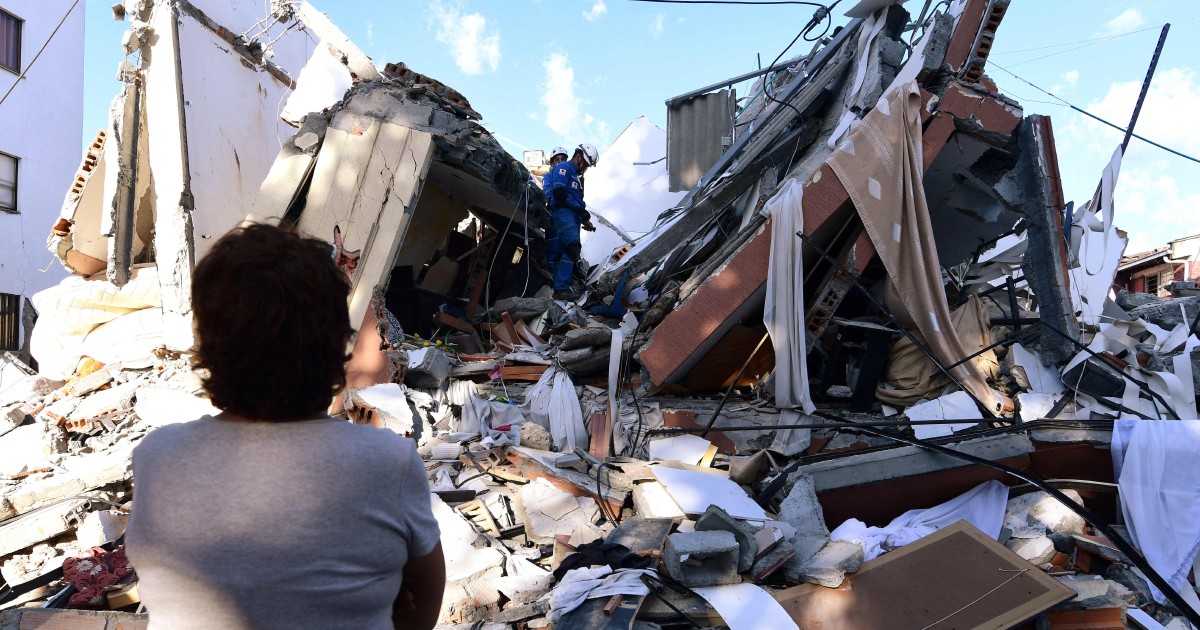
Prime Minister Datuk Seri Anwar Ibrahim has conveyed condolences to the people of Colombia following a powerful earthquake that struck the nation's western region, underscoring Malaysia's commitment to standing alongside nations facing natural calamities. The diplomatic message reflects the established protocols through which governments express mutual support during humanitarian crises affecting their respective populations and territories.
Natural disasters of significant magnitude invariably trigger coordinated international responses, with nations using official channels to demonstrate solidarity and offer tangible assistance where feasible. The earthquake that impacted western Colombia represents precisely the kind of emergency situation that mobilizes the global community's collective concern and resources. Malaysia's formal expression of sympathy, channelled through the highest level of executive leadership, signals the country's readiness to contribute to relief efforts and humanitarian coordination in the immediate aftermath of such catastrophic events.
Columbia's geographic position along the Pacific Ring of Fire exposes the South American nation to considerable seismic risk, a reality that shapes infrastructure planning, disaster preparedness protocols, and international emergency response mechanisms throughout the region. Western Colombia, in particular, sits within zones of significant tectonic activity where multiple fault lines intersect, creating conditions for earthquakes of varying magnitudes. Historical records demonstrate that the country has weathered major seismic events with varying degrees of preparedness and humanitarian outcomes, each experience informing subsequent improvements to early warning systems and rescue coordination frameworks.
The provision of condolences at the highest political level serves multiple functions within diplomatic practice. Beyond the immediate expression of sympathy, such messaging opens channels for material assistance, whether through emergency aid organizations, specialized rescue teams, or medical resources. Malaysia has previously mobilized support during regional and international disasters, deploying trained personnel and financial contributions through established multilateral mechanisms and bilateral arrangements.
For Malaysian readers, such international incidents underscore the shared vulnerability that transcends geographic boundaries and cultural differences. Southeast Asian nations, positioned along tectonic zones and vulnerable to multiple natural hazard categories, recognize the profound disruption that major earthquakes inflict upon societies. The region's experience with the 2004 Indian Ocean tsunami and subsequent seismic events has crystallized understanding of how quickly disaster can overwhelm even relatively developed economies and necessitate robust international coordination.
Columbia's response infrastructure, while continually strengthening, must contend with challenges common to many developing and middle-income nations facing natural disasters. Rapid damage assessment, coordinated evacuation procedures, medical surge capacity, and the restoration of essential services require immediate mobilization of resources that extend beyond any single nation's immediate availability. International assistance becomes not merely charitable but operationally essential during the critical first hours and days following major seismic activity.
The timing of Prime Minister Anwar's condolence message reflects Malaysia's diplomatic attention to developments affecting important members of the global community. Colombia, as a significant economy and regional power within Latin America, maintains diverse international partnerships and serves as a crucial hub for hemispheric cooperation. Malaysia's acknowledgment of Colombian suffering reinforces bilateral relations and positions the country as a responsible member of the international community attuned to humanitarian imperatives beyond its immediate geographic sphere.
Disaster diplomacy increasingly features as a component of contemporary international relations, with nations calibrating responses to natural catastrophes as opportunities to reinforce friendships, demonstrate capability and compassion, and build political capital. The speed and sincerity with which governments express solidarity during crises can meaningfully influence subsequent relationships and cooperative frameworks. Malaysia's proactive engagement in expressing condolences positions the nation favorably within international humanitarian networks and demonstrates leadership commitment to universal principles of human dignity transcending political boundaries.
The broader implications for Malaysia extend to considerations of disaster resilience and preparedness. As a nation with significant exposure to earthquakes, particularly in Sabah and other Peninsular regions, the experience of other countries facing similar challenges provides valuable lessons for policy development and emergency management strategies. Colombia's institutional responses, evacuation procedures, and international coordination mechanisms offer benchmarks against which Malaysian preparedness can be evaluated and strengthened.
Government condolences serve as the initial diplomatic response, typically followed by technical and material assistance through appropriate channels. Whether Malaysia contributes personnel through international rescue coordination mechanisms, provides financial assistance through the United Nations, or engages in bilateral support arrangements remains subject to Colombian government requests and Malaysia's capacity assessment. The expression of solidarity, however, represents a commitment in principle to assist during this critical period of need.
The earthquake affecting western Colombia exemplifies how natural disasters dissolve geopolitical boundaries and create moments of profound human vulnerability shared across nations regardless of development level or political orientation. Prime Minister Anwar's message reflects both authentic humanitarian concern and Malaysia's sophisticated understanding of how international solidarity strengthens the global community's collective resilience. As information regarding the earthquake's full scope becomes clearer, Malaysia stands ready to contribute meaningfully to Colombia's recovery and stabilization efforts.

