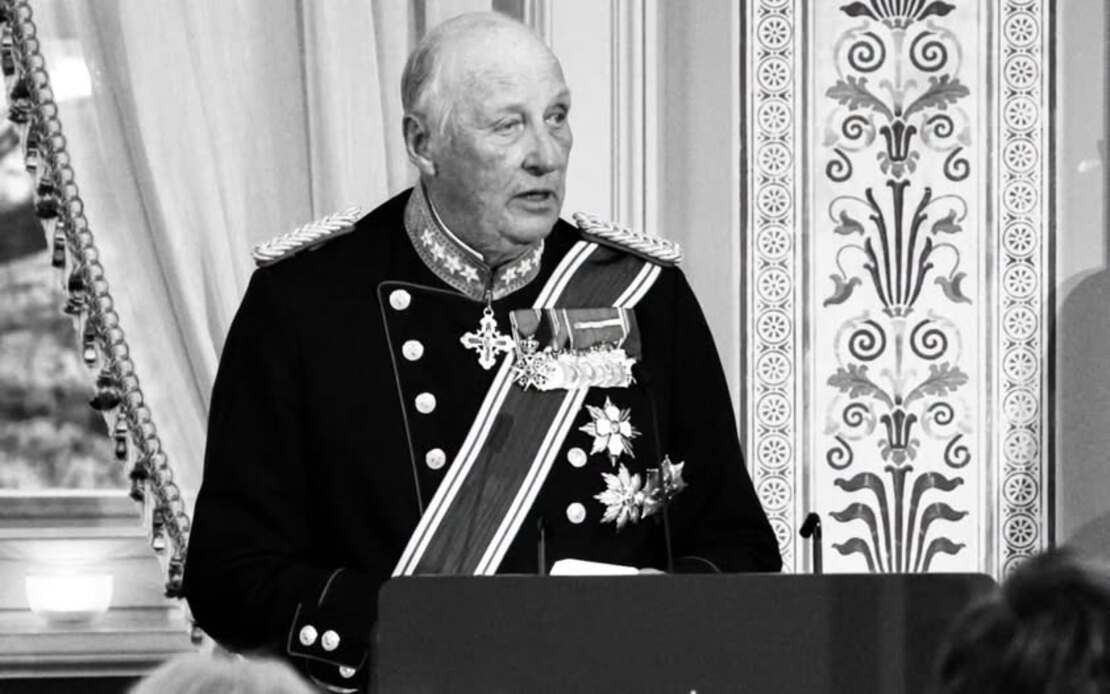
Prime Minister Datuk Seri Anwar Ibrahim has conveyed Malaysia's official condolences to the Kingdom of Norway following the death of King Harald V, who passed away on Friday at the age of 89. The Malaysian leader issued a formal statement of sympathy on behalf of the government and people of Malaysia, recognising the significance of the Norwegian monarch's seven-decade reign and his impact on his nation's development.
In his statement shared via social media, Anwar highlighted the distinctive qualities that characterised King Harald's approach to national leadership. The Prime Minister drew particular attention to the late king's progressive stance on national identity and social cohesion, noting how Harald articulated a vision of Norway that embraced its increasingly multicultural demographic composition. This perspective proved especially meaningful in a contemporary context where many nations grapple with questions of belonging and citizenship.
Anwar specifically referenced remarks the late king had made regarding Norway's evolving society, wherein Harald acknowledged citizens whose family origins spanned multiple continents—including Afghanistan, Pakistan, Poland, and numerous other nations. By publicly affirming that individuals from diverse ethnic and cultural backgrounds were equally Norwegian, Harald V demonstrated a sophisticated understanding of modern statehood that transcended narrow definitions of nationality rooted solely in ancestry or historical heritage.
The Prime Minister's emphasis on this aspect of the late monarch's legacy carries particular resonance for Malaysia and other pluralistic Southeast Asian societies. In a region where questions of national identity, religious and ethnic harmony, and the integration of minority communities remain subjects of ongoing political discourse, Harald's model of inclusive nationalism offered a compelling template. Anwar's choice to highlight this dimension suggests an alignment with contemporary approaches to nation-building that prioritise social cohesion over exclusionary frameworks.
Beyond matters of national identity, Anwar also commended King Harald's personal integrity and commitment to constitutional duty. The Prime Minister noted that the late Norwegian monarch embodied a profound respect for oath-taking and maintained unwavering fidelity to his solemn obligations throughout his reign. This characterisation underscores the dignity and gravitas that hereditary monarchies can project when their leaders treat their constitutional responsibilities with genuine seriousness rather than ceremonial detachment.
King Harald V had maintained his position as Norway's sovereign since 1991, making him one of Europe's longest-reigning contemporary monarchs at the time of his death. His passing represented the conclusion of a remarkable era in Norwegian history, spanning the Cold War period, Norway's development as a major energy-producing nation, and the country's evolution into one of the world's most prosperous and socially progressive democracies. The 89-year-old monarch had been hospitalised since August 17 and was receiving medical treatment for hemolytic anemia at the National Hospital in Oslo when he passed away.
Malaysia's formal expression of condolences reflects the broader protocol of international diplomatic relations, wherein major life events affecting heads of state receive appropriate acknowledgement from foreign governments. The relationship between Malaysia and Norway, whilst not among the most prominent bilateral partnerships in Southeast Asian-European affairs, nonetheless operates within frameworks of mutual respect and shared democratic values. Both nations maintain active engagement through various international organisations and multilateral forums.
The timing of Anwar's statement underscores Malaysia's attentiveness to significant developments within the international community. As a nation with its own constitutional monarchy system, Malaysia's leadership would naturally regard the passing of a foreign sovereign with particular awareness of the institutional and symbolic dimensions involved. The Malaysian prime ministerial office's swift issuance of formal condolences demonstrates diplomatic professionalism and recognition of international courtesies.
For Norway, the passing of King Harald marked a significant transition, with Crown Prince Haakon poised to assume the throne. This succession, whilst inevitable, nonetheless represents a watershed moment in Norwegian national life. The broader implications for Norwegian foreign policy, domestic priorities, and the monarchy's role in contemporary governance would likely engage observers across the European and international stages in the coming months.
Anwar's specific invocation of the late king's legacy regarding national cohesion and diverse citizenship suggests that Malaysia sees value in drawing upon international exemplars when addressing its own questions of social unity and inclusive governance. By elevating these themes in an official condolence statement, the Prime Minister signals to domestic and international audiences that Malaysia remains committed to building a nation wherein citizens of all backgrounds can claim full membership and participation. In this respect, commemorating King Harald's vision of an inclusive realm serves both diplomatic protocol and substantive policy signalling.

