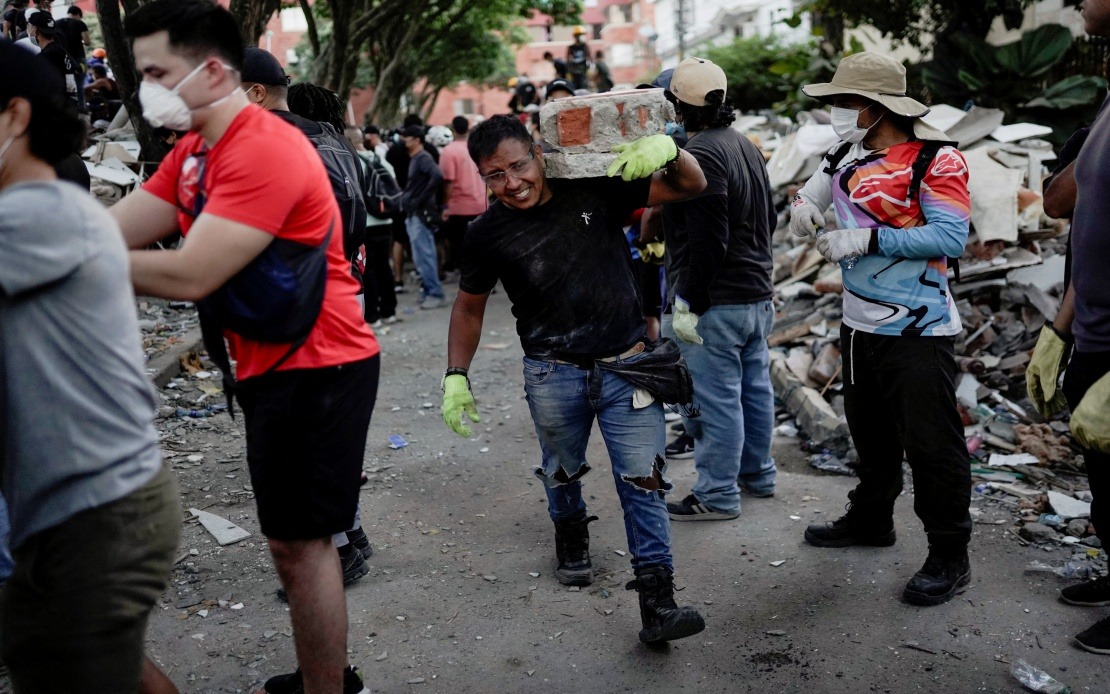
Prime Minister Datuk Seri Anwar Ibrahim has conveyed Malaysia's sympathies to the Colombian nation following the catastrophic earthquake that devastated the country's western reaches yesterday, expressing the government's commitment to standing alongside the affected population during this period of crisis and recovery.
Through a statement posted on his official Facebook account, Anwar addressed the scale and severity of the disaster, noting that the 7.4-magnitude tremor represents one of the most powerful seismic events to strike Colombia in recent decades. The earthquake, which struck the Chocó region as its epicentre, has claimed more than 100 lives while inflicting widespread physical destruction across multiple population centres including the major cities of Cali, Pereira, and Manizales. The magnitude and geographical reach of the disaster underscore the intensity of the seismic activity experienced across western Colombia.
The Prime Minister's message emphasised Malaysia's principled approach to international humanitarian crises, framing the response as rooted in shared values of mutual support and collective responsibility. In his formal statement, Anwar articulated that "on behalf of the Government and people of Malaysia, I extend our condolences to the families of those who have lost their lives, and our sympathies to all those affected." This formulation reflects diplomatic protocol while acknowledging the human dimensions of natural disaster—the family networks fractured by sudden loss and the broader communities wrestling with trauma and displacement.
Beyond expressions of sympathy, Anwar specifically recognised the extraordinary efforts of rescue personnel and volunteer responders who have mobilised in the aftermath of the initial tremor. The ongoing aftershock sequence, which typically follows earthquakes of this magnitude, creates compounding hazards that complicate rescue operations and rescue worker safety. By paying tribute to these first responders, the Prime Minister acknowledged both the immediate peril they face and their commitment to locating survivors trapped in collapsed buildings and damaged infrastructure throughout the affected regions.
The statement reflected Malaysia's broader diplomatic position regarding international humanitarian response. Anwar invoked the language of solidarity and shared human struggle, positioning Malaysia within the global community's coordinated response to the Colombian emergency. The references to prayer for the recovery of injured persons and safe location of missing individuals employed language that resonates across Malaysia's multicultural context while expressing universal sentiments of hope and resilience.
For Malaysia's international relations perspective, the timing and substance of the Prime Minister's statement reaffirm the country's commitment to diplomatic engagement across the Global South. Colombia, as a major Latin American economy and regional power, represents an important partner in Malaysia's broader strategy of strengthening South-South cooperation. Natural disasters that strike significant nations typically prompt strategic diplomatic responses from regional and international players seeking to maintain goodwill and demonstrate reliable partnership during periods of vulnerability.
The earthquake's impact on Colombian infrastructure, economic output, and social stability will likely extend well beyond the immediate rescue phase. Earthquakes of 7.4 magnitude typically cause damage to utilities, transportation networks, healthcare facilities, and residential structures across broad geographic areas. The reconstruction process will span months or years, during which international support—both material and diplomatic—can facilitate more effective recovery pathways. Malaysia's early expression of solidarity establishes a foundation for potential future collaboration should the Colombian government seek international assistance.
From a Southeast Asian perspective, the Colombian earthquake serves as a reminder of the region's own seismic vulnerabilities. Indonesia, the Philippines, and other parts of the region sit along the Pacific Ring of Fire and experience frequent seismic activity. The response mechanisms mobilised in Colombia—international coordination, cross-border assistance protocols, volunteer mobilisation—represent best practices that Southeast Asian nations monitor and potentially adapt for their own disaster preparedness frameworks. Malaysian disaster management authorities likely view such international responses as data points for evaluating regional preparedness and response capacity.
The earthquake also illustrates the interconnected nature of modern humanitarian response. In the initial hours and days following major seismic events, information flows through international networks of scientists, government agencies, and non-governmental organisations. Malaysia's expression of solidarity participates in this global information ecosystem while positioning the country as a responsible international actor committed to humanitarian principles. For Malaysian citizens and businesses with connections to Colombia, the Prime Minister's statement signals that their government is attentive to crises affecting their counterparts abroad.
Anwar's invocation of the international community's collective wishes for Colombian "strength and resilience" employed language that extends beyond conventional diplomacy into the realm of shared human aspiration. Natural disasters reveal both the fragility of human civilisation and the capacity of societies to rebuild and recover. By framing Malaysia's response in terms of admiration for the Colombian people's resilience, the Prime Minister connected the immediate tragedy to longer-term narratives of recovery and renewal that typically follow major natural disasters.
The diplomatic outreach also reflects Malaysia's strategic positioning within networks of middle-power nations that seek influence through soft power and humanitarian leadership. Countries like Malaysia—with established diplomatic corps, development experience, and moderate international standing—can amplify their influence by consistently responding to global crises with principled statements and, where feasible, material assistance. Such consistent engagement builds reputational capital that proves valuable in larger diplomatic negotiations and international forums.

