%22%2F%3E%3C%2Fpattern%3E%3C%2Fdefs%3E%3Crect%20width%3D%22100%25%22%20height%3D%22100%25%22%20fill%3D%22url(%23ph2i7thg)%22%2F%3E%3Crect%20width%3D%22100%25%22%20height%3D%22100%25%22%20fill%3D%22url(%23ph2i7thp)%22%2F%3E%3Ctext%20x%3D%2250%25%22%20y%3D%2250%25%22%20text-anchor%3D%22middle%22%20dominant-baseline%3D%22central%22%20fill%3D%22rgba(255%2C255%2C255%2C0.95)%22%20font-family%3D%22Georgia%2C%20'Times%20New%20Roman'%2C%20serif%22%20font-weight%3D%22700%22%20font-size%3D%22320%22%20letter-spacing%3D%22-0.02em%22%3EPM%3C%2Ftext%3E%3C%2Fsvg%3E)
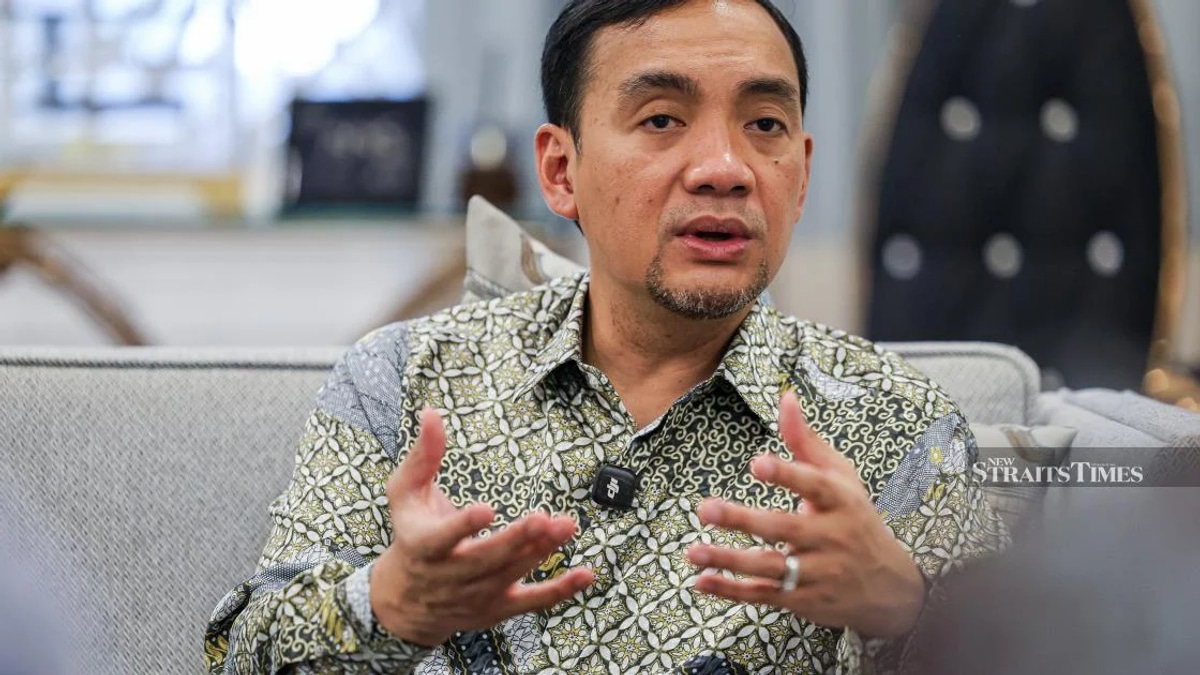
Prime Minister Anwar Ibrahim used a series of discussions with international media representatives in Kazan on June 17 to articulate Malaysia's perspective on deepening ties between the Association of Southeast Asian Nations and Russia, while simultaneously addressing pressing global challenges spanning energy security, cultural exchange, and humanitarian matters.
The Prime Minister's engagement with international journalists in the Russian city underscores Southeast Asia's strategic positioning in contemporary geopolitical dynamics. Malaysia, as a significant Asean member and voice within the regional bloc, continues to navigate complex relationships with major powers while maintaining the bloc's cherished principle of non-alignment. Anwar's presence and direct communication with foreign media reflects Malaysia's commitment to articulating its own narrative rather than relying solely on diplomatic channels, a hallmark of his government's more proactive foreign policy approach.
The discussion of Asean-Russia cooperation represents a continuation of efforts to expand bilateral and multilateral engagement beyond traditional Western spheres of influence. Russia has long sought to strengthen its presence in Southeast Asia through economic partnerships, cultural initiatives, and diplomatic dialogue. For Asean nations including Malaysia, such engagement offers opportunities to diversify partnerships and reduce dependence on any single power bloc, consistent with the regional principle of strategic autonomy that has guided policy decisions for decades.
Energy security emerged as a critical theme in Anwar's conversations, reflecting the region's vulnerability to global energy market fluctuations and supply chain disruptions. Southeast Asian nations, including Malaysia, depend heavily on stable energy supplies to fuel economic development and industrial growth. Russia's position as a major global energy producer makes it a relevant partner for dialogue on long-term energy cooperation, particularly as the region simultaneously pursues renewable energy transitions and manages the complexities of fossil fuel dependencies during this transitional period.
The inclusion of Russian literature and cultural matters in Anwar's discussions reveals a dimension often overlooked in purely transactional diplomatic engagement. Cultural exchange serves as a foundational element for building mutual understanding and people-to-people connections that transcend government-to-government relations. Russia's rich literary tradition and cultural heritage offer points of connection for Malaysian and broader Southeast Asian audiences, fostering broader societal links that can support deeper, more resilient bilateral relationships.
Humanitarian concerns addressed during these media interactions demonstrate Malaysia's consistent emphasis on global responsibility and ethical foreign policy conduct. As a Muslim-majority nation with significant minority populations, Malaysia has particular sensitivities regarding humanitarian crises, displacement issues, and civilian protection in conflict zones. By raising such matters in discussions with Russian interlocutors, Anwar positions Malaysia as a principled actor concerned with universal human welfare rather than narrow national interests alone.
The timing and location of these conversations carry diplomatic significance. Kazan, positioned in Russia's Volga region, symbolises Russia's multi-faceted identity beyond its European centre. Conducting substantive discussions there signals respect for Russia's geographic and cultural diversity, while also demonstrating Malaysia's willingness to engage in substantive dialogue at various venues rather than limiting interactions to capital cities or traditional diplomatic hubs.
For Malaysia specifically, strengthening Asean-Russia relations supports the nation's broader strategic objectives. As an important trading nation with significant economic interests throughout the region and beyond, Malaysia benefits from stable regional dynamics and diversified partnership frameworks. Constructive Asean-Russia engagement helps stabilise the region and creates economic opportunities for Malaysian businesses seeking to expand operations in Russian markets or benefit from expanded energy cooperation arrangements.
The multi-faceted nature of Anwar's discussions reflects contemporary diplomacy's complexity. Addressing energy security, cultural exchange, and humanitarian concerns simultaneously demonstrates that modern international relations cannot be compartmentalised into purely economic, security, or cultural spheres. These dimensions interconnect, with developments in one area influencing outcomes in others, requiring policymakers to maintain sophisticated, integrated approaches to bilateral and multilateral engagement.
Asean's collective approach to major power relations has historically emphasised dialogue, consultation, and inclusive engagement rather than confrontation or alignment with particular blocs. Malaysia's articulation of this principle through Anwar's media engagements reinforces this positioning, demonstrating that Southeast Asian nations can simultaneously maintain close relationships with Western powers while pursuing pragmatic cooperation with Russia and other nations. This balance remains crucial for preserving regional stability and autonomy as global power dynamics continue shifting.
The broader implications of these Kazan discussions extend beyond bilateral Malaysia-Russia relations. They signal to the international community that Asean nations, through Malaysia's voice, remain actively engaged in shaping regional narratives and international discourse. Rather than passively accepting narratives constructed by others, Anwar's direct engagement with international media ensures that Southeast Asian perspectives, concerns, and aspirations receive adequate representation in global conversations about cooperation, security, and shared challenges facing humanity.