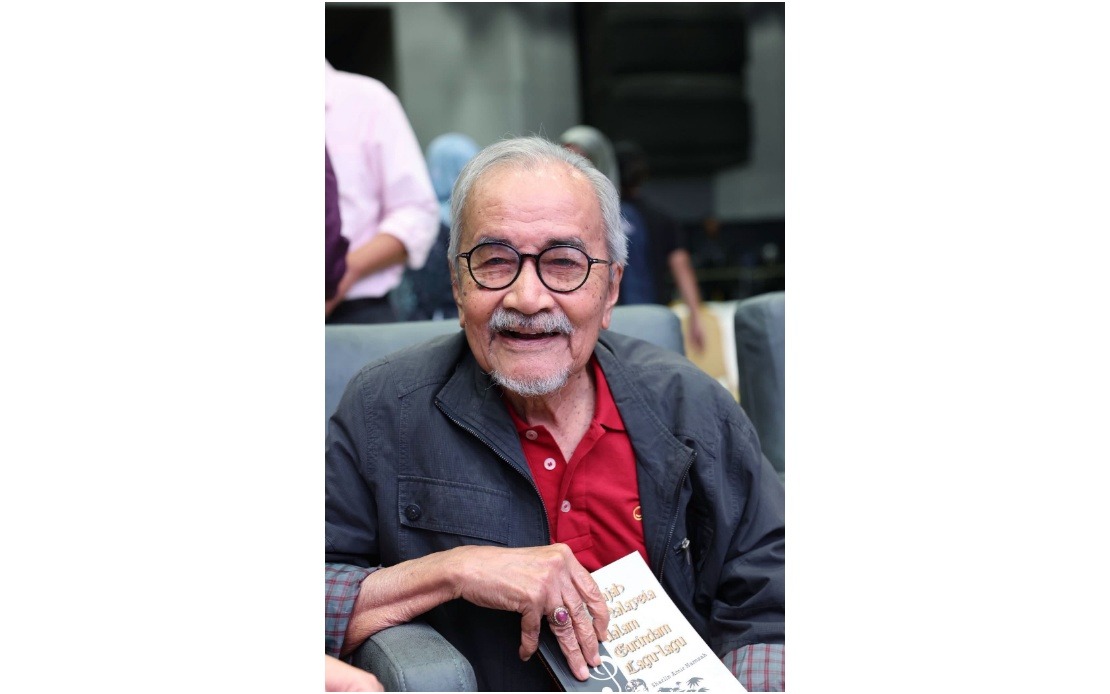
Prime Minister Datuk Seri Anwar Ibrahim has extended warm birthday greetings to Datuk Rahim Razali, the acclaimed filmmaker and cultural stalwart who turned 87 on July 3. Through a Facebook post, Anwar underscored Rahim's pivotal role in shaping Malaysia's creative industries and acknowledged the enduring relevance of his artistic legacy.
Anwar's tribute characterizes Rahim as an instrumental force in the local arts ecosystem, crediting him with producing works of lasting significance that have consistently illuminated themes of human dignity, cultural heritage, and national values. The Prime Minister expressed confidence that Rahim's creative output will continue functioning as a wellspring of inspiration for successive waves of Malaysian artists and those who appreciate the fine arts. This recognition arrives at a moment when the government has been actively seeking to elevate the profile of Malaysia's cultural sectors on the regional and international stage.
In his message, Anwar extended prayers for Rahim's continued well-being, robust health, and longevity, hoping that the celebrated thespian maintains the vigour necessary to sustain his contributions to the nation's artistic and cultural domains. The gesture represents the government's broader commitment to acknowledging the contributions of cultural pioneers who have shaped Malaysia's creative identity during its development as a modern nation-state.
Rahim Razali was born on July 3, 1939, in Batu Gajah, Perak, establishing himself as a multifaceted creative professional whose career spans more than six decades. His versatility across multiple disciplines has distinguished him within Malaysia's entertainment landscape. He has worked extensively as an actor, film director, and screenwriter, while simultaneously maintaining involvement in sports journalism and broadcasting throughout his long career. This breadth of experience positions him among the most adaptable cultural figures in Malaysian history.
Throughout his prolific career, Rahim has both directed and performed in numerous productions that have achieved iconic status within Malaysian cinema. His performances and directorial work have earned him recognition at the Malaysian Film Festival, where he has received accolades including Best Director and Best Male Actor awards. Most notably, he starred in Matinya Seorang Patriot, a landmark production that exemplified his commitment to narratives exploring themes of national significance and sacrifice.
Rahim's body of work demonstrates a consistent thematic preoccupation with storytelling that bridges entertainment and social commentary. His films have frequently engaged with questions of identity, patriotism, and moral integrity—themes that resonate particularly within the Southeast Asian context where questions of nation-building and cultural continuity remain pertinent. By maintaining focus on human-centred narratives, Rahim has contributed to establishing a distinctly Malaysian cinematic voice distinct from Hollywood conventions.
The acknowledgment by the Prime Minister carries particular significance given the current government's emphasis on cultural diplomacy and the creative economy as drivers of national development. Malaysian policymakers have increasingly recognized that cultural heritage and artistic production constitute valuable soft power resources in regional competition. Public recognition of figures like Rahim underscores this strategic pivot toward valorizing the creative sectors.
Rahim's longevity in the entertainment industry across multiple decades has spanned enormous transformations in Malaysian society, media technology, and the global entertainment landscape. His capacity to remain relevant and productive throughout these shifts speaks to both his adaptive abilities and his grounding in timeless creative principles. His career trajectory offers valuable lessons for contemporary Malaysian artists navigating rapid technological change and evolving audience preferences.
The cultural sector's economic importance has expanded considerably within Southeast Asia, with countries increasingly competing for creative talent and investment. Malaysia's recognition of figures such as Rahim positions the nation as a respecter of artistic heritage and cultural continuity—qualities that can enhance its standing as a regional creative hub. Younger Malaysian filmmakers often cite Rahim's work as foundational to their understanding of Malaysian cinema's possibilities.
Rahim's contributions to sports journalism and broadcasting demonstrate that his influence extends beyond conventional cinema into the broader media ecosystem. This diversification reflects the evolving nature of Malaysian cultural production, where traditional boundaries between disciplines have become increasingly permeable. His work in these varied domains has shaped how Malaysians consume and understand narratives about national achievement, athleticism, and cultural identity.
The Prime Minister's tribute reflects a broader pattern of government engagement with Malaysia's cultural institutions and figures. Such public acknowledgements serve multiple functions: they honour individuals who have shaped national culture, signal government support for the arts, and implicitly encourage continued investment in creative sectors. For a country seeking to establish itself as a cultural destination within Southeast Asia, such symbolic gestures carry tangible policy implications.
As Rahim enters his ninth decade, his accumulated wisdom and artistic archive represent invaluable resources for Malaysian cultural studies and film scholarship. Archives preserving his work, interviews, and creative papers would constitute important documentation of post-independence Malaysian cultural development. The government's continued recognition of his contributions may facilitate efforts to properly catalogue and preserve this cultural inheritance for future generations.
Rahim Razali's 87 years encompass crucial chapters in Malaysia's modern history, and his artistic responses to contemporary events provide scholars with textual records of how Malaysian cultural producers engaged with nation-building, social change, and aesthetic questions during pivotal periods. The Prime Minister's birthday message thus serves not merely as a personal courtesy but as an implicit affirmation of cultural memory and historical preservation.

