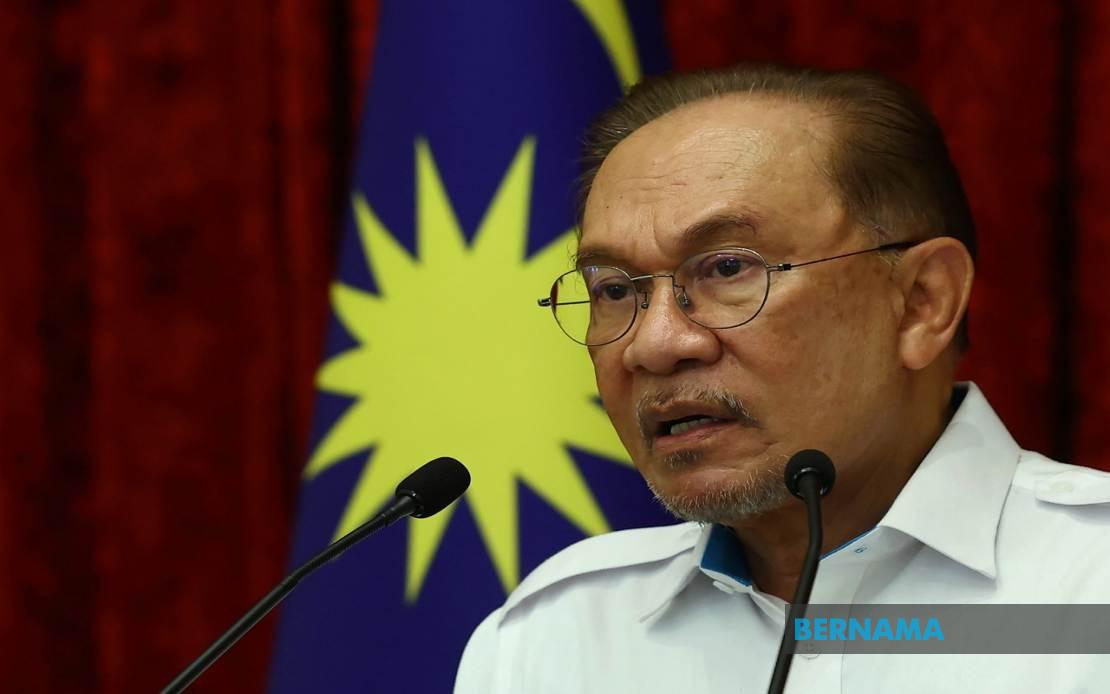
Prime Minister Datuk Seri Anwar Ibrahim has expressed regret at his inability to be present for a special parliamentary sitting on August 11 to participate in discussions surrounding the Royal Commission of Inquiry report examining Tabung Haji's operations and governance. His office conveyed the apology through his senior press secretary, Tunku Nashrul Abaidah, who emphasised that the Prime Minister remains deeply invested in the matter despite his physical absence from the chamber.
The parliamentary debate represents a significant moment for Malaysia's Islamic pilgrimage fund, which has faced considerable scrutiny in recent years. The RCI report carries substantial implications for how the institution manages the savings of millions of Malaysian Muslims preparing for the hajj pilgrimage. Anwar's inability to participate underscores the gravity of his current health situation, as oversight of major state institutions typically commands the Prime Minister's direct engagement.
According to Tunku Nashrul's statement, Anwar's medical team has advised him to continue his treatment regimen, which includes ongoing physiotherapy sessions conducted under specialist supervision. The statement stressed that despite this unavoidable absence, the Prime Minister intends to monitor the parliamentary debate with close attention, reflecting his determination to remain informed on critical governance matters affecting Malaysia's Muslim community.
The broader context of Tabung Haji's challenges has made the RCI findings particularly newsworthy across Malaysia and the region. The fund, which collects savings from prospective pilgrims and invests them to fund hajj operations, has faced operational difficulties and financial concerns that prompted the government to establish the commission. The upcoming parliamentary debate would have provided lawmakers with an opportunity to examine the RCI's recommendations and chart a course for institutional reform.
Anwar's medical journey reached a milestone when he underwent an elective laparoscopic surgical procedure to address a para-umbilical hernia, according to Dr Asri Ranga Abdullah Ramaiah, the head of the Prime Minister's medical team. The procedure, which was successfully completed, represents part of a broader treatment plan designed to restore the Prime Minister to full health and working capacity.
The timing of Anwar's medical situation coincides with his 79th birthday, which fell during his recovery period. Through his office, the Prime Minister expressed appreciation for the prayers and well-wishes he has received from Malaysians across the country, reflecting a touching moment of national concern for the head of government during a vulnerable period.
The RCI Report on Tabung Haji carries significant weight for Malaysia's approximately 8.6 million Muslim citizens who hold accounts with the institution. The commission's findings are expected to shape policy decisions regarding the fund's investment strategies, governance structures, and operational transparency. For Malaysian Muslims in the region, particularly those in Singapore, Brunei, and neighbouring countries who may utilise Tabung Haji's services, the recommendations hold practical importance.
Parliamentary debates on RCI reports typically generate detailed scrutiny from opposition lawmakers and government backbenchers alike, creating an opportunity for comprehensive examination of the commission's methodology and findings. Anwar's absence, while unavoidable given his health circumstances, deprives the debate of the Prime Minister's potential insights and responses to parliamentary questions, though his health and wellbeing understandably take priority.
The statement from Tunku Nashrul emphasised Anwar's commitment to ensuring that public trust in Tabung Haji as an institution serving Malaysia's Muslim community remains steadfast. This language suggests the Prime Minister views the institutional credibility of the fund as central to maintaining the confidence of millions of Malaysians who entrust their hajj savings to the organisation. His close monitoring of the debate, despite medical constraints, reflects this priority.
The nature of laparoscopic surgery typically permits relatively faster recovery compared to traditional open procedures, suggesting that Anwar's return to full parliamentary duties may occur within a reasonable timeframe. The ongoing physiotherapy sessions indicate a structured rehabilitation approach designed to restore the Prime Minister's physical capacity for the demanding schedule inherent in Malaysia's top office.
As Malaysia navigates questions surrounding Tabung Haji's future direction and institutional reforms, the Prime Minister's engagement through remote monitoring of parliamentary proceedings ensures that executive perspectives can still inform the legislative process. The special sitting itself demonstrates Parliament's responsiveness to major governance issues affecting Malaysia's Muslim institutions, even as the nation's political leadership contends with unexpected health challenges.
For regional observers, the situation highlights how health matters in senior positions can affect government operations across Southeast Asia's democracies. Anwar's transparent communication regarding his medical treatment and his delegation of parliamentary attendance responsibilities reflects institutional maturity in Malaysian governance, ensuring that critical business proceeds despite challenges at the leadership level. The institutional focus on Tabung Haji's future remains paramount, with the Prime Minister's commitment to oversight continuing in adapted form.

