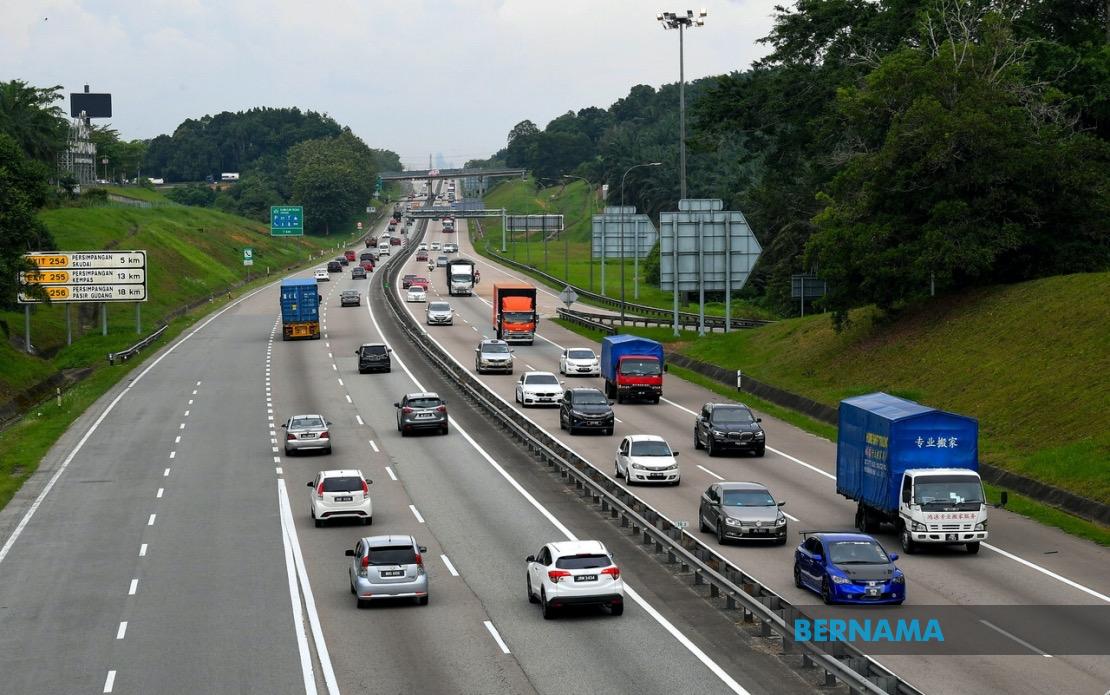
PLUS Malaysia Berhad has announced preparations to handle a significant spike in highway traffic during the upcoming National Day celebrations and school holidays, forecasting daily vehicle volumes reaching 2.2 million units across its network during peak periods between August 28 to 31 and September 4 to 7. This projection reflects the traditional surge in holiday travel as Malaysian families and residents take to the roads, transforming the nation's toll highway system into a critical artery for the extended festive season.
The toll operator is encouraging motorists to adopt a more strategic approach to their journeys by utilising the MyPLUS-TTA digital travel schedule feature available through the PLUS mobile application. This data-driven advisory system aims to distribute vehicles more evenly across different time slots and routes, thereby preventing the formation of concentrated traffic bottlenecks at specific highways and hours. By shifting some traffic volume away from peak periods, PLUS hopes to reduce waiting times at toll plazas and maintain more consistent traffic flow throughout its network.
Beyond route planning tools, the PLUS application offers an integrated suite of services designed to enhance the traveller experience during congested periods. Real-time traffic updates allow users to make informed decisions about their routes and timing, while the emergency assistance feature connects stranded motorists directly with roadside help. The app also displays estimated toll charges, identifies rest and service area locations, and marks electric vehicle charging station positions—information particularly valuable during extended holiday journeys when drivers may encounter unfamiliar routes or require longer travel breaks.
Physically, PLUS is bolstering its operational capacity through targeted staffing increases at toll plazas and rest areas nationwide. The company has committed to intensifying PLUSRonda patrol presence, which responds to breakdowns and incidents throughout the highway network. Simultaneously, personnel monitoring the central Traffic Monitoring Centre will maintain enhanced vigilance, enabling rapid detection and management of developing congestion issues before they cascade across the network.
A standout component of PLUS's holiday strategy involves activating Smart Lane technology at 33 strategically selected locations where traffic modelling indicates congestion risk. These intelligent lanes adapt dynamically to real-time traffic conditions, offering additional capacity during peak periods and typically improving throughput in traditionally problematic areas. However, PLUS has emphasised that drivers must remain attentive to Smart Lane signage and moderate their speeds accordingly, as these lanes operate under modified traffic rules. The operator has also stressed that drivers should not utilise emergency lanes outside designated Smart Lane activation zones, as doing so could result in traffic violations and associated penalties.
Interagency coordination represents another pillar of the holiday preparation strategy. PLUS has established collaborative frameworks with the Royal Malaysia Police, the Road Transport Department, the Malaysian Highway Authority, and related agencies to ensure rapid incident response. This coordination mechanism proves essential during holiday periods when accidents or breakdowns can quickly multiply the negative effects on traffic flow, potentially cascading into hours-long delays across multiple highway sections.
Recognising that high traffic volumes place strain on roadside facilities, PLUS has prioritised maintenance and cleanliness upgrades across all rest and service areas. Enhanced attention has been directed toward facilities that travellers consider essential for comfort and wellbeing during long drives, particularly prayer rooms and toilet facilities. Well-maintained and uncrowded rest areas encourage drivers to take necessary breaks, reducing fatigue-related accidents and promoting safer overall driving patterns during the holiday period.
PLUS has issued practical reminders to motorists regarding pre-journey vehicle preparation and payment systems. Drivers are advised to ensure their vehicles undergo basic maintenance checks before undertaking extended holiday trips, particularly given the heavy traffic conditions that can stress vehicles through prolonged idling and sustained driving. Similarly, motorists should verify that their Touch 'n Go cards or e-wallet accounts maintain adequate balances, and that payment card links on the JustGO app remain active to avoid being unable to settle toll charges at plazas.
Road safety messaging forms a crucial component of PLUS's holiday communications strategy. The operator has reiterated the importance of adhering to posted speed limits, maintaining safe following distances from other vehicles, and avoiding distracted driving through mobile phone use. These fundamentals become particularly critical during holiday periods when roads carry higher-than-normal traffic volumes and when some drivers may be unfamiliar with specific highway sections. PLUS has also encouraged extended breaks at rest areas to combat driver fatigue, which becomes a significant accident risk factor during long holiday journeys.
For immediate assistance, PLUS has maintained its dedicated support line, PLUSLine, available at 180088-0000 to handle emergencies and motorist inquiries. Real-time traffic information continues to flow through multiple channels including the PLUS mobile application and the company's social media platforms, enabling travellers to adjust their journey plans dynamically based on current conditions rather than relying solely on pre-journey forecasts.
The National Day and school holiday period represents one of the year's most challenging operational windows for Malaysia's toll highway network. By deploying technological solutions, increasing human resources, enhancing facility maintenance, and coordinating across multiple government agencies, PLUS aims to transform what could be a chaotic travel period into a more manageable experience. Success will ultimately depend on driver cooperation—their willingness to use available digital tools, respect Smart Lane protocols, maintain safe driving practices, and distribute their travel across recommended time windows rather than converging on peak periods.

