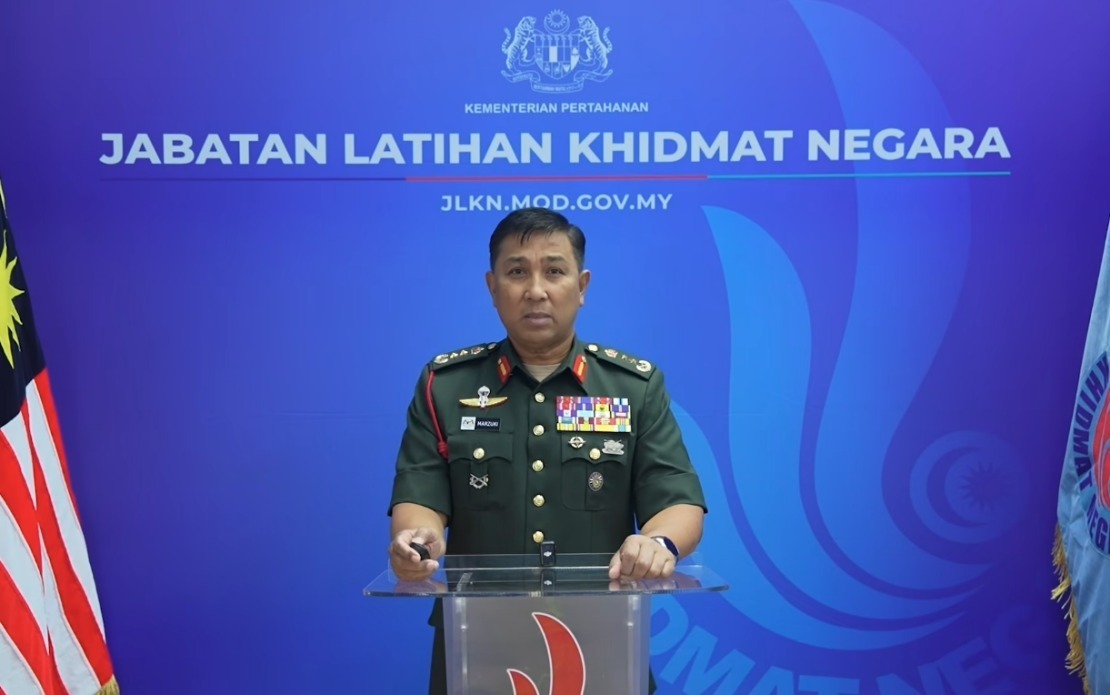
The National Service Training Department has struck a balance between supporting civic participation and maintaining operational continuity by permitting 77 trainees enrolled in PLKN 3.0 Series 3/2026 to take leave for voting in the imminent Johor and Negeri Sembilan state elections. This accommodation underscores the government's commitment to protecting the democratic rights of young citizens even whilst they undertake their mandatory national service obligations.
According to Major General Datuk Marzuki Mokhtar, the department's director general, the arrangement ensures that trainees can fulfil their electoral duties without disrupting the programme's broader national education mission. The decision reflects a pragmatic approach to reconciling two important national imperatives: encouraging youth participation in the democratic process and delivering the structured civic training that PLKN is designed to provide.
Among the 77 approved trainees, 31 are permitted to vote in the Johor state election, which took place on the announcement date. These individuals have been granted flexibility to report back to their assigned camps on the following day, minimising disruption to their training schedules. The staggered approach allows the programme to absorb the temporary absence of participants without compromising the sequence or quality of instruction.
The larger contingent of 46 trainees voting in the Negeri Sembilan state election scheduled for August 1 will receive a more extended break. These participants have been allocated between two and three days off to account for travel time and the voting process itself, recognising the practical requirements of reaching their respective polling stations from training locations across the peninsula.
The timing of these elections coincides with an intake period that demonstrates sustained interest in the national service initiative. Overall, 870 trainees have confirmed their participation in Series 3/2026, filling the designated training capacity for this cohort. This participation level suggests that despite occasional public debates about the programme's relevance, Malaysian youth continue to engage with the scheme in substantial numbers.
The trainees are distributed across three major training facilities strategically positioned across the country. Camp 505 AW in Pekan, Pahang, hosts the largest contingent with 500 trainees, whilst Camp 515 AW in Kuala Lumpur accommodates 250 participants. A smaller facility, Camp 504 AW Bukit Keteri in Perlis, serves 120 trainees. This geographic spread reflects the government's effort to make the programme accessible to youth from different regions whilst maintaining a manageable operational footprint.
The training programme spans from the announcement date through August 24, representing a structured four-week immersion in civic, physical, and educational components. The programme's design attempts to instil national values and shared identity whilst developing practical skills relevant to the Malaysian workforce. For most participants, the voting leave represents a brief interruption in an otherwise intensive schedule.
From a broader perspective, the decision to accommodate voting reflects evolving thinking about how state institutions should relate to democratic participation. Rather than viewing compulsory service and electoral participation as competing obligations, this approach treats them as complementary dimensions of citizenship. The precedent sends a signal to trainees that engagement with democratic processes is valued alongside their service commitments.
The logistics of managing such absences do present administrative challenges for camp commanders and training coordinators. However, the department's willingness to absorb these complications suggests confidence in the robustness of the training structure. The staggered voting dates—with the Johor election occurring early and the Negeri Sembilan election more than three weeks later—provide some natural separation that eases scheduling pressures.
Separately, the JLKN has reminded prospective trainees for the subsequent Series 4/2026 intake, particularly those born in 2008 who represent the eligible cohort, to monitor official departmental channels for announcements regarding selection and registration procedures. This guidance is particularly important given the scale of participation, as processing thousands of applications and coordinating placements requires candidates to remain informed and responsive.
The department has also issued a cautionary advisory noting that it has never appointed external agents or individuals for recruitment purposes, a reminder that appears designed to prevent fraud and misrepresentation by unscrupulous parties attempting to exploit the programme's visibility and the families' eagerness to ensure their children's participation. Such warnings reflect real vulnerabilities in systems that attract large cohorts of applicants.
The episode illustrates how Malaysia's public institutions are navigating the tension between mandatory participation frameworks and individual rights. By enabling trainees to vote whilst maintaining programme schedules, the JLKN demonstrates institutional flexibility that respects both national development objectives and democratic principles. As the country continues to refine its approach to youth civic engagement, such accommodations may become more common.

