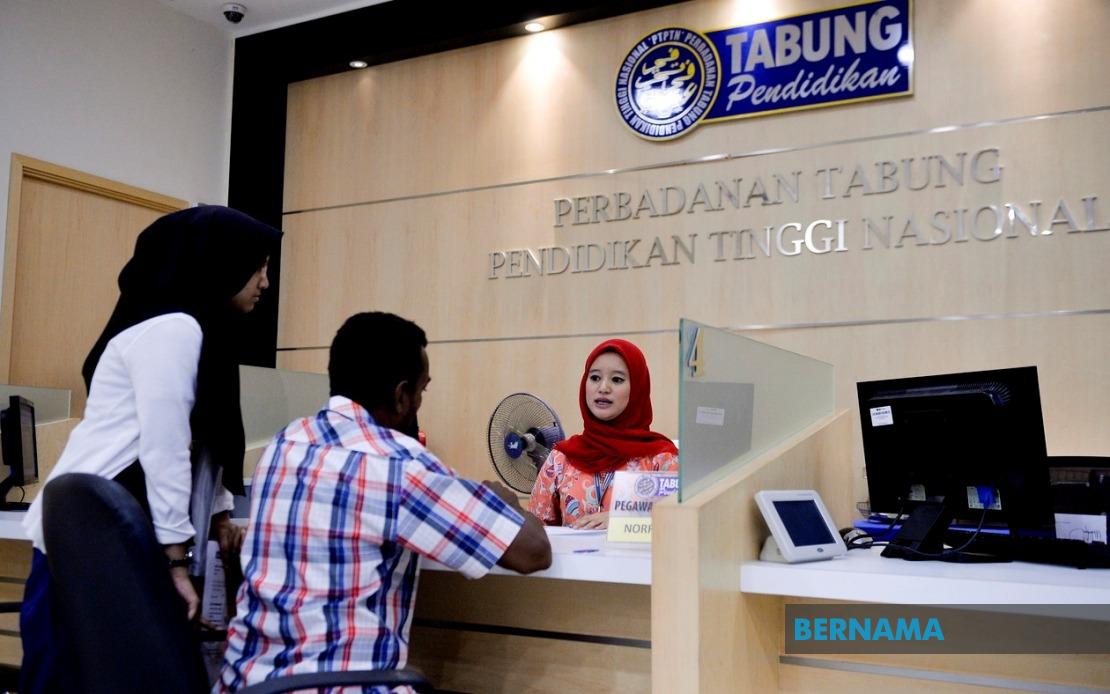
The Women's Wing of Parti Keadilan Rakyat has escalated pressure on the government to overhaul how the National Higher Education Fund Corporation collects outstanding education loans, pushing for the immediate elimination of collection agency fees that disproportionately burden already-struggling former students. PKR Wanita's executive committee member Karen Kasturi outlined a series of structural problems within the current repayment system that she argues are making it harder for genuine borrowers to settle their debts and stabilize their finances.
The 15 per cent debt collection agency fee represents one of the most contentious aspects of the PTPTN machinery, according to Kasturi's statement released on July 15. She emphasized that when borrowers fall behind on payments, they face demands for lump-sum settlements of up to 50 per cent of their remaining balance—a requirement that becomes nearly impossible when coupled with the additional collection fee. This compounding burden, she argued, creates a cruel paradox where individuals actively seeking to repay their loans are financially penalized for doing so through third-party debt collectors rather than working directly with the fund corporation.
Kasturi highlighted a troubling administrative inconsistency within PTPTN's operations that reveals systemic confusion at the implementation level. Borrowers who contact the fund seeking to restructure their repayment schedules are initially directed to engage with PTPTN directly. However, many subsequently discover their accounts have been transferred to external debt collection agencies without clear notification, proper guidance, or meaningful opportunity to negotiate terms directly with the fund. This transfer occurs without transparent explanation of the process, leaving borrowers bewildered and uncertain about their options. The practice effectively closes off what should be a straightforward path to loan restructuring, replacing it with an opaque third-party arrangement that adds costs and removes agency from the borrower.
The broader context of these complaints involves ongoing national debate about the sustainability of Malaysia's higher education financing model. Prime Minister Datuk Seri Anwar Ibrahim recently signaled that the government would explore the possibility of abolishing PTPTN entirely following the issue's emergence during the Johor state election campaign. This potential wholesale restructuring of the system represents a significant policy opening, though its timeline and implementation remain unclear. Kasturi welcomed this higher-level discussion as constructive and necessary for ensuring that Malaysia's education financing framework serves current and future generations fairly and sustainably.
However, Kasturi pressed the government to recognize that wholesale reform, regardless of its merits, cannot address the immediate crisis facing hundreds of thousands of existing borrowers trapped within the current system. While policymakers deliberate long-term solutions, she argued, current borrowers deserve relief from mechanisms that punish rather than facilitate repayment. The emphasis on immediate action reflects recognition that policy discussions at ministerial level typically unfold across months, leaving vulnerable borrowers without practical relief during the interim period. This dual approach—supporting systemic reform while demanding transitional relief—positions PKR Wanita as advocating for both structural justice and emergency support.
Kasturi specifically called for the government and the Ministry of Higher Education to establish a direct negotiation pathway between borrowers and PTPTN, bypassing debt collection intermediaries. This reform would theoretically allow borrowers to work with the original institution to develop customized repayment arrangements reflecting individual circumstances, income levels, and genuine capacity to pay. Such direct engagement could reduce overall costs to borrowers by eliminating collection agency fees, improve outcomes by matching arrangements to actual financial capacity, and restore a sense of institutional partnership rather than adversarial collection.
The proposal to introduce more flexible restructuring mechanisms specifically targets Malaysia's lower and middle-income segments, reflecting recognition that B40 and M40 groups face disproportionate challenges in servicing education debt. Kasturi advocated for restructuring options tailored to these income brackets, acknowledging that uniform repayment schedules fail to reflect the reality that graduate earnings vary substantially across sectors, regions, and fields of study. Targeted assistance would represent a shift toward equity-based rather than standardized approaches within the PTPTN framework.
A particularly significant concern raised involves the Employees Provident Fund dimension of PTPTN repayment. When borrowers utilize EPF savings to settle education loans, collection agency fees and intermediary charges substantially reduce the amount actually directed toward debt repayment. This means that retirees attempting to clear outstanding obligations find their retirement savings eroded not merely by the principal debt, but by administrative fees. Kasturi's demand for protection of EPF transfers from intermediary charges reflects concern that existing social support mechanisms—retirement savings—are being depleted by collection infrastructure designed to extract maximum revenue rather than achieve efficient debt resolution.
Casturi's framing of PTPTN borrowers represents a deliberate rhetorical choice with policy implications. Rather than characterizing these individuals primarily as delinquent debtors requiring enforcement, she positioned them as educated Malaysians who exercised opportunity to pursue higher education and who are now engaging with the difficult work of rebuilding financial stability. This reframing suggests that institutional approach should emphasize partnership and facilitation rather than coercion and punishment. The premise underlying this argument is that borrowers themselves prefer to settle obligations when mechanisms and circumstances permit, making cooperation more effective than enforcement.
Kasturi's statement also implicitly critiques a governance pattern in which borrower voices have been absent from policymaking discussions. She called explicitly for the government to "listen to the voices of existing borrowers," suggesting that current system design reflects institutional convenience rather than borrower input or evidence about what approaches actually encourage repayment. This emphasis on incorporating ground-level experience into policy reform positions PKR Wanita as advocating for participatory governance in higher education financing—a notably different approach from top-down ministerial reform processes.
The timing of these demands reflects the political space created by Prime Minister Anwar's acknowledgment of potential PTPTN abolition. By framing immediate fee reduction and restructuring as stepping stones toward broader reform, PKR Wanita has positioned transitional measures as logical interim steps rather than obstacles to systemic change. This tactical positioning could make concessions on collection agency fees appear reasonable to government as temporary measures pending broader resolution, rather than permanent commitments. Higher Education Minister Datuk Seri Dr Zambry Abd Kadir is expected to engage with these proposals during forthcoming discussions with the Prime Minister.
For Malaysian borrowers carrying PTPTN obligations, the outcome of these policy discussions carries immediate financial consequence. The current system's 15 per cent collection fee represents thousands of ringgit in additional debt for affected individuals. Should the government adopt even partial relief on collection agency charges, substantial numbers of borrowers would experience material improvement in their financial positions. Alternatively, if discussions of systemic abolition or radical restructuring extend across multiple years, the urgency of PKR Wanita's call for immediate transitional relief becomes more acute.
The broader Southeast Asian dimension of Malaysia's PTPTN debate involves questions about how regional economies manage education financing and borrower welfare. Several neighboring countries have experimented with loan forgiveness, income-contingent repayment models, or public-private burden-sharing arrangements. Malaysia's approach—emphasizing full borrower repayment with high collection intensity—represents a more conservative model that prioritizes fund solvency over borrower financial stability. The pressure from PKR Wanita reflects regional and global trends questioning whether such stringent collection frameworks actually optimize educational investment or instead burden graduates in ways that reduce productivity and economic participation.

