Parti Keadilan Rakyat's deputy president Nurul Izzah Anwar will commence an indefinite leave from her party position following the conclusion of the organisation's upcoming National Congress, with no predetermined timeline established for her resumption of duties. The move reflects a growing trend among Malaysian political figures to step back from active roles to advance their academic credentials, a practice that has become increasingly common within the country's major political coalitions as they seek to strengthen their intellectual capital and long-term leadership pipeline.
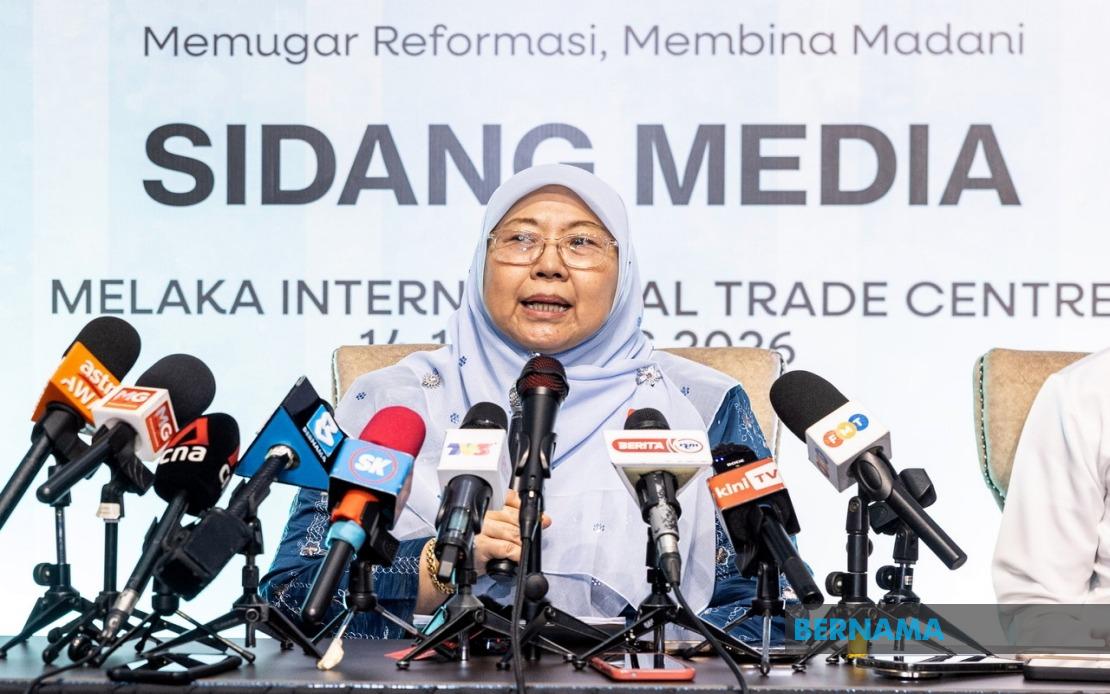
PKR secretary-general Senator Datuk Dr Fuziah Salleh disclosed the arrangement during a press conference held at the Melaka International Trade Centre in Ayer Keroh on August 14. The party has emphasised its flexibility regarding Nurul Izzah's departure, framing it as a mutually agreeable understanding rather than an enforced absence. This approach signals PKR's commitment to supporting the professional development aspirations of its senior members while maintaining organisational continuity during transitional periods.
Notably, Nurul Izzah will remain fully engaged throughout the three-day National Congress proceedings, shouldering her responsibilities for several key events scheduled during the gathering. Her duties include presiding over the Angkatan Muda Keadilan and Wanita PKR sessions, participating in substantive parliamentary-style debates on party matters, and delivering concluding remarks that frame the congress's deliberations. This structured handover period allows her to provide institutional guidance to colleagues while ensuring smooth knowledge transfer before her departure.
The timing of her leave coincides with broader discussions within PKR regarding internal institutional strengthening and party direction. Delegates attending the congress will have the opportunity to raise and debate various motions touching on organisational reform, party strategy, and governance matters. The open forum format reflects PKR's democratic traditions and provides a venue for grassroots membership to voice concerns and proposals regarding party development during a period of leadership transition.
PKR president's keynote address is anticipated to articulate the party's overarching vision, reviewing its historical struggle and establishing its strategic direction for the coming years. This comprehensive policy statement will also outline the party's institutional reform objectives, signalling to membership and the broader public the areas where PKR intends to consolidate its operations and enhance effectiveness. Such speeches typically serve as important political documents that guide member expectations and media analysis of party positioning.
The party's stance on Nurul Izzah's leave reflects changing dynamics within Malaysian political parties, where balancing active political participation against personal advancement and family obligations has become an increasingly nuanced negotiation. Unlike previous generations of Malaysian politicians who often viewed party positions as requiring undivided commitment, contemporary practice allows for more fluid arrangements that accommodate diverse life circumstances. This evolution mirrors patterns in global democracies where professional politicians increasingly combine roles with academic pursuits or private sector involvement.
Nurul Izzah's position as deputy president carries significant symbolic weight within PKR, given her family's prominence in the party's founding and continued leadership. Her temporary withdrawal therefore carries implications beyond immediate operational matters, potentially prompting discussions about succession planning and the development of alternative leadership voices within the party's upper echelons. The extended period of her absence could either facilitate fresh perspectives in decision-making or create a vacuum that requires careful management.
For PKR's broader membership and supporters across Malaysia, the arrangement underscores the party's commitment to enabling personal development among its leadership while maintaining institutional stability. The absence of pressure on Nurul Izzah to return by a specific date suggests confidence in the party's capacity to function effectively across its various departments and committees. This approach also potentially reduces internal tension that might arise from rigid timeline enforcement, fostering goodwill among the senior leadership tier.
The congress proceedings in Melaka will likely generate significant attention from political analysts observing PKR's trajectory within the Pakatan Harapan coalition. Leadership transitions, even temporary ones, often trigger broader questions about party unity, strategic direction, and competitive positioning relative to other coalition partners. The debates on party strengthening motions will provide visible indicators of membership concerns and priorities, offering insights into PKR's perceived strengths and weaknesses as perceived by delegates representing various state wings and demographic groups.
From a Southeast Asian perspective, PKR's handling of this situation reflects broader patterns in opposition party management within the region, where balancing internal democracy with strategic coherence remains an ongoing challenge. Malaysia's complex political landscape, characterised by frequent coalition realignments and shifting electoral dynamics, places particular pressure on parties to retain capable leadership while simultaneously demonstrating adaptability and modernisation. Nurul Izzah's educational pursuits position her within a cohort of ambitious Southeast Asian political figures investing in advanced qualifications to strengthen their credentials in an increasingly competitive policy environment.
The party's characterisation of Nurul Izzah's departure as fundamentally reversible and timing-flexible contrasts with the finality often associated with previous political resignations in Malaysia. This language choice potentially serves multiple functions: it reassures supporters of her continued commitment to PKR, it minimises speculation about deeper factional disputes within the party, and it preserves her profile for future advancement. Whether this arrangement becomes a genuine temporary absence or evolves into a longer-term reconfiguration of her political involvement will likely only become apparent as her studies progress and broader political circumstances shift.

