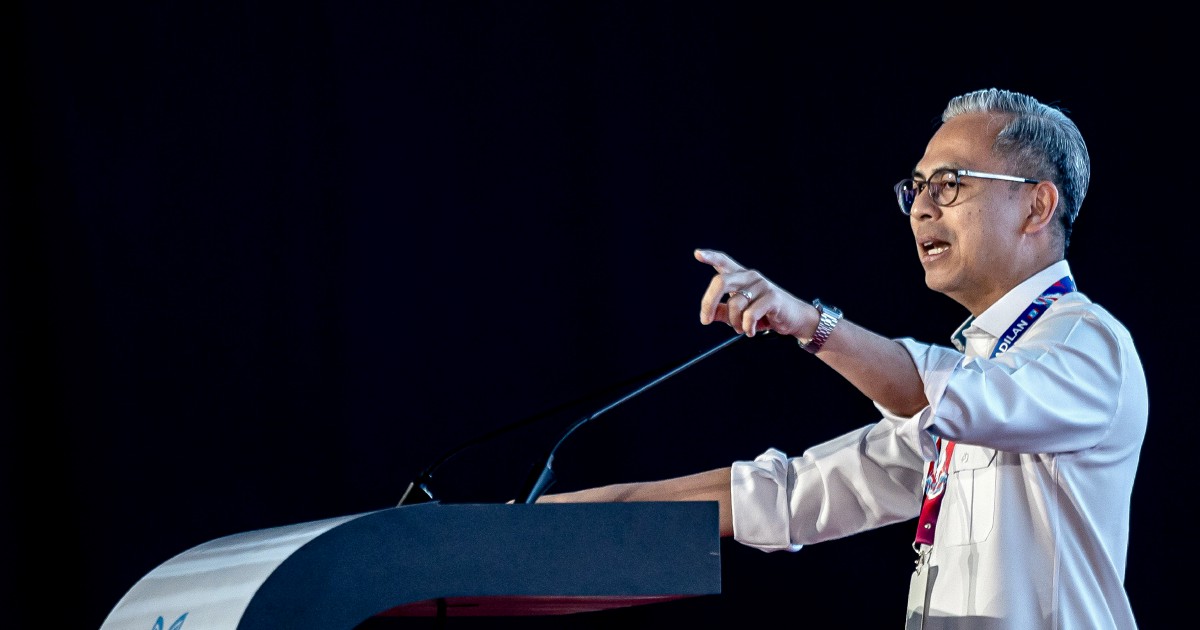
PKR's leadership needs to shift its focus toward the immediate financial challenges confronting everyday Malaysians, rather than banking on strong macroeconomic indicators alone to secure voter support, party information chief Datuk Seri Fahmi Fadzil cautioned during remarks in Ayer Keroh today. The observation underscores a growing recognition within the ruling coalition that headline economic performance figures, whilst positive, may not translate into electoral gains if ordinary households continue to feel the squeeze in their daily lives.
Fahmi's intervention highlights a critical disconnect that political parties across Southeast Asia have grappled with in recent years: the gap between national-level economic statistics and the lived experience of middle and working-class voters. Malaysia's economy has shown resilience with various positive indicators, yet consumer sentiment remains subdued, driven by concerns over cost of living, employment security, and access to affordable housing. This divergence between macro-level prosperity and micro-level household strain represents a genuine challenge for PKR and its coalition partners as they prepare for upcoming electoral contests.
The bread-and-butter issues Fahmi referenced encompass a range of immediate concerns that directly impact voter behaviour. Inflation's effect on household budgets, stagnant wage growth relative to rising expenses, the burden of childcare and education costs, healthcare affordability, and access to transportation all weigh heavily on Malaysian families. These concerns manifest in daily conversations, social media discussions, and community feedback that politicians cannot ignore, regardless of quarterly GDP growth rates or unemployment figures that appear favourable on official reports.
For a coalition government that has implemented various cost-of-living assistance programmes, the challenge lies in ensuring these measures translate into tangible relief that voters perceive and appreciate. Simply announcing that inflation has moderated or that certain sectors are growing robustly fails to address the woman struggling to afford school supplies for her children, the young couple unable to save for a home deposit, or the retiree counting every ringgit of their fixed income. These narratives of struggle resonate far more powerfully in electoral politics than data presented in budget speeches or economic briefings.
PKR's positioning as a reformist party within Malaysia's political landscape makes this message particularly important. The party has traditionally drawn support from urban professionals, younger voters, and those concerned with political accountability and economic justice. If PKR appears disconnected from the material struggles of these constituencies, it risks ceding ground to opposition parties that may frame themselves as more sympathetic to economic pressures, or to other coalition partners seen as more responsive to grassroots concerns.
The party's approach to communicating economic policy must therefore emphasise human impact over technical metrics. When presenting initiatives on minimum wage increases, subsidies for essential goods, tax relief for families with dependents, or support for small businesses, PKR should foreground how these directly improve living standards. Citizens need to understand not merely that policy exists, but how that policy makes a concrete difference in their monthly expenses and financial security.
Fahmi's comments also suggest an internal recognition that messaging strategy requires recalibration. Political communication that relies heavily on macro-economic arguments can appear tone-deaf when delivered to voters experiencing genuine hardship. The challenge intensifies when competing narratives from opposition parties emphasise sympathising with economic suffering, regardless of who bears responsibility for systemic issues. In this environment, PKR must demonstrate empathy alongside economic stewardship, showing it understands voter pain whilst also presenting credible solutions.
Regionally, this dynamic reflects broader patterns across Southeast Asia, where governments face similar pressures to translate economic growth into improved quality of life for citizens. Thailand, Indonesia, and the Philippines have all grappled with the disconnect between favourable headline numbers and voter dissatisfaction. The lesson appears consistent: electoral viability increasingly depends on parties' ability to address material concerns of ordinary people, not simply on macroeconomic performance.
For Malaysia specifically, the stakes extend beyond electoral calculus. Public trust in government institutions and in economic policymaking itself depends partly on citizens' perception that their wellbeing matters to those in power. When economic growth benefits appear concentrated at the top while ordinary families struggle with costs, political legitimacy erodes regardless of GDP figures. PKR's information chief has highlighted a strategic imperative that transcends party politics: demonstrating genuine commitment to alleviating the everyday financial pressures ordinary Malaysians face.
The path forward requires PKR to maintain rigorous focus on developing and communicating policies with tangible household impact, whether through targeted subsidies, wage improvements, housing assistance, or healthcare access. Simultaneously, the party must ensure these initiatives reach and benefit its core constituencies, translating support into measurable relief that voters directly experience. Without this translation from policy announcement to household benefit, even the strongest macroeconomic indicators may prove insufficient to sustain electoral support or public confidence.

