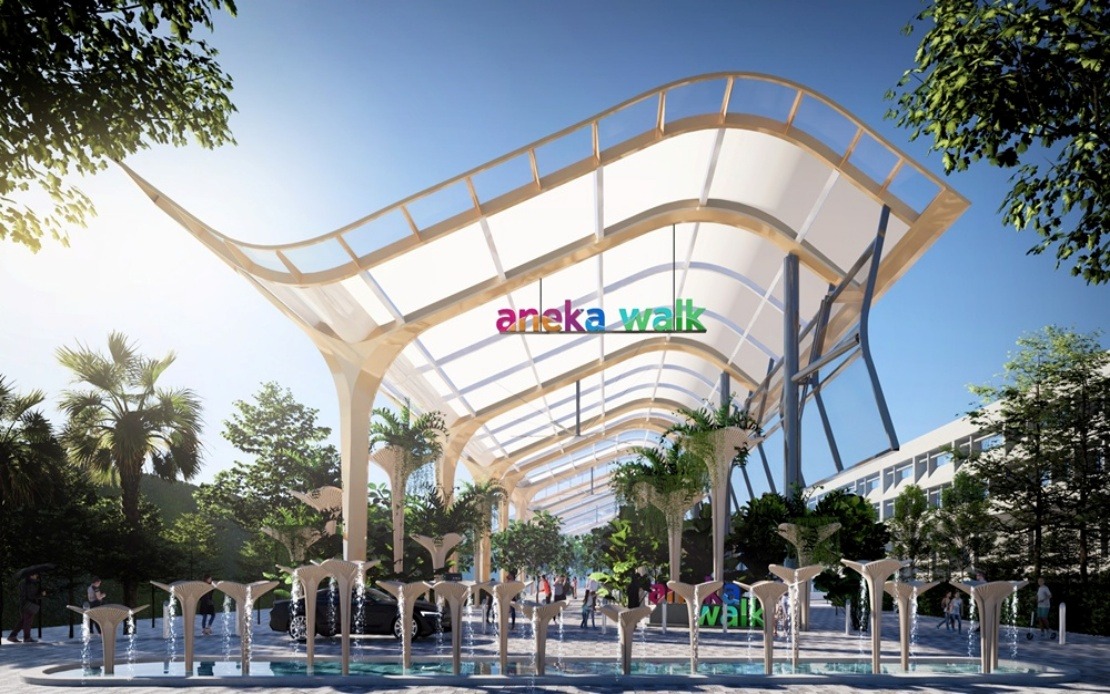
The Selangor State Development Corporation (PKNS) is preparing to turn Aneka Walk into a major gathering point for football enthusiasts this weekend, transforming the Shah Alam shopping destination into a World Cup celebration hub. Running continuously from 5 pm on July 19 through 5 am on July 20, the PKNS Homes Final World Cup 2026 Mega Live event will showcase the tournament's climactic match in a community setting designed to capture the global excitement of the occasion while anchoring it firmly within the state's lifestyle ecosystem.
The 12-hour activation represents more than a simple viewing party. PKNS anticipates attracting approximately 1,000 visitors to Aneka Walk in Seksyen 14, with the actual World Cup final match commencing at 3 am on July 20. This timing, though unconventional for a Malaysian audience, reflects the global scheduling of the tournament and tests the appetite for dedicated night-time entertainment at the venue. The extended hours underscore PKNS's confidence in drawing sustained crowds and maintaining engagement throughout what would normally be quiet retail hours.
Organised in partnership with Selangor FC, the initiative weaves multiple elements into the primary broadcast experience. Beyond the football match, attendees will access e-sports competitions providing alternative competitive entertainment, meet-and-greet opportunities with Selangor FC players offering direct fan engagement with professional athletes, and interactive gaming stations catering to diverse age groups. A tiered food and beverage offering, facilitated through designated stalls, ensures visitors can sustain themselves through the overnight duration. Lucky draw mechanics inject an additional layer of participation incentive, transforming passive viewers into active event participants with potential tangible rewards.
From a strategic perspective, PKNS is leveraging the World Cup's unparalleled global attention—the 2022 final drew over one billion viewers worldwide—as a catalyst for reimagining Aneka Walk's commercial and cultural positioning. The corporation explicitly identifies this event as instrumental to revitalising the space as an active community hub within the broader SA Sentral development initiative. Rather than viewing the screening as an isolated entertainment gesture, PKNS conceptualises it as infrastructure for permanent destination transformation, addressing the challenge of maintaining consistent foot traffic in competitive Malaysian retail environments.
The corporate dimension receives equal emphasis in PKNS's communications. The event creates exhibition and activation opportunities for companies seeking direct consumer engagement in a leisure context where audiences are predisposed toward entertainment and receptivity. Strategic partners can establish branded booth presences, execute promotional campaigns, and build community goodwill simultaneously—a multiplier effect that PKNS positions as creating value beyond the immediate event window. For corporations, the calculus involves reaching concentrated demographics in controlled, brand-friendly environments where consumption patterns are already elevated.
Economic stimulus constitutes another articulated objective. Public footfall driven by the World Cup screening generates incremental revenue for Aneka Walk's established merchant base, potentially extending transaction patterns beyond the event itself as visitors explore broader retail offerings. This knock-on economic activity, however modest on paper, accumulates meaningfully across weekend trading patterns in Malaysian shopping districts where anchor tenants and secondary merchants depend on consistent customer flow. PKNS's framing suggests awareness that lifestyle destinations in urban Malaysia require continuous programming innovation to compete with digital commerce and alternative entertainment channels.
The event's positioning within Shah Alam's broader entertainment ecosystem merits consideration. As Malaysia's administrative capital and a municipality with substantial young professional and family demographics, Shah Alam represents a receptive market for experiential retail activations. The FIFA World Cup's global reach transcends typical local sports enthusiasm, potentially attracting viewers who might otherwise bypass Aneka Walk entirely. This audience expansion capacity explains PKNS's investment in infrastructure and extended operating hours that deviate from standard commercial practice.
The timing carries additional significance for Malaysian football culture. While football commands devoted followings domestically, international tournaments—particularly World Cup finals—occupy a unique cultural position where even casual observers engage substantively. The final match, by definition, concentrates viewing interest on a single event with genuinely global stakes. This concentration differentiates the screening from standard sporting broadcasts and justifies the resource allocation PKNS is committing.
For Selangor FC, the partnership extends brand visibility and community connection beyond traditional match-day contexts. Player meet-and-greets during a globally significant football event position the club as integrated within broader football culture rather than isolated to domestic league competition. This positioning matters for supporter loyalty development and commercial partnership cultivation, as corporations increasingly seek alignment with sports properties demonstrating community engagement sophistication.
The invitation extended to families and friends acknowledges that World Cup viewing functions as social ritual rather than purely individual entertainment consumption. The festive atmosphere PKNS emphasises—combining sports, entertainment, lifestyle and entrepreneurship in single-package description—reflects understanding that contemporary experiential marketing succeeds through multisensory engagement rather than singular activity focus. Attendees will encounter football, competition, dining, shopping, and social interaction simultaneously, maximising dwell time and creating multiple satisfaction vectors.
From a Malaysian reader perspective, the event exemplifies how state-level development corporations navigate competitive commercial environments by creating cultural programming rather than relying exclusively on traditional retail tenancy models. The initiative suggests PKNS recognises that urban lifestyle destinations increasingly function as entertainment and community platforms rather than pure transaction venues. Whether the model succeeds in generating sustained traffic improvement will likely influence similar programming at other PKNS-managed properties, potentially establishing templates for integrated development approaches across Selangor's urban landscape.

