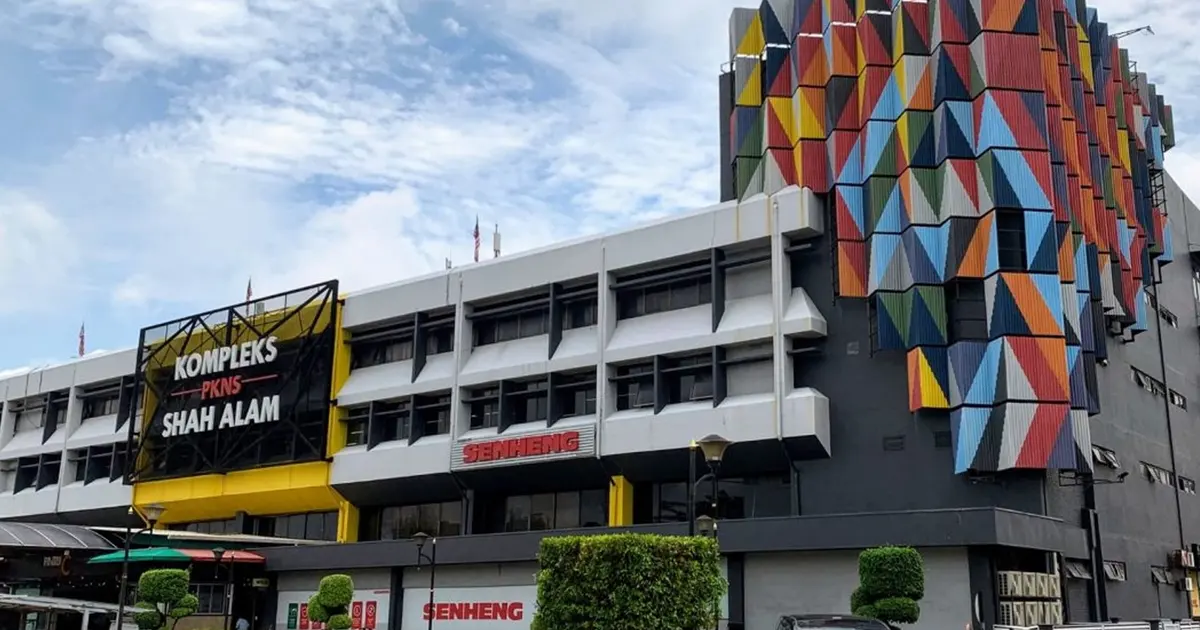
The Selangor State Development Corporation (PKNS) has moved swiftly to distance itself from mounting allegations regarding its financial health, flatly denying claims that the organization is burdened by RM103.7 million in accumulated losses alongside a towering RM6.1 billion debt portfolio. The statutory body, which plays a pivotal role in managing and developing state property and infrastructure projects, characterised the reports as both inaccurate and deliberately misleading, signalling its determination to protect its public standing amid the controversy.
The denial comes at a particularly sensitive moment for PKNS, given the corporation's central importance to Selangor's economic development strategy. As one of Malaysia's most economically vibrant states, Selangor relies heavily on PKNS to execute major infrastructure and property ventures that underpin regional competitiveness. Any significant financial deterioration at the organization would have cascading implications for planned projects, from industrial parks to mixed-use developments, potentially affecting employment prospects and investor confidence across the state.
The timing of these allegations raises questions about their provenance and motivations. In Malaysian politics, disputes over state-level agency finances frequently become entangled with broader electoral calculations and factional rivalries. PKNS, as a prominent government-linked company managing substantial assets and wielding considerable influence over land allocation and development contracts, sits at the intersection of business and politics. The corporation's response suggests an awareness that allegations about financial mismanagement carry not merely technical implications but political weight.
PKNS holds responsibility for administering vast tracts of state land, channelling development initiatives, and managing property portfolios worth billions of ringgit. The organization serves as a vehicle through which the Selangor government realizes urban renewal schemes, affordable housing programmes, and industrial zone developments. Financial instability at this level would reverberate through supply chains, contractor relationships, and the state's broader property market, making the stakes far higher than balance-sheet figures alone.
The specific figures cited in the disputed claims—RM103.7 million in losses and RM6.1 billion in liabilities—warrant scrutiny. Such precise numbers suggest these allegations emerged from documentation or official records rather than speculation, making PKNS's blanket denial somewhat surprising. If the figures carry weight, investors and stakeholders would naturally demand transparency about how such substantial losses accumulated and what remedial measures the corporation has implemented. Conversely, if the claims prove baseless, PKNS faces the challenge of conclusively demonstrating financial soundness through independently verified disclosures.
The corporation's characterization of the claims as misleading implies intentional distortion rather than mere accounting disagreement. This stronger language suggests PKNS may possess documentation or audited statements that directly contradict the loss and debt figures. Financial institutions, auditors, and government oversight bodies would typically flag such serious concerns if they existed, yet no corroborating reports from these quarters have emerged publicly, lending some credibility to PKNS's position.
For Selangor residents and Malaysian property investors, clarity becomes essential. Thousands of individuals hold stakes in PKNS-developed residential projects, industrial plots, and commercial properties. Uncertainties about the corporation's financial viability could spill over into market sentiment, affecting property valuations and consumer confidence in future PKNS-led initiatives. The state government's economic growth targets, which depend substantially on successful execution of PKNS-managed schemes, could face headwinds if institutional trust erodes.
The corporation's denial, while emphatic, leaves unresolved the substantive question of how such serious allegations arose in the first place. Democratic accountability requires more than categorical rejections; it demands that PKNS provide context about its financial trajectory, debt structure, revenue generation, and any operational challenges it confronts. Transparency mechanisms—whether through independent audits, parliamentary questions, or detailed public disclosures—would serve both the corporation's interests and public confidence.
Sectorally, this dispute carries implications beyond Selangor's borders. Other state development corporations across Malaysia face similar pressures to balance financial sustainability with developmental mandates. If PKNS, as arguably the most sophisticated and well-capitalized among these entities, struggles with debt management, it raises systemic questions about whether such corporations adequately price infrastructure investments, leverage public assets efficiently, or operate under business models suited to contemporary market conditions.
The resolution of this controversy will likely depend on whether external parties—government auditors, financial regulators, or investigative media—pursue independent verification. PKNS's denial establishes its opening position, but stakeholders will reasonably expect substantiation. The corporation might defuse the controversy by proactively publishing comprehensive financial statements, commissioning independent audits, or inviting legislative scrutiny, demonstrating confidence in its actual financial position.
Moreover, the broader Selangor political environment shapes this dispute's trajectory. The state has experienced significant governance transitions in recent years, and perceptions of institutional competence carry electoral consequences. PKNS's management and financial health become proxies in wider conversations about state administration effectiveness. Whether the corporation can convincingly overcome these allegations will influence public assessment of the current administration's stewardship of public resources and major development institutions.

