The Philippines will bring together ASEAN's foreign ministers with Myanmar's delegation for an informal consultation in Bangkok this weekend, marking a significant diplomatic moment for the regional bloc. The meeting, scheduled for July 12 in the Thai capital, represents the first in-person gathering between Myanmar's leadership and ASEAN's collective foreign ministry representatives since the military coup that swept Myanmar in February 2021. The Philippines' Department of Foreign Affairs confirmed the development on Friday, underscoring Manila's commitment to managing one of Southeast Asia's most delicate political crises during its rotating ASEAN chairmanship.
Myanmar will send its Foreign Minister U Tin Maung Swe to participate in the Bangkok discussions. The choice of venue and the decision to convene this particular gathering reflect the careful diplomatic choreography required to keep Myanmar engaged within ASEAN structures while addressing the deteriorating humanitarian and security situation following the coup. The informal nature of the meeting suggests both flexibility in approach and acknowledgment that direct dialogue remains challenging given Myanmar's junta-led government and the international isolation it faces.
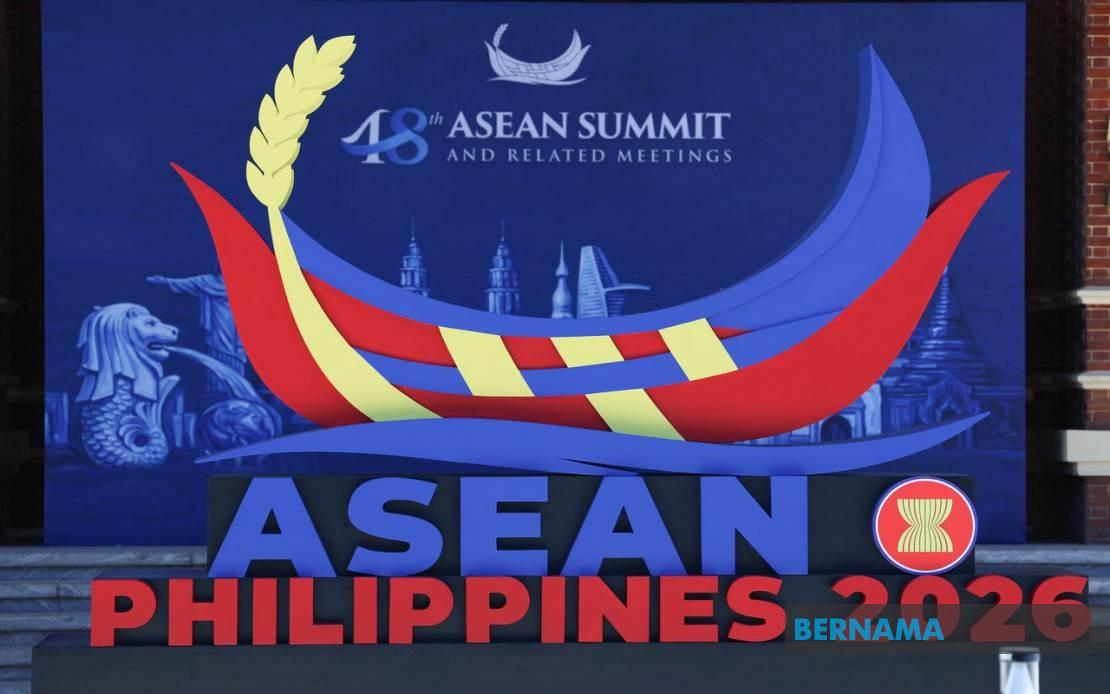
The timing of this consultation carries weight beyond the immediate agenda. It follows directives issued during ASEAN's 48th Summit in Cebu, where regional leaders tasked their foreign ministers with maintaining constructive yet principled engagement with Myanmar. This instruction encapsulates ASEAN's persistent diplomatic balancing act: sustaining dialogue with a member state whose actions have drawn widespread international condemnation while adhering to the bloc's founding principle of non-interference. The Philippines' decision to facilitate this meeting reflects its role as coordinator of regional dialogue, a responsibility that comes with both opportunity and complications.
The centrepiece of the Bangkok talks will be a comprehensive briefing from U Tin Maung Swe regarding the current situation inside Myanmar. This opportunity for ASEAN's foreign ministers to hear directly from Myanmar's government representative is significant, as it allows space for the junta to articulate its perspective to regional peers without the formal constraints of a full ASEAN summit. The DFA statement emphasised that this listening exercise forms the foundation for constructive engagement, suggesting ASEAN intends to maintain channels of communication even as global pressure mounts on Myanmar's military leadership.
Beyond receiving Myanmar's account of recent developments, the foreign ministers plan to engage in substantive dialogue about the path forward for Myanmar within ASEAN. Discussions will centre on practical mechanisms through which Myanmar might address longstanding concerns about violence, particularly the military's crackdown on anti-coup protesters and ethnic armed organisations. The emphasis on cessation of violence reflects international and regional alarm at the humanitarian toll of Myanmar's civil disobedience movement and the armed conflict that has intensified since 2021.
The Five-Point Consensus, repeatedly referenced in the DFA's statement, forms the ethical and diplomatic framework guiding these conversations. This ASEAN agreement, established shortly after the coup, calls for an end to violence, constructive dialogue among Myanmar's stakeholders, provision of humanitarian assistance, and ASEAN's mediation efforts. The repeated invocation of this framework suggests its continued relevance to ASEAN's Myanmar strategy, even as the situation has evolved and the junta has consolidated power. For readers across Southeast Asia, understanding this consensus is essential to grasping why ASEAN has not suspended Myanmar or taken more punitive action despite global criticism.
The Bangkok meeting also carries implications for ASEAN's credibility and cohesion. Member states have expressed varying degrees of frustration with Myanmar's limited implementation of the Five-Point Consensus, yet ASEAN's consensus-based decision-making and non-interference doctrine have constrained more forceful action. This informal session provides an opportunity to reinvigorate dialogue without the formal procedures that might force a showdown or trigger Myanmar's defensive reactions. For Southeast Asian countries with significant Myanmar populations or security interests, this sustained engagement represents a preference for gradual pressure over confrontation.
Myanmar's continued participation in ASEAN processes, despite the coup, reflects the bloc's strategic calculation that exclusion would be counterproductive. Myanmar's geographic position, its role in regional supply chains, and its historical place within ASEAN make maintaining some form of engagement pragmatic, even if symbolically fraught. The Philippines' willingness to host this meeting suggests a commitment to ASEAN's principle of keeping all members at the table, a stance that resonates throughout the region's diplomatic establishment, though it attracts criticism from democracy advocates and international human rights organisations.
The foreign ministers' anticipated exchange of views on ASEAN's engagement strategy signals a potential recalibration of approach. Whether this amounts to renewed momentum toward mediation or a continuation of steady-state dialogue remains unclear from the official statements. What is certain is that for Malaysia and other ASEAN members, the outcome of these Bangkok discussions will influence the bloc's ability to shape outcomes in Myanmar and, by extension, its credibility in addressing regional crises more broadly.
The informal format chosen for this meeting deserves particular attention. By avoiding the rigidity of formal ASEAN procedures, the Philippines has created space for candid exchanges without the procedural complications that plague larger summits. This flexibility allows foreign ministers to explore proposals and test positions in a more exploratory manner, potentially laying groundwork for future initiatives. For Malaysian observers of regional diplomacy, this approach exemplifies pragmatic ASEAN engagement, balancing principled positions with flexibility necessitated by Myanmar's intransigence.
As the Philippines steers this consultative process through July and beyond, the true measure of success will emerge gradually. Whether these informal discussions yield tangible improvements in Myanmar's conduct, humanitarian access, or political trajectory remains to be seen. For Southeast Asia's broader regional order, however, the July 12 meeting represents a commitment to dialogue persistence despite profound challenges—a commitment that will be tested repeatedly in the months ahead.

