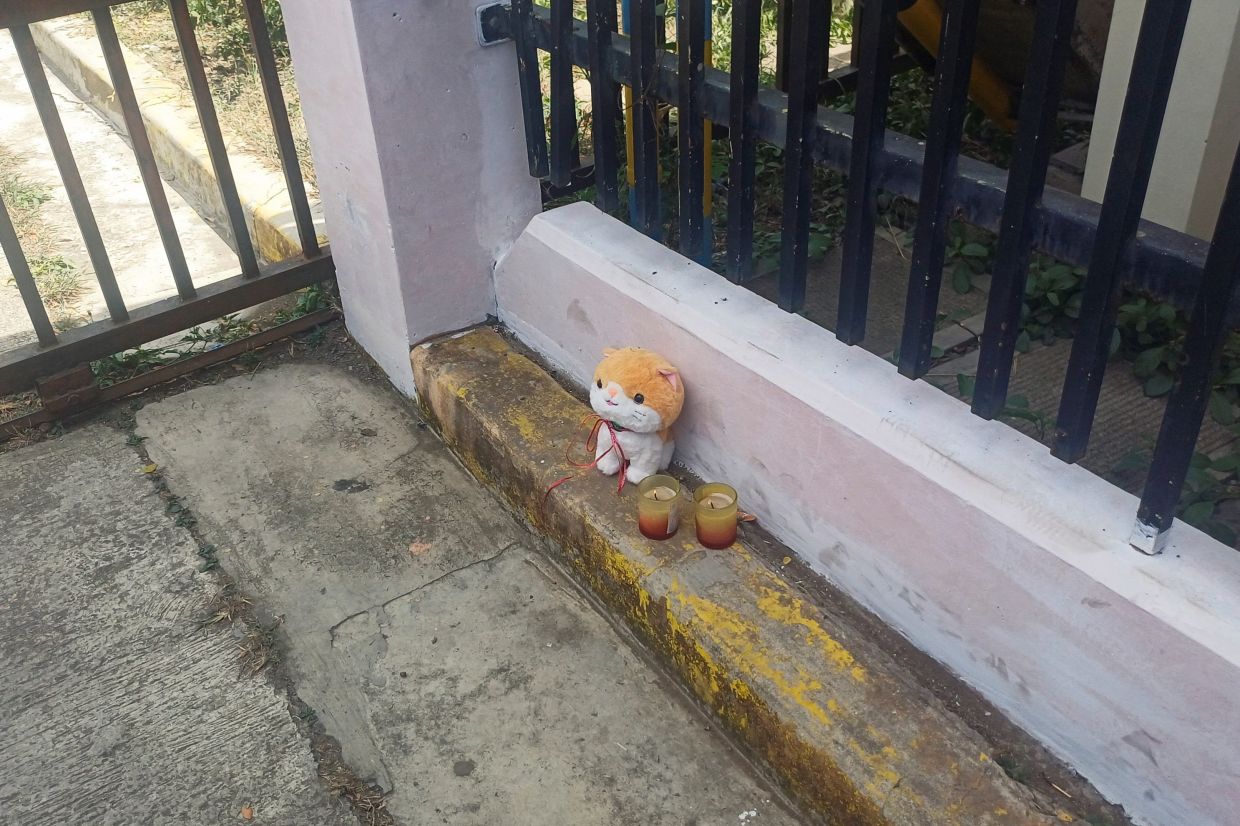
Philippine authorities are confronting difficult questions about youth violence prevention following a school shooting in Zamboanga City that claimed two lives, including the gunman himself. The incident has sparked urgent discussions among policymakers about how to address the intersection of social media access, firearm safety, and the psychological warning signs that educators may overlook in seemingly well-adjusted students.
The shooting occurred on August 18 when a Grade 8 student opened fire on campus before taking his own life on an upper floor. What distinguishes this tragedy from typical school violence cases is the perpetrator's use of a body-worn camera to livestream the attack in real time, a detail that has fundamentally altered the conversation around prevention strategies. Rather than focusing solely on physical security measures, lawmakers and education officials are now examining the role digital platforms play in amplifying violent incidents and potentially desensitising young viewers to such events.
Education Secretary Sonny Angara has expressed particular concern about the gap between academic performance and behavioural assessment. During a visit to the Ateneo de Zamboanga University, he reflected on the troubling contradiction: teachers had identified the student as academically accomplished with no apparent disciplinary issues, yet this high-functioning presentation masked whatever internal distress or grievances motivated the attack. This observation underscores a critical vulnerability in school safety frameworks that rely on traditional indicators of concern. A student excelling academically and maintaining good classroom conduct may still harbour serious psychological problems or access to means of violence that remain entirely invisible to educators.
Angara emphasised that conventional security infrastructure—fencing, closed-circuit television, metal detectors—while necessary, cannot substitute for human connection and community vigilance. He called for a cultural shift within schools toward proactive outreach and relationship-building with students, suggesting that seemingly minor interventions or conversations could prevent tragedy. This perspective reflects growing recognition that school safety depends less on hardening facilities and more on fostering environments where struggling young people feel safe disclosing their challenges to trusted adults.
The livestreaming element has prompted Senate President Sherwin Gatchalian to champion legislative action restricting social media access for children under 16. Gatchalian's position reflects concern that unrestricted social media use by minors creates multiple pathways to harm: it allows troubled youth to broadcast violence in real time, exposes peers to graphic content that may normalise aggression, and enables rapid spread of unverified information that compounds community panic and parental anxiety. This argument parallels existing age-restriction frameworks for entertainment media, extending a proven regulatory model into the digital realm.
Parallel to the social media discussion, Interior Secretary Jonvic Remulla has directed attention toward inadequate firearm regulations. Police investigations revealed that the student accessed a .40-caliber pistol issued by the Bureau of Customs—suggesting the weapon came from his father, a government official. Remulla has urged lawmakers to substantially increase penalties for gun owners who fail to secure weapons against unauthorised access by minors, and to comprehensively review legislation governing loose or unsecured firearms. This represents a recognition that stricter gun laws alone are insufficient; the enforcement framework must include meaningful consequences for negligent storage.
The incident marks the second school shooting in the Philippines within two months, a pattern that has alarmed policymakers and educators despite such incidents remaining relatively uncommon in Southeast Asian contexts. This clustering effect may indicate either a genuine increase in youth violence or heightened media attention following the first incident, but either interpretation demands policy responses. The two additional students wounded in the attack serve as reminders that the death toll represents only the most severe manifestation of school violence; psychological trauma and injury extend far beyond those physically harmed.
Investigators are still reconstructing the sequence of events leading to the shooting, including the student's motive, examination of his electronic devices, and clarification of exactly how he obtained access to his father's firearms. These investigative details matter profoundly because they may reveal whether the attack resulted from acute crisis, premeditated planning, exposure to violent online content, or a combination of factors. Understanding causation is essential for designing targeted prevention measures rather than adopting blanket policies that address symptoms without addressing root causes.
Parent reactions illustrate the collateral damage inflicted by sensationalised media coverage and social media's amplification mechanisms. Claire, a mother whose daughter studies at a sister campus of Ateneo de Zamboanga, described how graphic images, unverified videos, and conflicting reports circulated rapidly through social platforms and messaging groups, creating a fog of confusion and heightened anxiety among families even tangentially connected to the school. She made an astute observation: just as film and television ratings provide age-appropriate guidance on entertainment content, digital platforms require comparable content-rating systems and parental controls to prevent minors from accessing disturbing material.
The Philippine debate occurring in the aftermath of this shooting carries particular resonance for Southeast Asia more broadly. The region's rapid digital adoption among youth, combined with varying levels of regulatory infrastructure governing social media platforms and firearm ownership, creates vulnerability to similar tragedies. Malaysia and other neighbouring nations watch closely as the Philippines experiments with policy responses, understanding that whatever approaches prove effective or ineffective there may offer lessons for their own prevention frameworks.
The challenge confronting Philippine policymakers is calibrating responses that meaningfully reduce youth access to both lethal weapons and content that glorifies violence, while respecting civil liberties and avoiding counterproductive restrictions that treat symptoms rather than underlying causes. This requires coordination across education, law enforcement, telecommunications regulation, and mental health sectors—a complex institutional coordination that many developing democracies struggle to achieve effectively.

