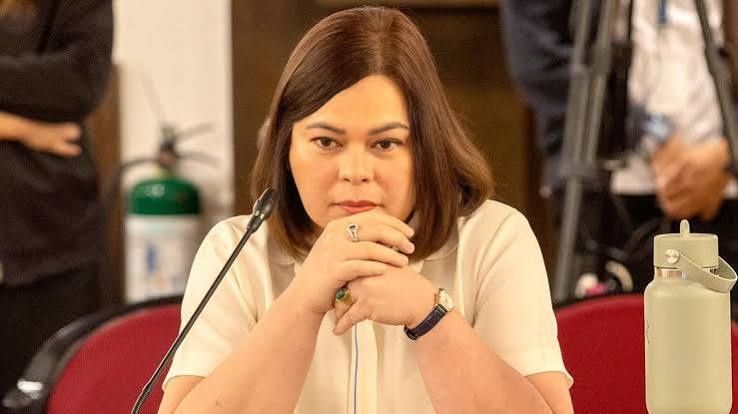
The Philippines is entering a politically turbulent period as the impeachment trial of Vice President Sara Duterte prepares to commence, with authorities taking extensive security precautions to ensure the proceedings unfold without incident. The Philippine National Police announced plans to position approximately 6,000 officers throughout Manila's Senate district and surrounding precincts, marking one of the most heavily secured legislative events in recent Philippine history. This substantial police deployment underscores both the political sensitivity of the case and official concerns about potential public disruptions as the nation's second-highest elected official faces removal from office.
The trial officially begins on Monday following a directive from the Senate impeachment court issued on Thursday, which instructed the vice president to present herself before the tribunal either in person or through legal representation. This requirement represents a critical juncture in Philippine constitutional law, as it tests the limits of executive privilege and the impeachment process itself. The appearance requirement signals that the Senate intends to conduct a substantive trial rather than accept written submissions alone, a procedural choice that elevates the trial's public and political dimensions considerably.
Transportation disruptions will accompany the heightened security presence, as local authorities in Pasay City—where the Senate complex is situated within Metro Manila—will implement temporary road closures beginning Monday. These traffic restrictions reflect the anticipated congestion from both security operations and what officials expect to be significant public interest and media presence during the trial's opening phase. Commuters and businesses in the area have been advised to plan alternative routes, as the Senate proceedings could create localized gridlock for an extended period.
The impeachment case against Duterte carries profound constitutional consequences that extend beyond her individual political fate. Philippine law stipulates that conviction requires approval from more than two-thirds of all senators, a supermajority threshold that reflects the framers' intention to reserve impeachment for the gravest offences. Should this threshold be met and she be convicted, Duterte would not only lose her office but face a lifetime bar from holding any public position in the Philippines—a permanent political exile that would effectively end her career in electoral politics. This extreme consequence explains the intense focus on Senate voting patterns and coalition dynamics as the trial unfolds.
Duterte's political trajectory adds layered complexity to the proceedings. The daughter of former President Rodrigo Duterte, she enters the trial as the sitting vice president but also as an announced candidate for the 2028 presidential election, having declared her candidacy in February. This timing creates ambiguity about whether the impeachment represents a genuine constitutional remedy or a political maneuver by opposition forces seeking to eliminate a competitive presidential contender before the next election cycle. The dual nature of her position—as both sitting vice president facing removal and future presidential hopeful—has polarized Philippine political opinion and mobilized supporters and opponents alike.
The Office of the Vice President received positive news on the parallel front of fiscal accountability when the Commission on Audit issued an unmodified opinion regarding its financial statements for 2025. The audit report confirmed that the vice president's office complied with applicable financial reporting standards and presented its financial records fairly, indicating no irregularities in fund management or budgetary practices. However, this clean audit opinion remains legally and procedurally distinct from the impeachment charges, which address conduct and fitness for office rather than accounting compliance. The timing of the audit release, coming just before trial commencement, may provide Duterte's defence team with evidence of administrative competence in office.
For Malaysian and Southeast Asian observers, the Philippine impeachment trial illuminates the fragility of vice-presidential institutions in the region. Unlike numerous Westminster-influenced Asian democracies where the vice-presidency carries minimal independent political power, the Philippine system grants the vice president substantial autonomy and electoral legitimacy, having been voted into office through a separate national ballot. This constitutional design creates scenarios where the presidency and vice-presidency may be held by political opponents, generating institutional tensions absent in systems with unified executive tickets. The current trial reveals how these structural features can enable rapid political reversals and constitutional crises.
The case also reflects broader Southeast Asian patterns of impeachment and removal proceedings targeting senior officials, a phenomenon that has accelerated across the region in recent years. Countries from Thailand to Indonesia and Malaysia have witnessed high-level impeachments and constitutional struggles that reshape political landscapes. The Philippines trial therefore serves as a significant data point for understanding how democratic institutions respond to challenges from sitting executives and whether legal mechanisms can contain politically-motivated constitutional conflicts. The outcome will influence how regional legal scholars assess the durability of impeachment protections across Southeast Asia's democracies.
Security planners have clearly anticipated the possibility of mobilization by both Duterte supporters and opponents, given the scale of the police deployment and the infrastructure modifications being implemented. Large-scale impeachment trials in Asia have occasionally triggered public demonstrations, constitutional crises within legislatures, and even violence. The 6,000-officer security presence suggests Philippine authorities are determined to prevent such scenarios and maintain institutional stability throughout the proceedings. This preemptive approach reflects lessons learned from regional impeachment trials that spiralled into broader civic and constitutional confrontations.
The Senate impeachment court now faces the responsibility of conducting a trial that satisfies both strict constitutional requirements and public expectations for fairness and transparency. The court's composition, voting patterns, and decision-making procedures will come under intense scrutiny as senators balance their institutional roles as judges in this case against their broader political alignments and future electoral interests. How individual senators navigate this conflict will likely shape not only Duterte's fate but also the institutional credibility of the impeachment process itself for future generations of Philippine politicians facing similar constitutional vulnerabilities.

