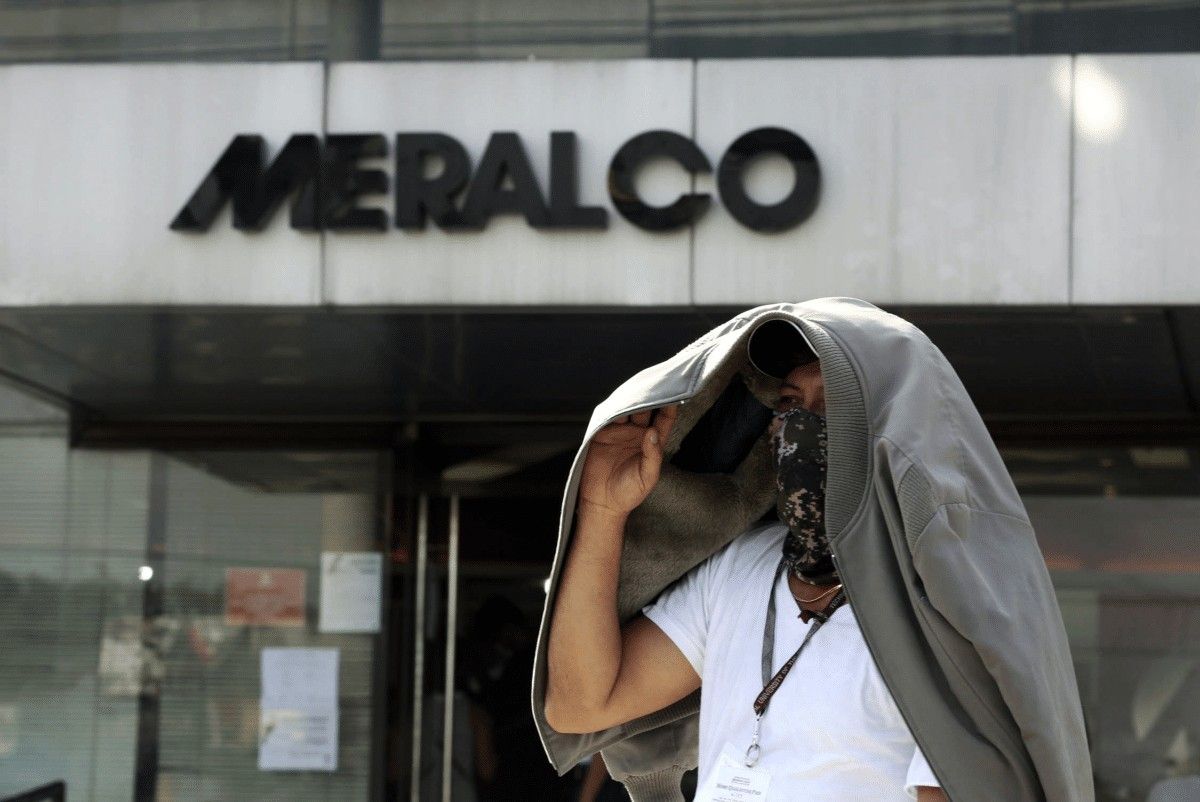
The Philippines' Energy Regulatory Commission (ERC) has ordered Manila Electric Co. (Meralco) to return ₱9.5 billion to its consumer base, marking a significant regulatory intervention in one of Southeast Asia's most heavily watched power sector disputes. The decision, issued on July 31, requires the nation's dominant electricity distributor to process the refund as a discrete credit line on individual consumer bills over a six-month period, beginning from the next available billing cycle once the ruling takes formal effect.
The refund quantum translates to ₱0.3449 per kilowatt-hour (kWh)—a modest but meaningful reduction in what remains one of the region's highest electricity tariffs. For an average household consuming 200 kWh monthly, this adjustment represents a tangible monthly saving, though energy specialists emphasise that the underlying structural challenges in the Philippine power sector remain unresolved. The ERC's chair and chief executive officer, Francis Saturnino Juan, indicated that implementation would commence immediately upon formal notice, positioning this as among the fastest-tracked consumer relief measures in recent regulatory memory.
The refund addresses what regulators term an "over-recovery" by Meralco during what is known in utility regulation as a "lapsed period." This technical term describes the interval between consecutive rate adjustment cycles, during which utilities continue charging consumers using previously-approved tariffs that may no longer align with actual operating costs. In Meralco's case, the lapsed period spanned the entirety of 2025, meaning consumers paid rates that had not been recalibrated despite potentially significant shifts in the distributor's expenses, generation costs, and capital requirements.
The regulatory mechanism underpinning this decision operates through a formal rate reset framework, wherein utilities such as Meralco must periodically file comprehensive submissions to the ERC detailing their capital expenditure plans, operational spending projections, and proposed infrastructure investments—typically covering five-year horizons unless the regulator extends the cycle. These filings form the evidentiary foundation upon which adjusted tariffs are calculated and approved. The ERC's decision to include interest costs in the refund calculation reflects the regulator's view that Meralco should not benefit financially from holding consumer payments beyond what justified rates would have been.
For Malaysian observers of regional energy markets, the Meralco case illustrates both the opportunities and challenges inherent in electricity regulation across Southeast Asia. While the Philippine regulatory framework contains mechanisms for retrospective consumer protection—including the ability to audit distributor costs and mandate refunds—implementation often lags significantly behind the identification of overcharges. The nearly year-long delay in processing what the ERC itself acknowledged as improper cost recovery suggests that even well-intentioned regulatory decisions face practical execution obstacles that ultimately limit their consumer benefit.
Meralco's position in the Philippine power landscape remains strategically dominant despite this setback. The distributor controls the distribution network serving Metro Manila and nearby provinces, effectively holding a monopoly over the final-mile delivery of electricity to millions of households and businesses. This structural advantage insulates the company from competitive pressure that might otherwise constrain pricing behaviour, making regulatory oversight the primary mechanism through which consumer interests can be protected. The ERC's refund order thus represents a partial reassertion of regulatory authority in a relationship where the utility's incumbent position typically grants it substantial negotiating leverage.
The over-recovery phenomenon that prompted the refund warrants particular attention given its frequency across the region. Utilities argue that lapsed periods create genuine uncertainty regarding cost recovery, potentially discouraging capital investment. Regulators, conversely, note that extended lapse periods effectively allow utilities to collect windfall profits when actual costs decline below approved rate bases. The Philippines' experience suggests that shorter regulatory cycles—perhaps annual rather than multi-year assessments—might better balance these competing concerns, though such changes face persistent implementation challenges.
For Philippines-based households and small businesses already struggling with electricity costs that substantially exceed those in comparable regional economies, the ₱9.5 billion refund provides limited relief. Average residential tariffs in Metro Manila remain approximately 40 percent higher than equivalents in Malaysia or Indonesia, driven by factors including higher distribution losses, legacy generation costs, and the capital-intensive nature of serving dispersed island communities. A single refund, however substantial in nominal terms, does not address these underlying cost drivers or Meralco's structural pricing advantages.
The ERC decision also carries implications for investor perceptions of Philippine utility regulation. International and domestic investors evaluating prospective power sector commitments necessarily assess regulatory risk—the possibility that implemented tariffs might later be substantially revised downward. The Meralco refund could reinforce concerns that approved rates lack permanence, potentially dampening enthusiasm for power infrastructure projects that depend on stable, foreseeable revenues. Conversely, consumer advocates argue that protecting utility margins at the expense of affordability creates its own form of market distortion that undermines economic efficiency.
Looking ahead, the critical question concerns whether the ERC's refund decision will prompt systemic changes to how Meralco's regulatory relationship operates, or whether it represents an isolated corrective action unlikely to prevent recurrence. The regulator's explicit inclusion of interest costs in the refund calculation signals disapproval of the over-recovery mechanism itself, yet without modifications to the rate-setting framework, similar situations remain entirely plausible. Philippine policymakers continue grappling with these tensions as they attempt to attract electricity investment while ensuring that tariffs remain accessible to a population where energy poverty remains widespread.

