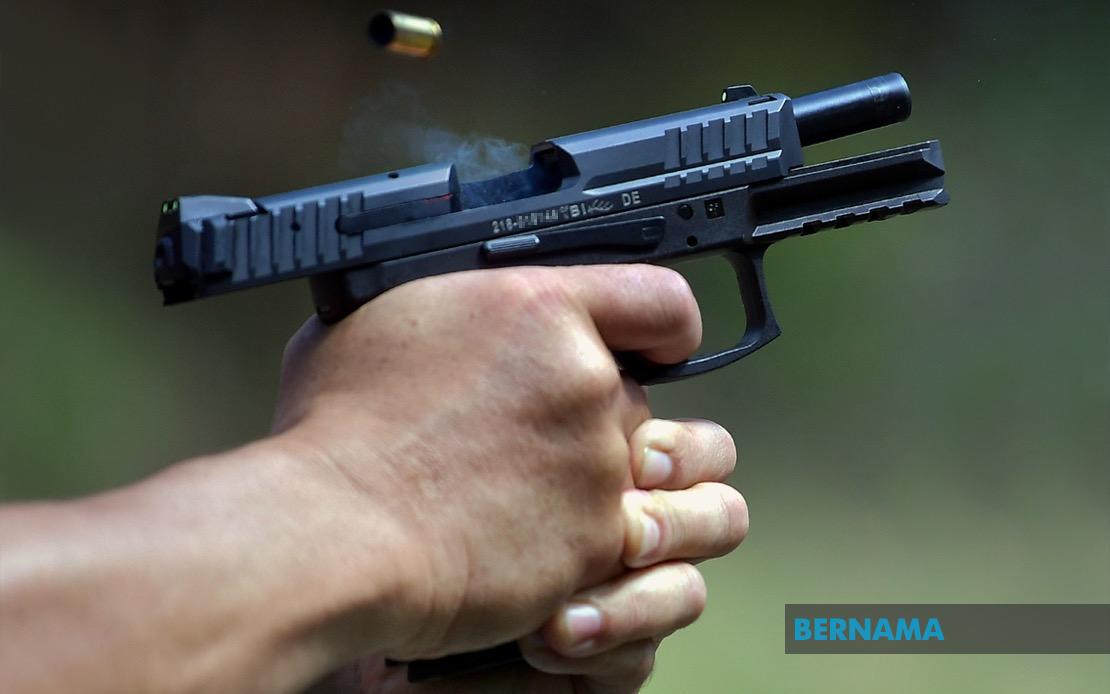
A political commentator and content creator was shot dead in Caloocan City, north of Manila, during a Friday morning attack that also left her partner injured. Police confirmed that the victim, known online as Mima Alicia and identified as Alicia Lipata by local media, died from a gunshot wound to the head. The incident has raised fresh concerns about safety for online personalities who engage in political discourse in the Philippines, a region where media-related violence remains a persistent challenge.
The attack unfolded when unidentified gunmen, who reportedly arrived on motorcycles, opened fire on the pair without warning. Lipata's partner sustained multiple gunshot wounds and was transported to a hospital where medical staff treated the injuries. The assailants fled the scene immediately after the shooting, leaving behind limited forensic evidence at the initial stages of the investigation. Eyewitness accounts remain crucial to the ongoing probe, as authorities piece together details of the violent incident.
The Philippine National Police has established a dedicated task force to pursue the investigation, tasked with identifying the perpetrators and uncovering the motive behind the killing. At this stage, authorities have not publicly disclosed specific leads, though the focus remains on tracking the suspects who used motorcycles as their means of escape. The formation of a special investigation unit signals the seriousness with which the police are treating the case, particularly given the victim's public profile as a social media personality.
Lipata had built a following through her vlogging activities, with her content primarily centred on political commentary and social discourse. In the Philippine context, where social media plays an outsized role in shaping public opinion and political messaging, content creators who tackle divisive or controversial topics often attract attention from various quarters. The nature of her online presence makes her killing a significant incident within the broader conversation about the risks faced by political voices in the country.
The shooting occurs against a backdrop of documented concerns about extrajudicial killings and violence targeting journalists and media practitioners in the Philippines. International press freedom organisations have repeatedly flagged the country as an area where media workers face elevated risks. While Lipata operated as an independent vlogger rather than as part of a formal news organisation, her role in disseminating political content to the public positioned her within the broader media ecosystem.
The attack highlights the vulnerability of solo content creators who often lack the institutional protection and security measures available to larger media outlets. Independent vloggers typically work with minimal security apparatus, making them potentially easier targets than journalists working for established news organisations. This structural disadvantage has become increasingly relevant as social media platforms have democratised content creation, enabling individuals to reach mass audiences without traditional media infrastructure.
For Malaysian observers, the incident underscores regional patterns of political violence and the particular vulnerabilities faced by those who engage in public commentary. The Southeast Asian region has witnessed similar cases of online personalities facing threats or violence related to their political messaging. Malaysia's own media landscape, while governed by different legal and security frameworks, shares certain characteristics with the Philippines in terms of the intersection between political discourse and public safety.
The investigation will likely examine whether the killing stemmed from personal grievances, political motivations, or organised threats against political commentators more broadly. Police investigators must determine whether the attack was a targeted assassination or a random act of violence. The specificity of the attack—the apparent coordination involving multiple gunmen and motorcycles—suggests a degree of planning that could indicate either a personal vendetta or a more systematic threat.
The case also raises questions about the role of social media platforms in verifying user identity and protecting creators who engage in politically sensitive content. While platforms such as Facebook and YouTube have implemented various safety measures, the real-world security of content creators remains largely outside their purview. Lipata's death illustrates the gap between digital protection mechanisms and physical safety in the offline world.
As the investigation progresses, the Philippine authorities will face pressure to deliver tangible results and demonstrate that they are taking seriously the safety of political voices. Public confidence in the police response will partially determine whether other vloggers and independent commentators feel emboldened or deterred from continuing their work. The outcome of this case could have ripple effects across the wider community of online political commentators throughout the Philippines and neighbouring countries.

